"Movement is the key to healing and to freedom from pain"

Roman Kibler Osteopath D.O
in Kiryat Tivon

I am Roman Kibler‚ a certified osteopath D.O.‚ and I have already helped hundreds of patients get back to their routine and to everyday function without pain. I treat musculoskeletal pain‚ sports injuries‚ back and neck pain‚ herniated discs‚ orthopaedic and neurological problems‚ joint pain and women during pregnancy. My treatment is based on a personal approach‚ combining gentle techniques that improve mobility and balance in the body. I see patients at my clinic in Kiryat Tivon.

For more details and to get in touch:

About Me

I am Roman Kibler‚ a certified osteopath with a D.O. degree from the academic college‚ including 1,000 hours of practice at the college's training clinic. I offer holistic‚ in-depth treatment to relieve pain and improve quality of life.

I have been treating patients since 2017‚ and since 2022 also as an osteopath at Maccabi Tivi. I focus on acute and chronic pain‚ athletes and pregnant women. I believe in the body's natural power to heal‚ and I help my patients reach physical balance and renewal through the musculoskeletal system.

The personal treatment process starts with a thorough assessment and your history‚ including posture tests and palpation of the tissues. After that I carry out hands-on treatment with gentle techniques adapted to each patient.

The emphasis is on improving the flow of fluids‚ reducing tension and restoring natural movement to all the vertebrae of the spine‚ the skeleton and the internal organs. If you are looking for a safe and effective way to deal with your pain‚ contact me for a personal consultation and an appointment with an osteopath who listens.

Together we will set out on a natural‚ attentive and empowering healing journey. Some insurance companies offer refunds for the treatment.
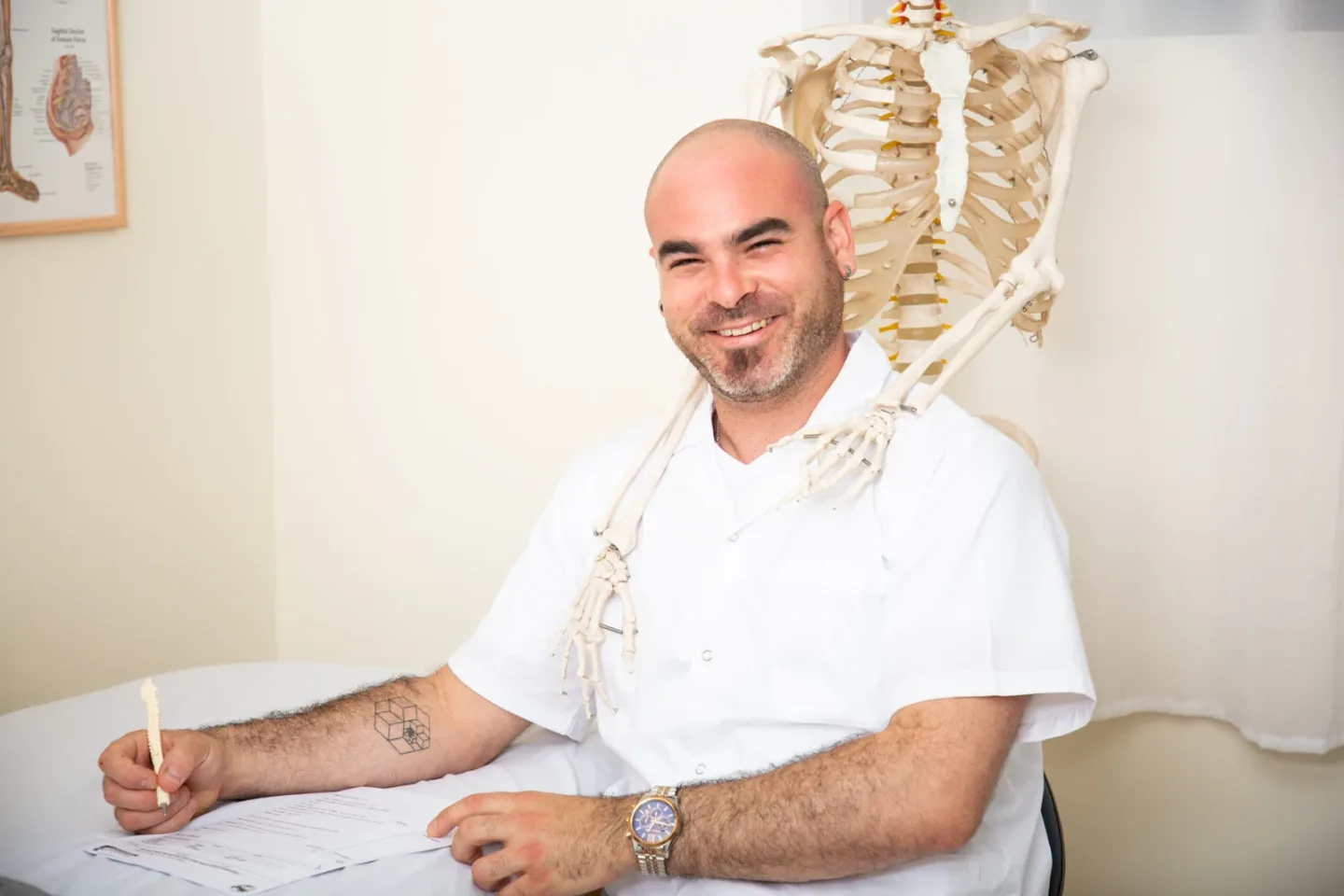
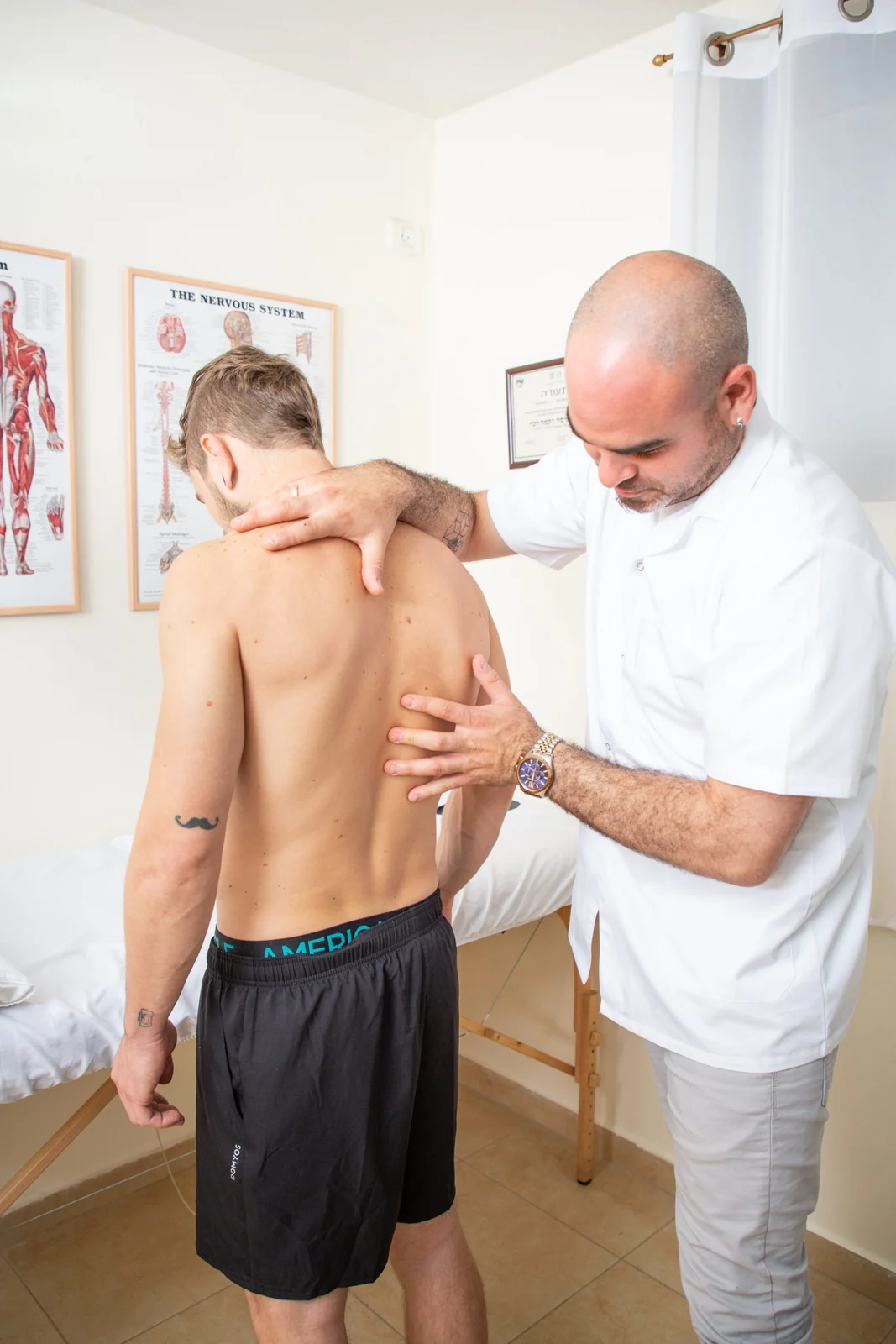
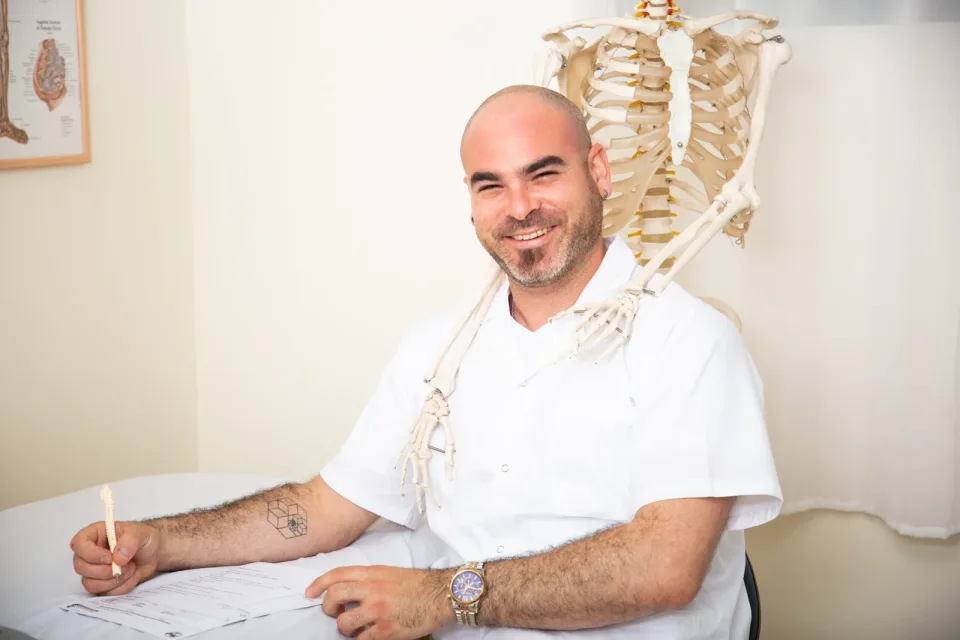
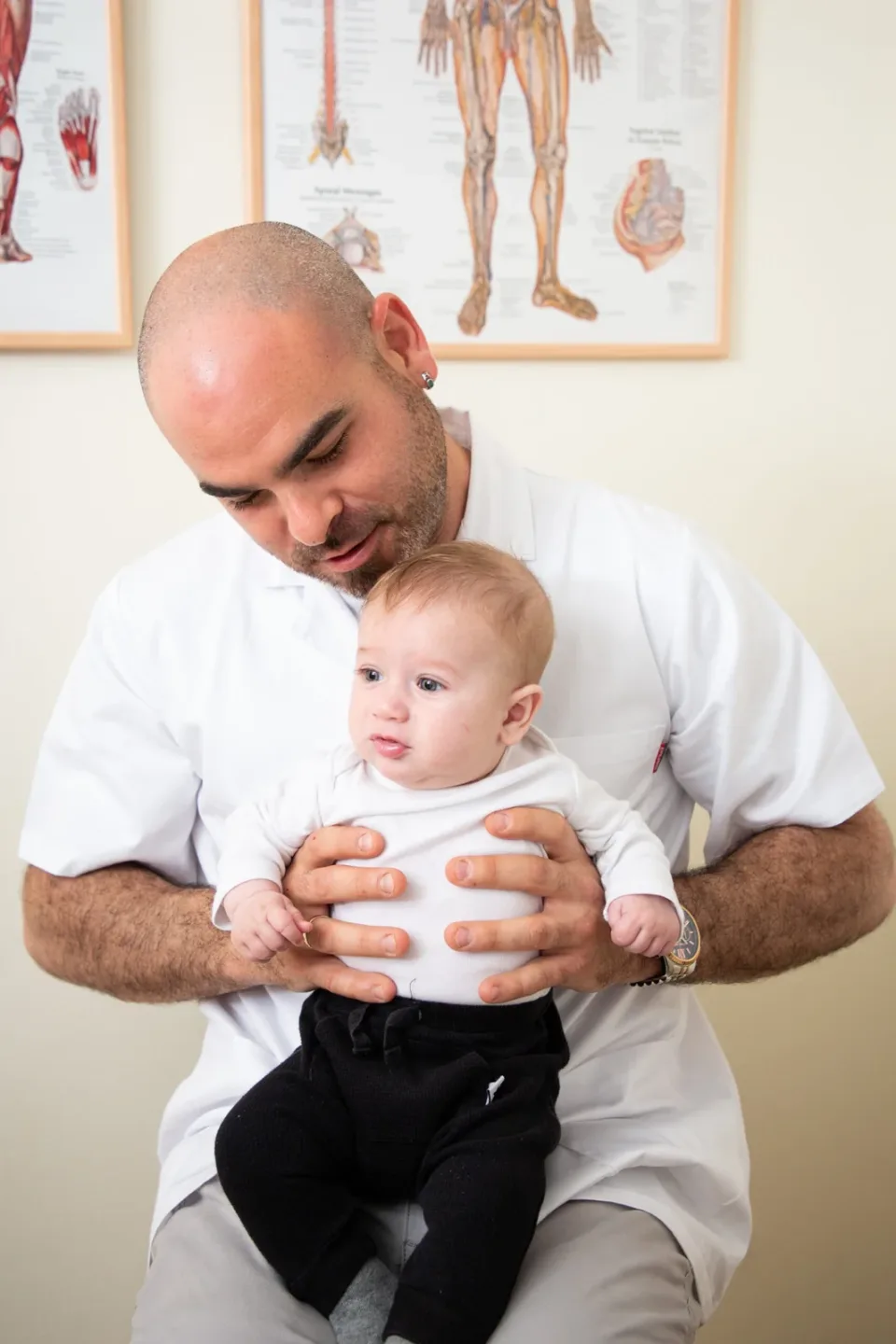
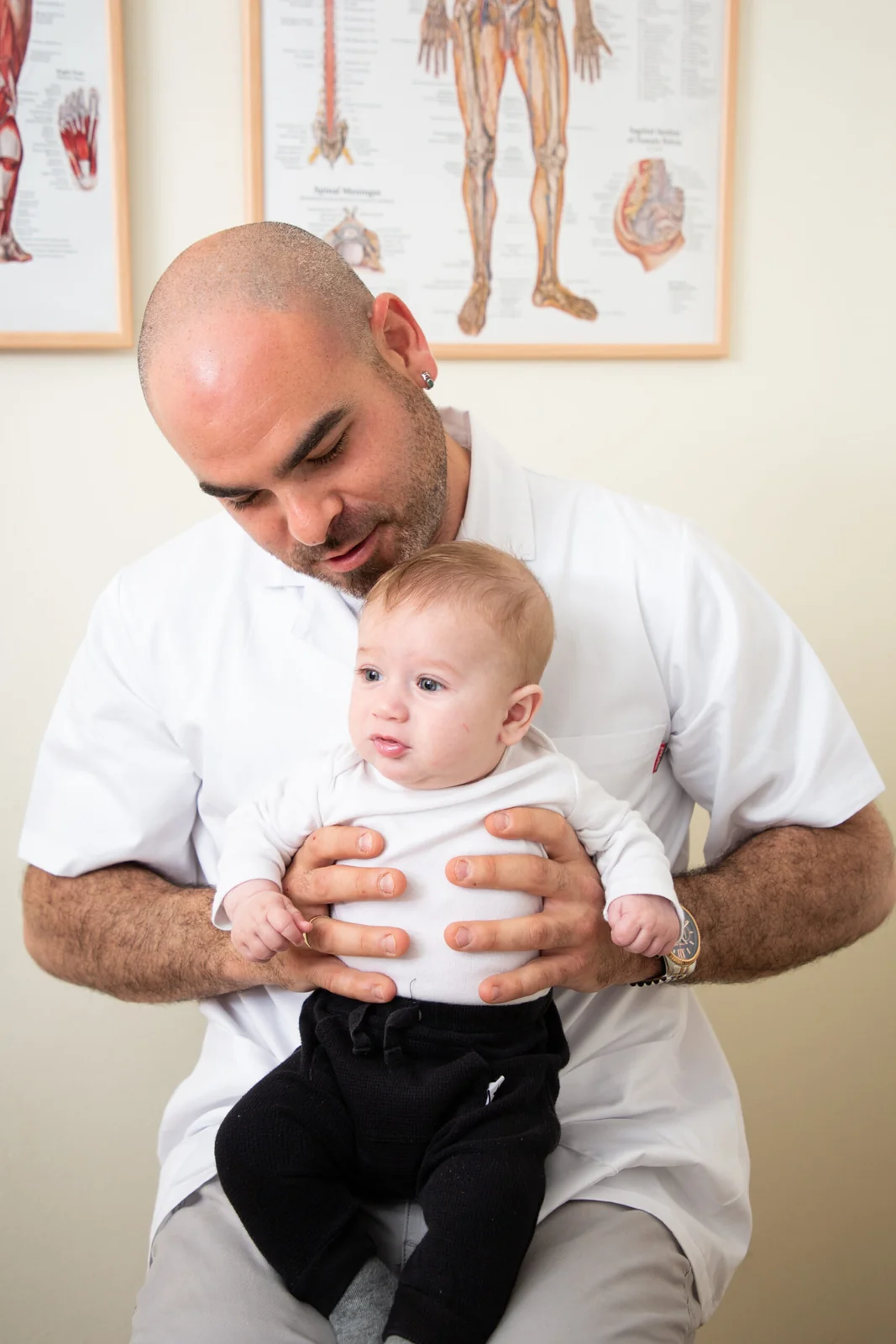
Osteopath Roman Kibler in his clinic

My Background and Training

  • Graduate of 5 years of osteopathy studies‚ including 1,000 hours of practice at the college's training clinic
  • I have helped hundreds of patients who came to me for treatment
  • Graduate of a Soft Tissue Manipulation course at the Medi-win school of complementary medicine‚ Wingate Academic College
  • Integrated massage therapist since 2017
  • Member of the Israeli Osteopathic Association
More Details and Contact
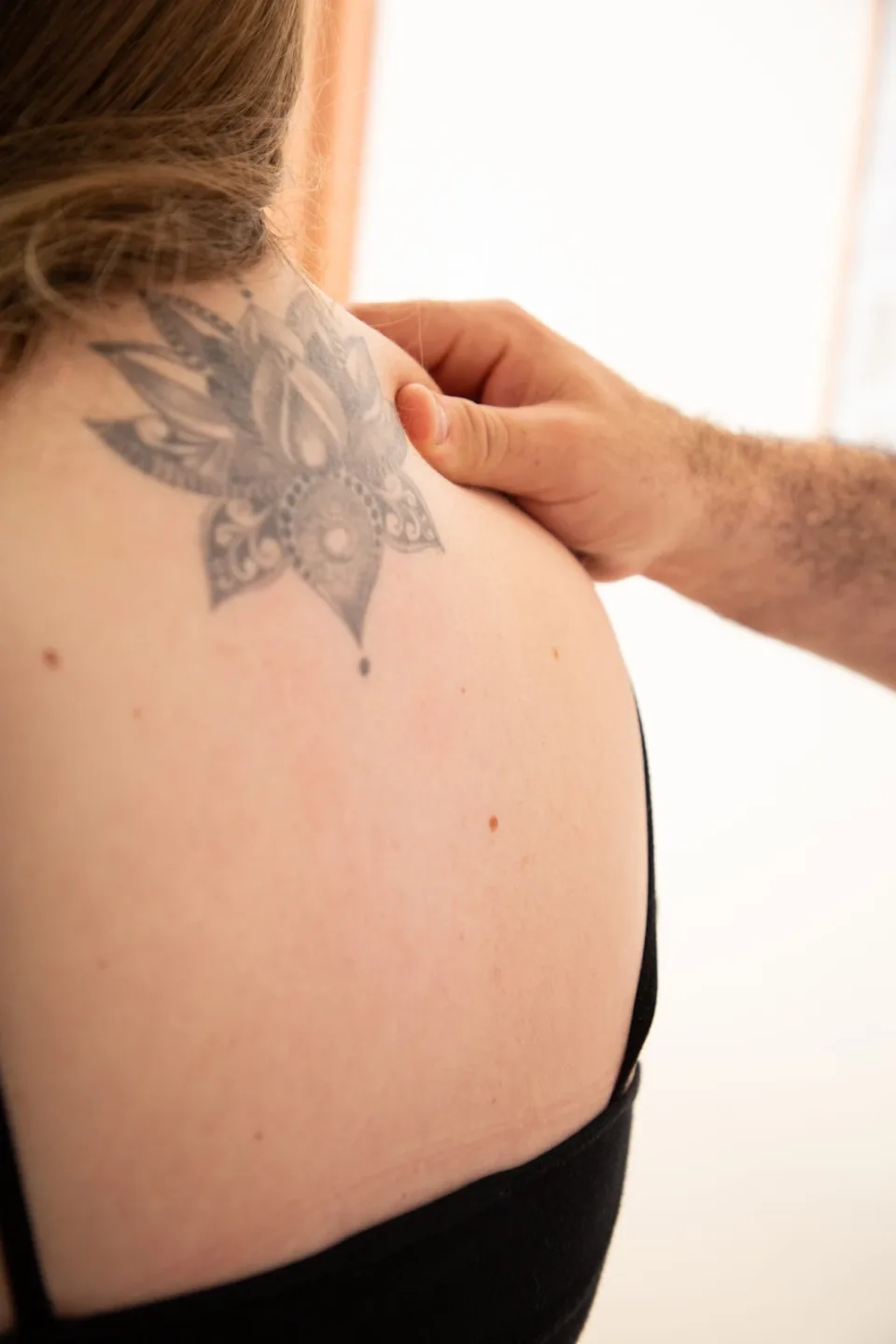
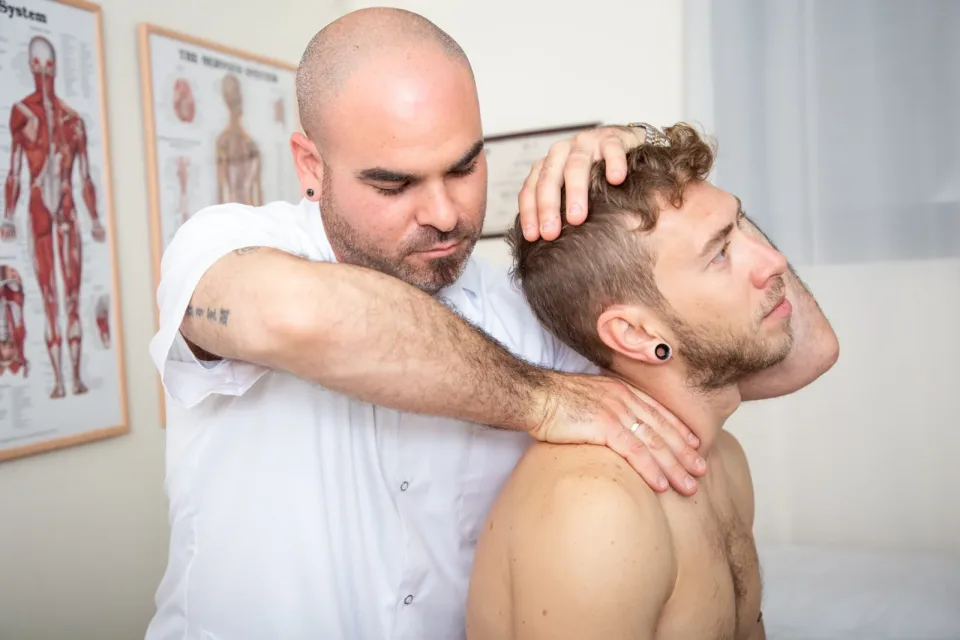
A patient at osteopath Roman Kibler's clinic in the north

My Services

Who Is Osteopathic Treatment Suitable For?

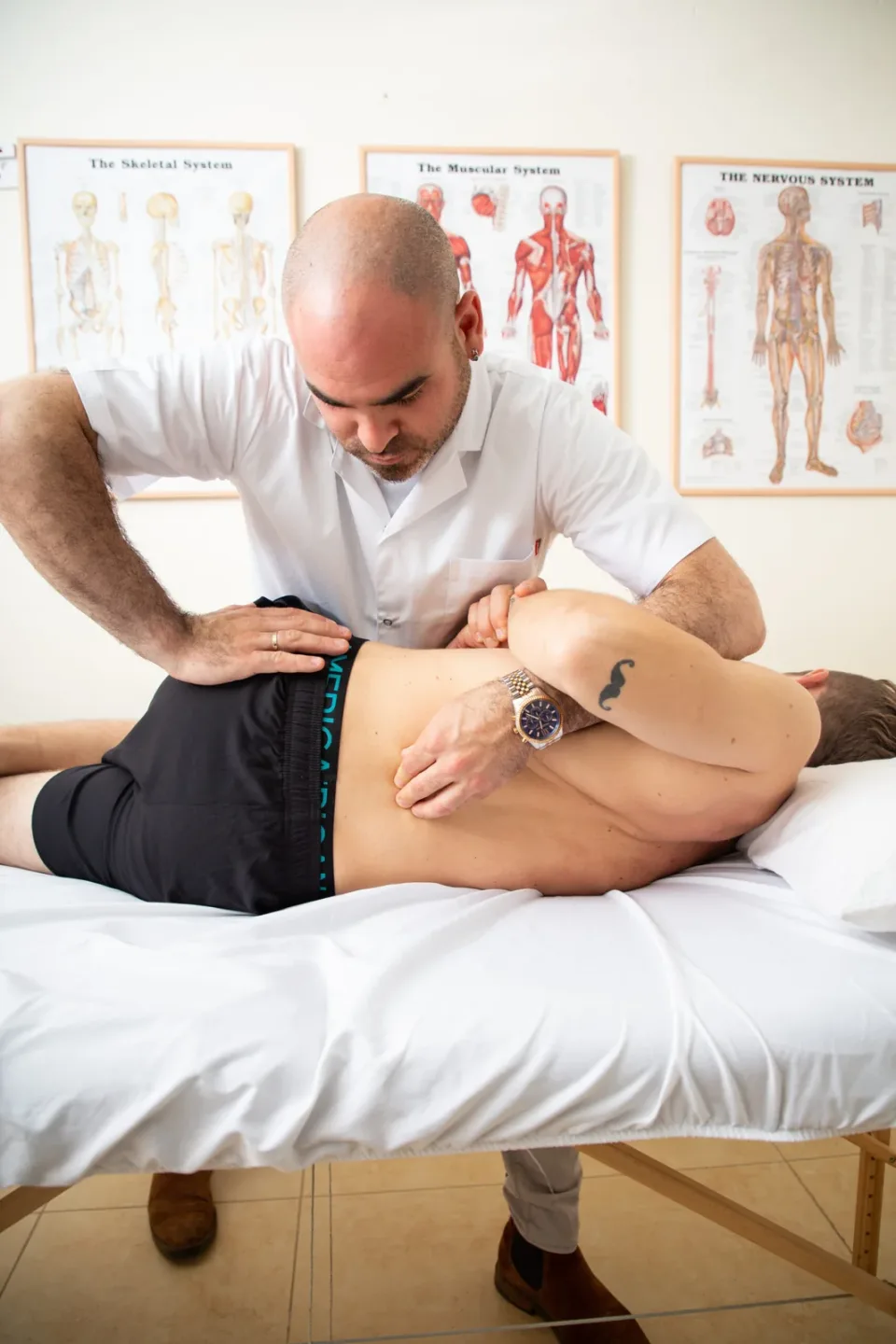
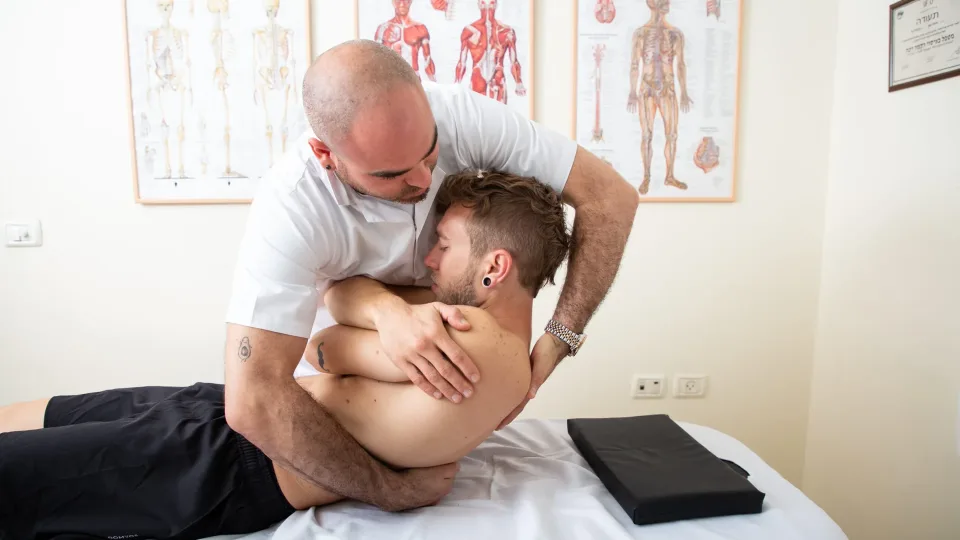
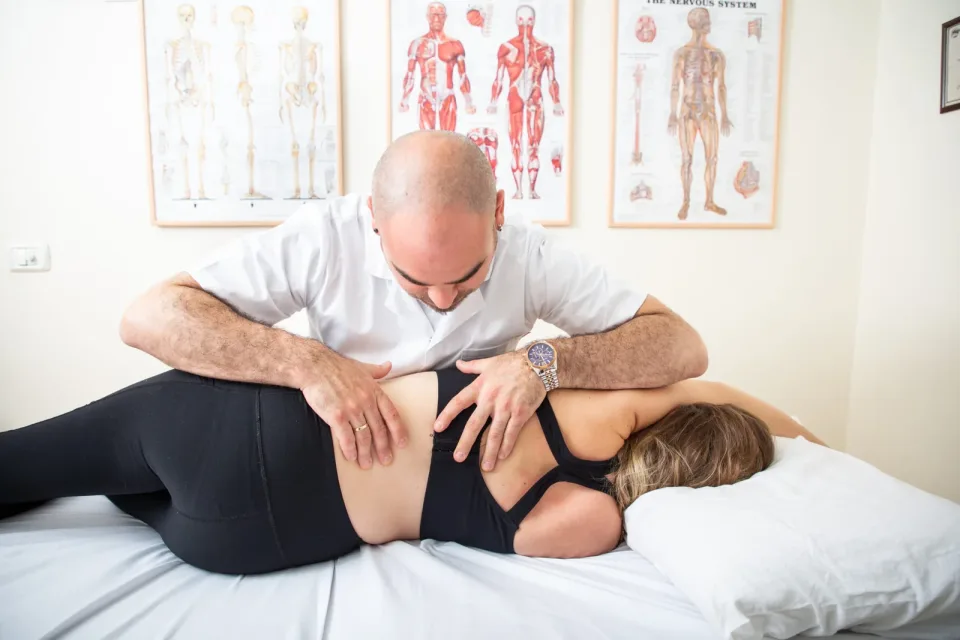
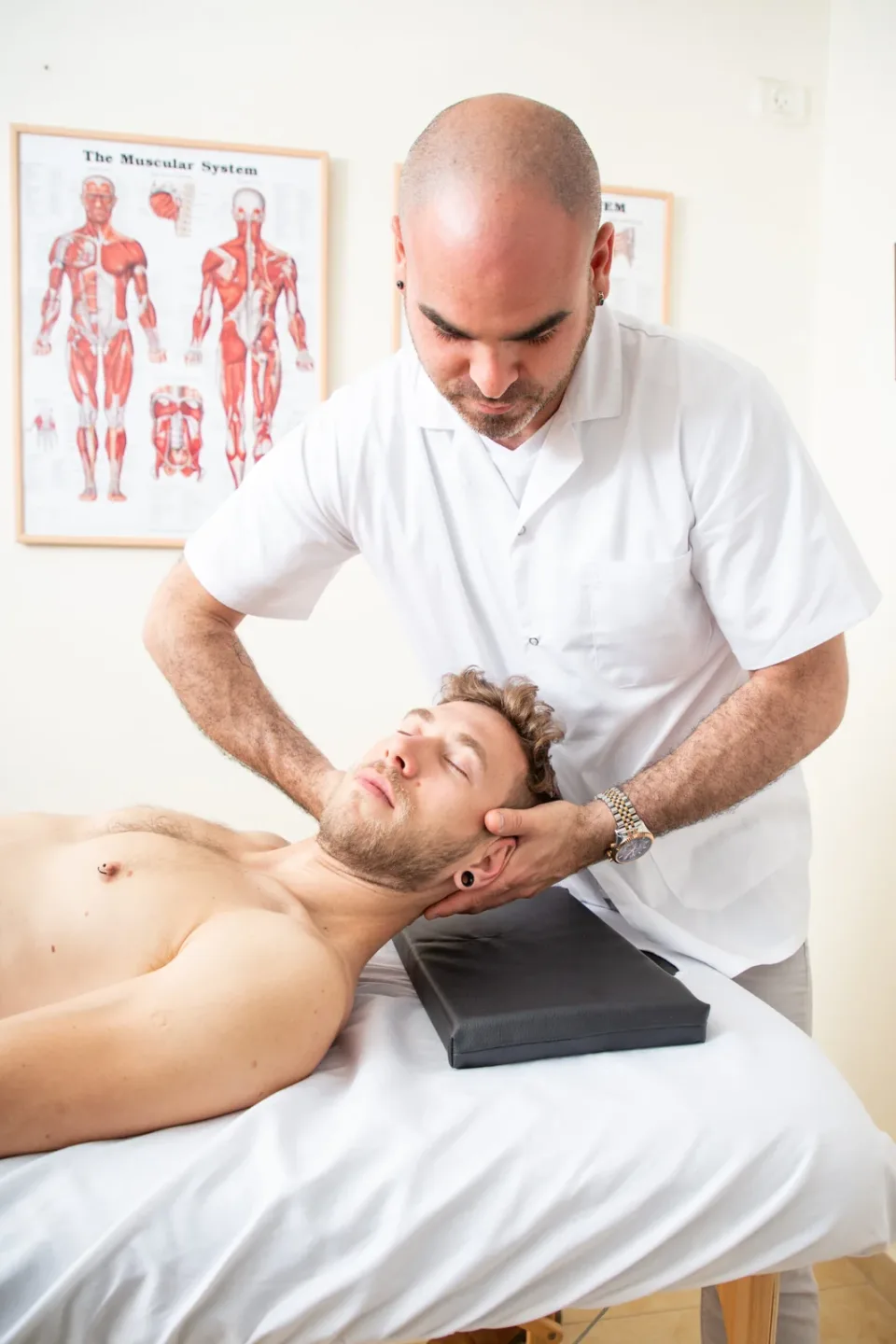
Osteopath Roman Kibler giving professional treatment at his clinic in Tivon

Acute and Chronic Pain

Pain in the back‚ neck‚ shoulder blades‚ shoulder‚ knee‚ hip and jaw joint‚ and headaches
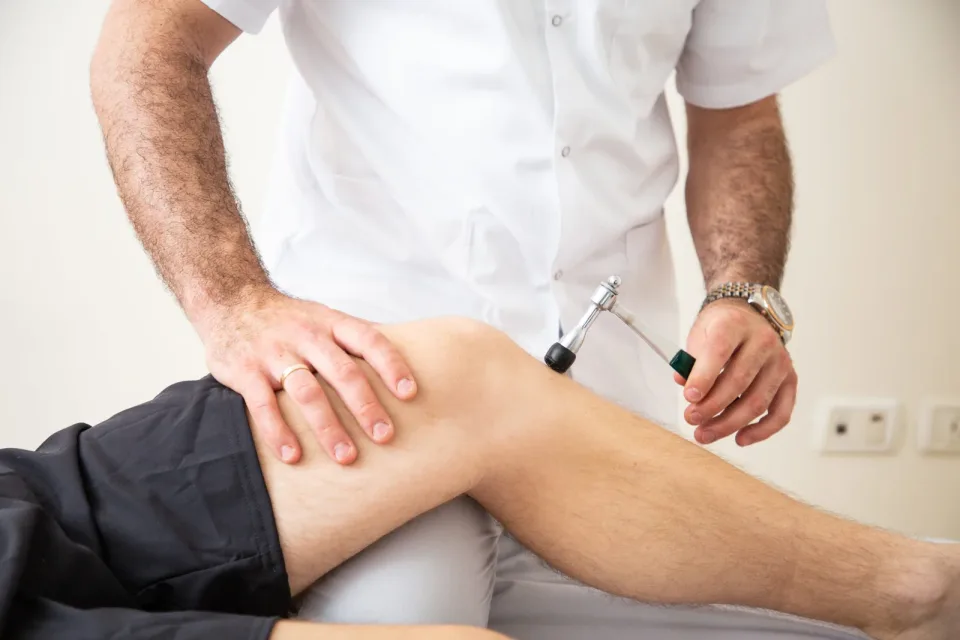
Osteopath Roman Kibler giving professional treatment to a satisfied patient

Orthopaedic and Neurological Problems

Herniated and bulging discs‚ radiating pain and numbness‚ sciatica‚ heel spurs‚ frozen shoulder
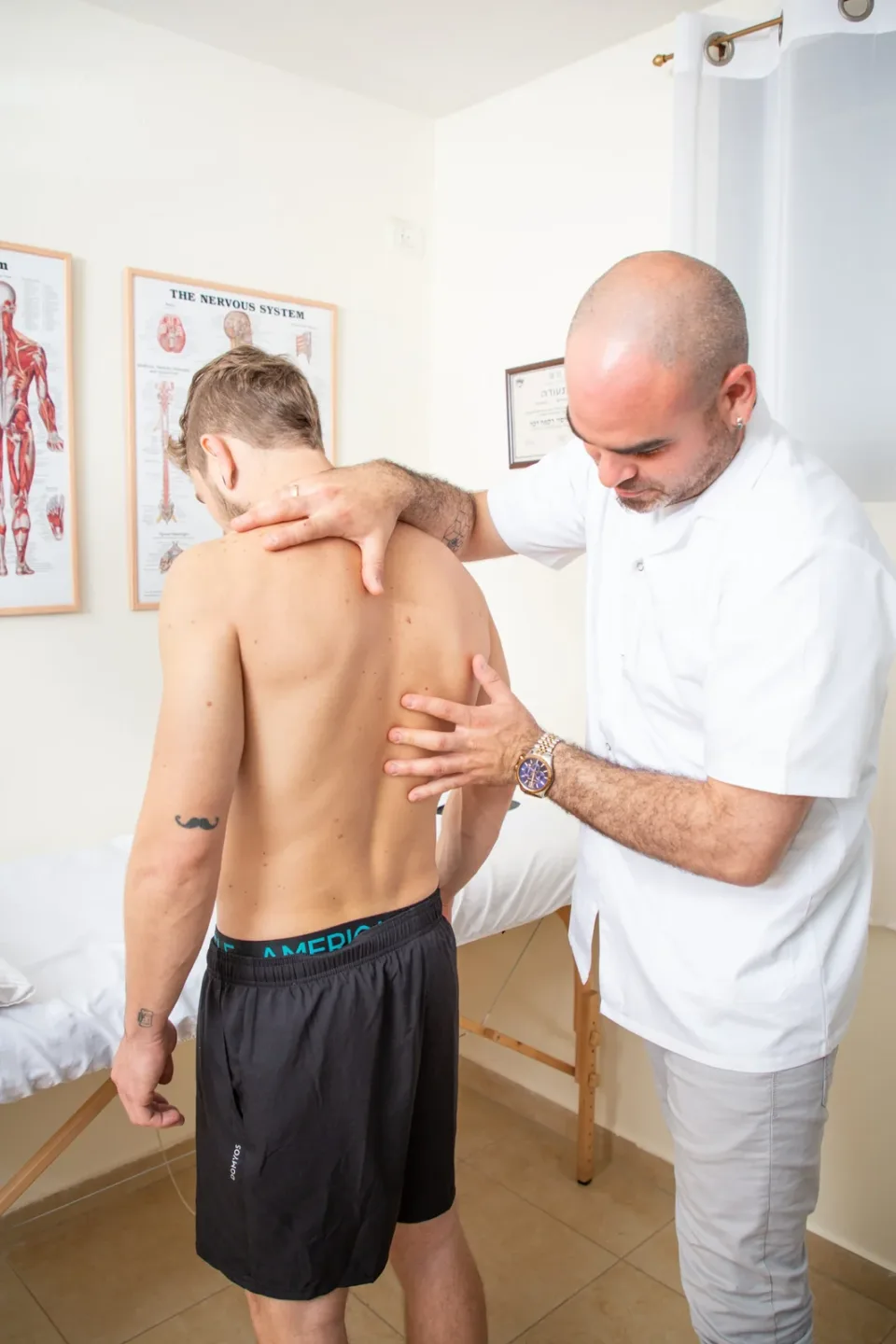
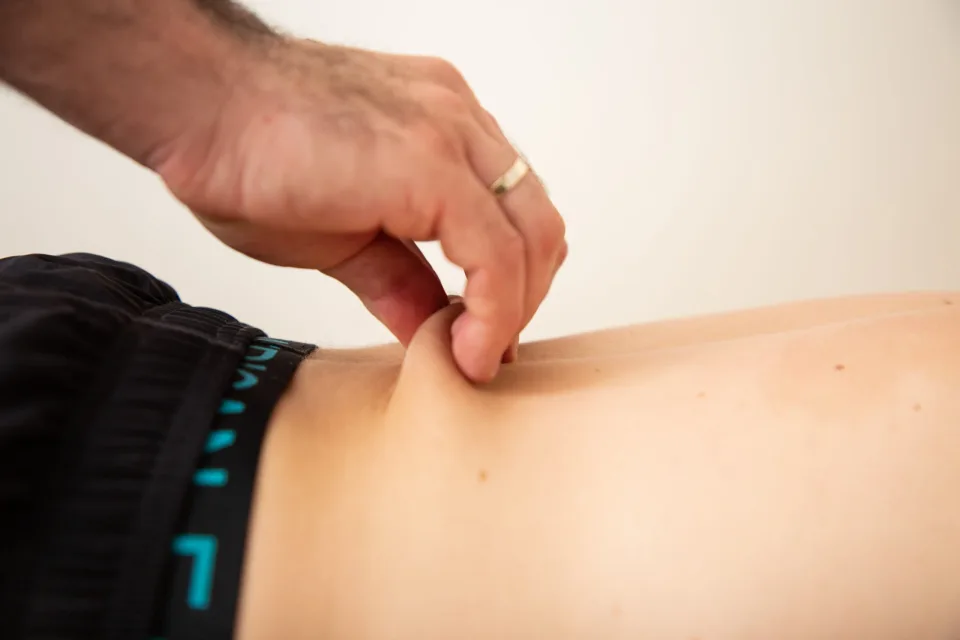
A patient at osteopath Roman Kibler's clinic in the north

Athletes

Treatment of sports injuries‚ tendinitis‚ knee injuries‚ sprains
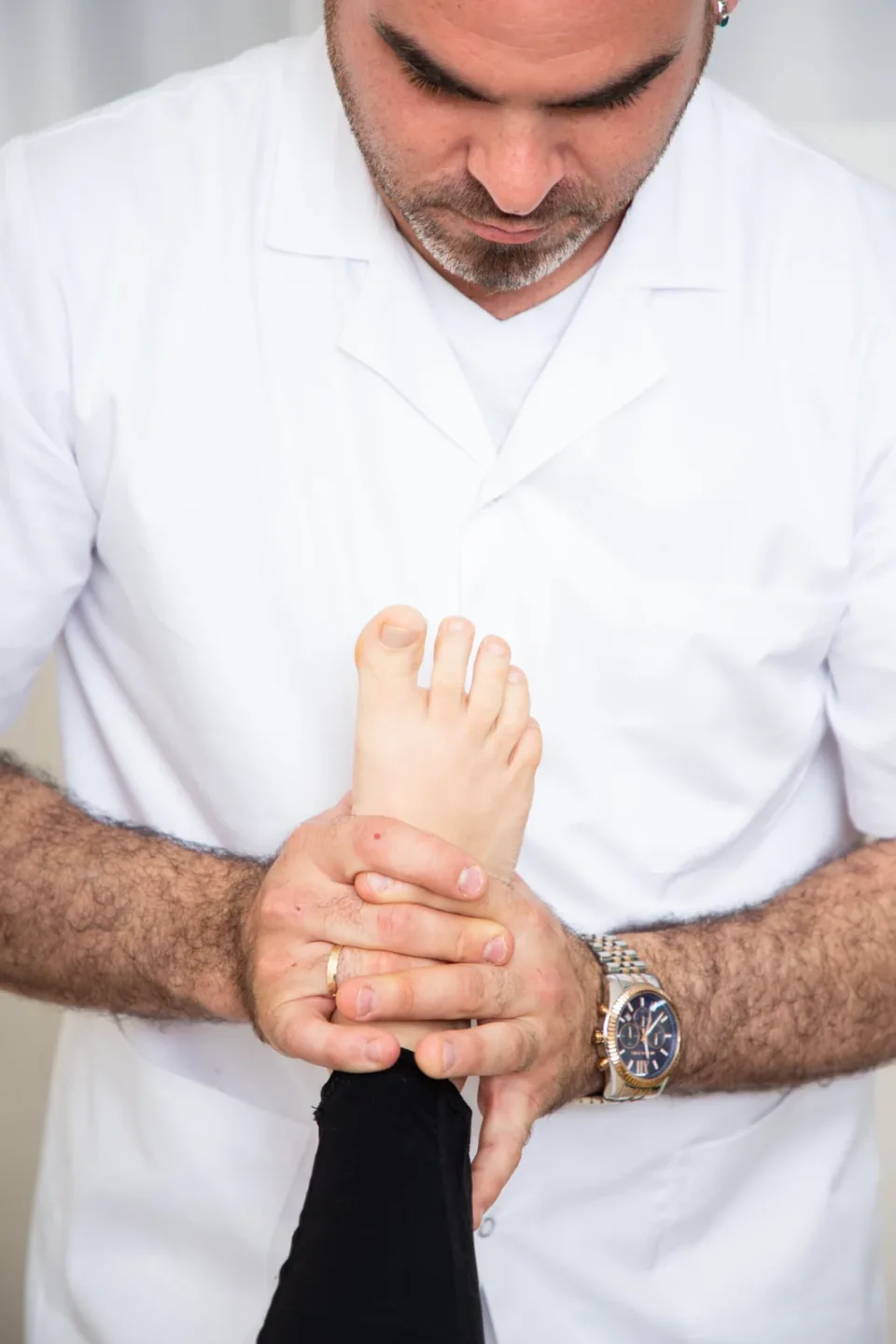
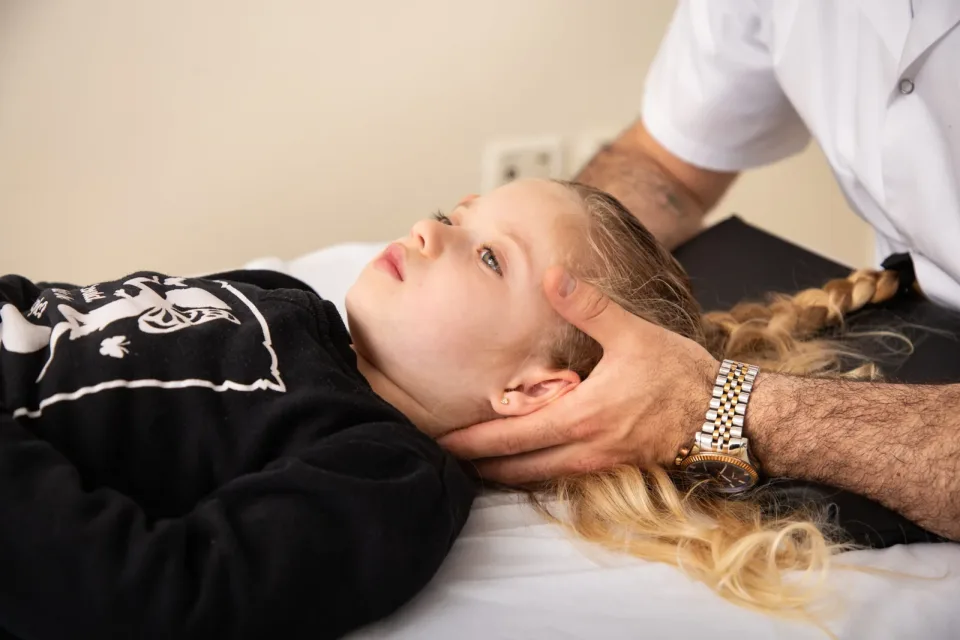
Osteopath Roman Kibler relieving pain in the north

Older Adults

Chronic pain‚ degenerative changes‚ cartilage wear‚ stiff muscles and joints

My Belief and Vision

I believe that the body is able to heal itself‚ and I see myself as a messenger who helps people heal in a natural and attentive way. Healing the body is a personal process that varies from person to person‚ and it requires persistence and the adoption of a healthy routine.

I am here to help anyone who is ready to invest in their own healing process. I believe there is no magic - the road to healing takes work and persistence.

More Details and Contact
Recommended osteopath in the north Roman Kibler

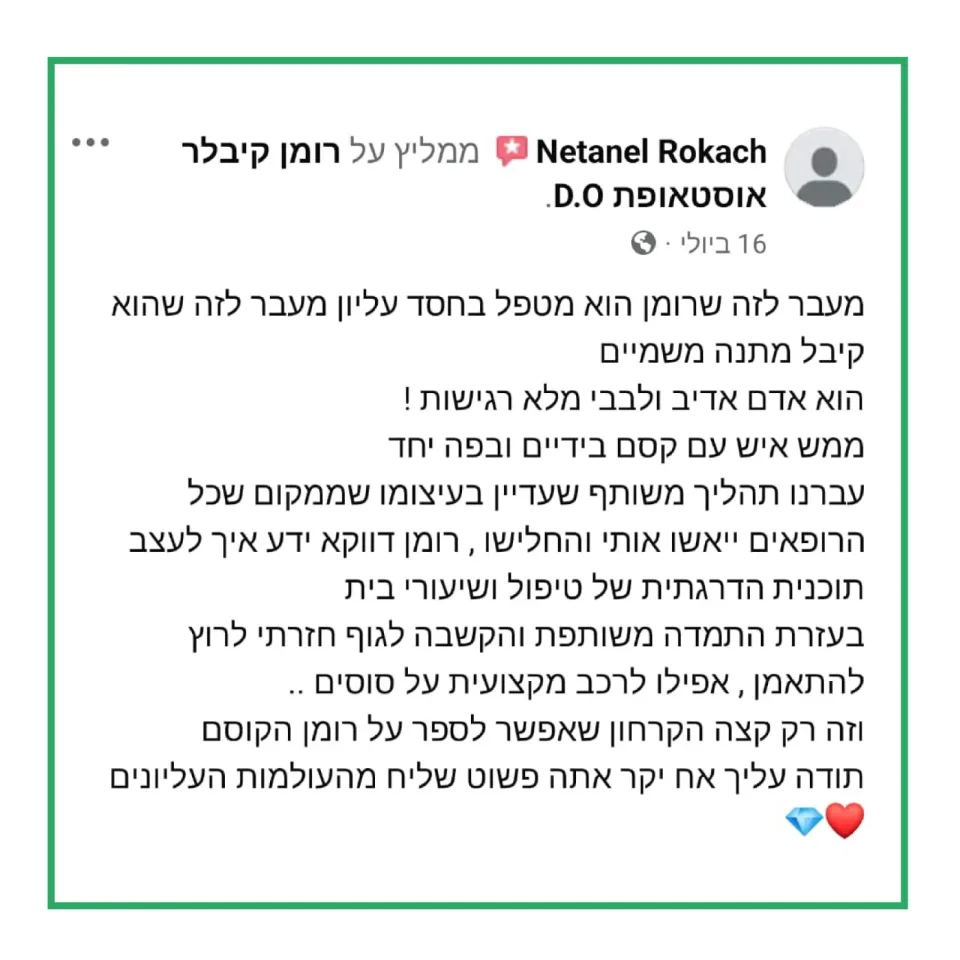
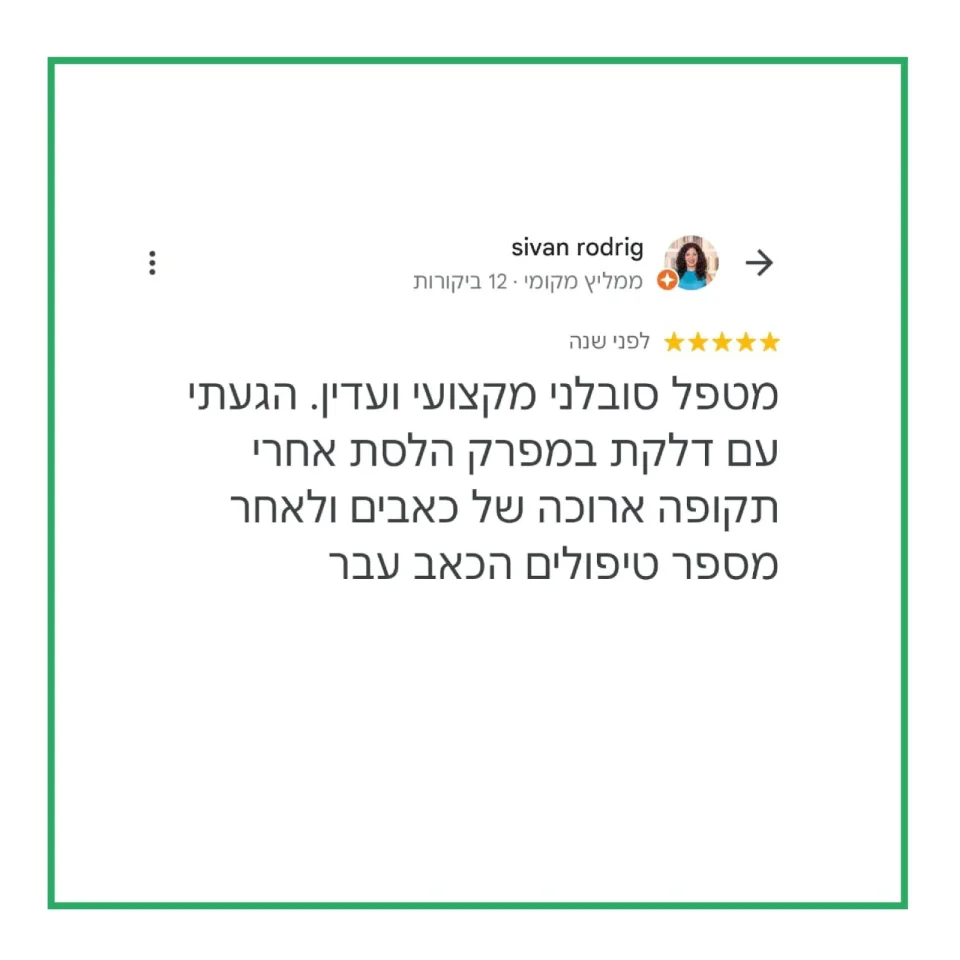
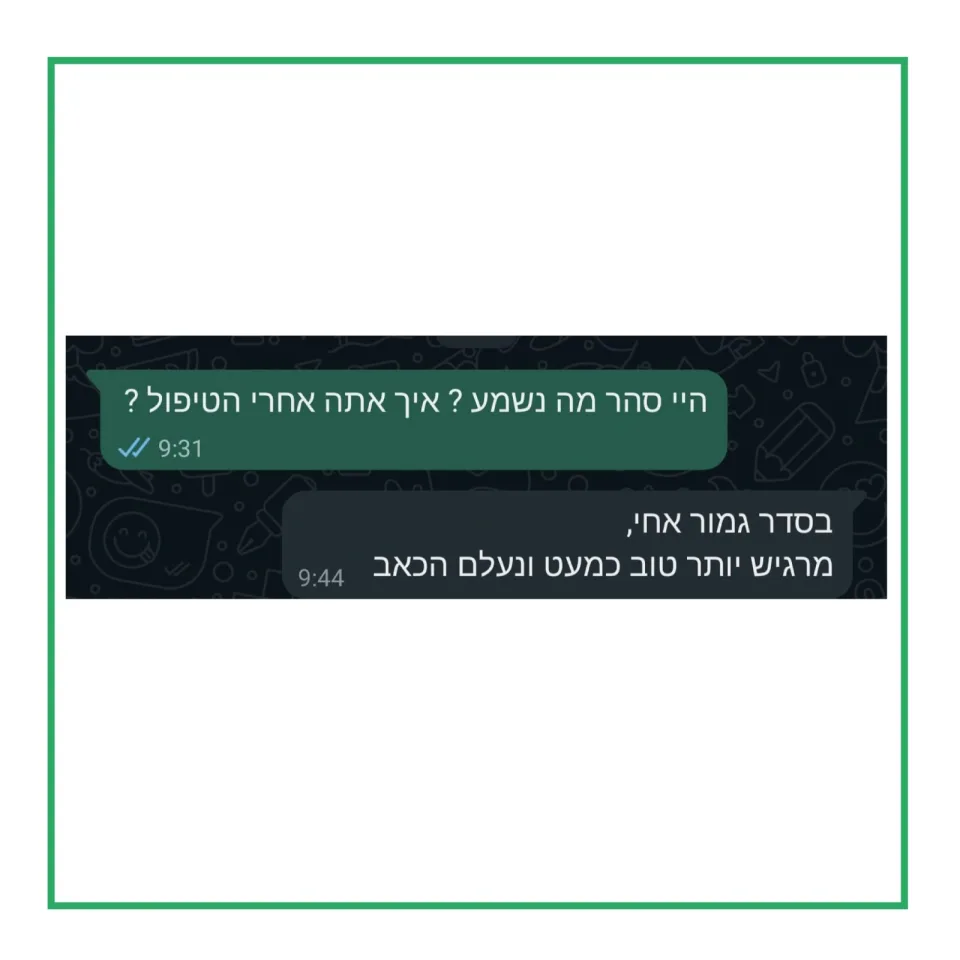
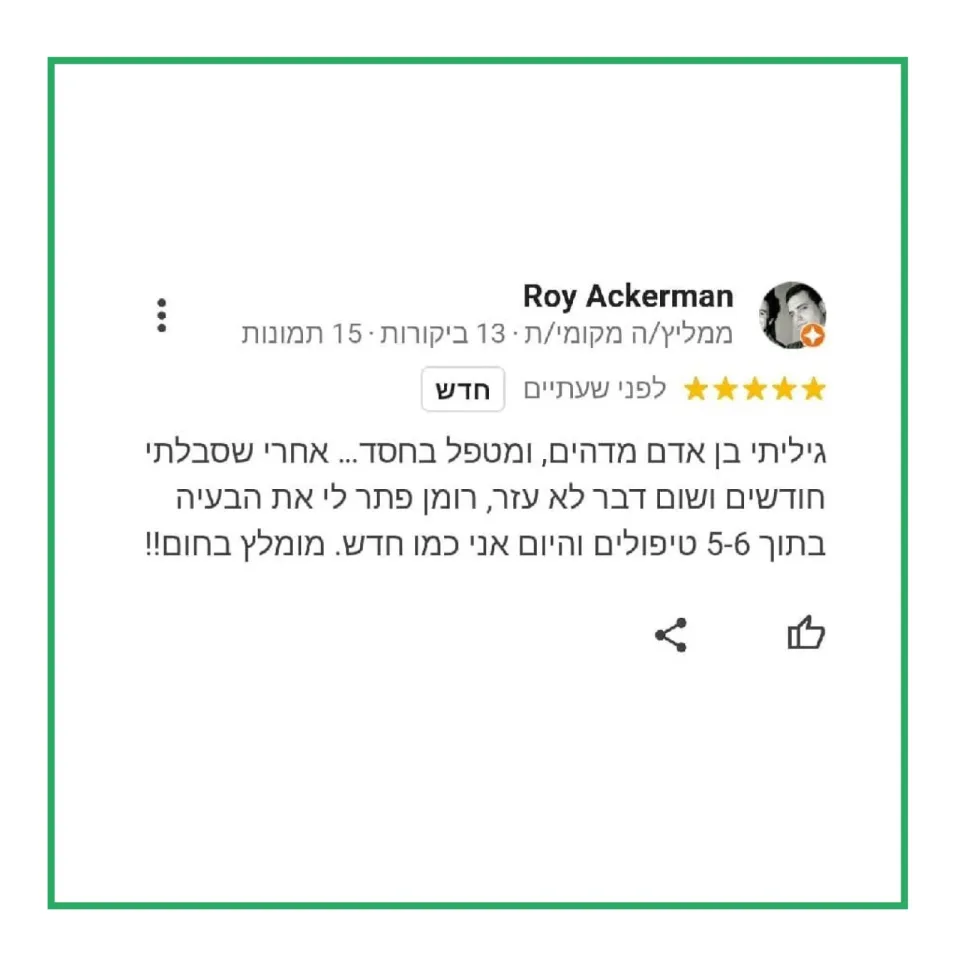
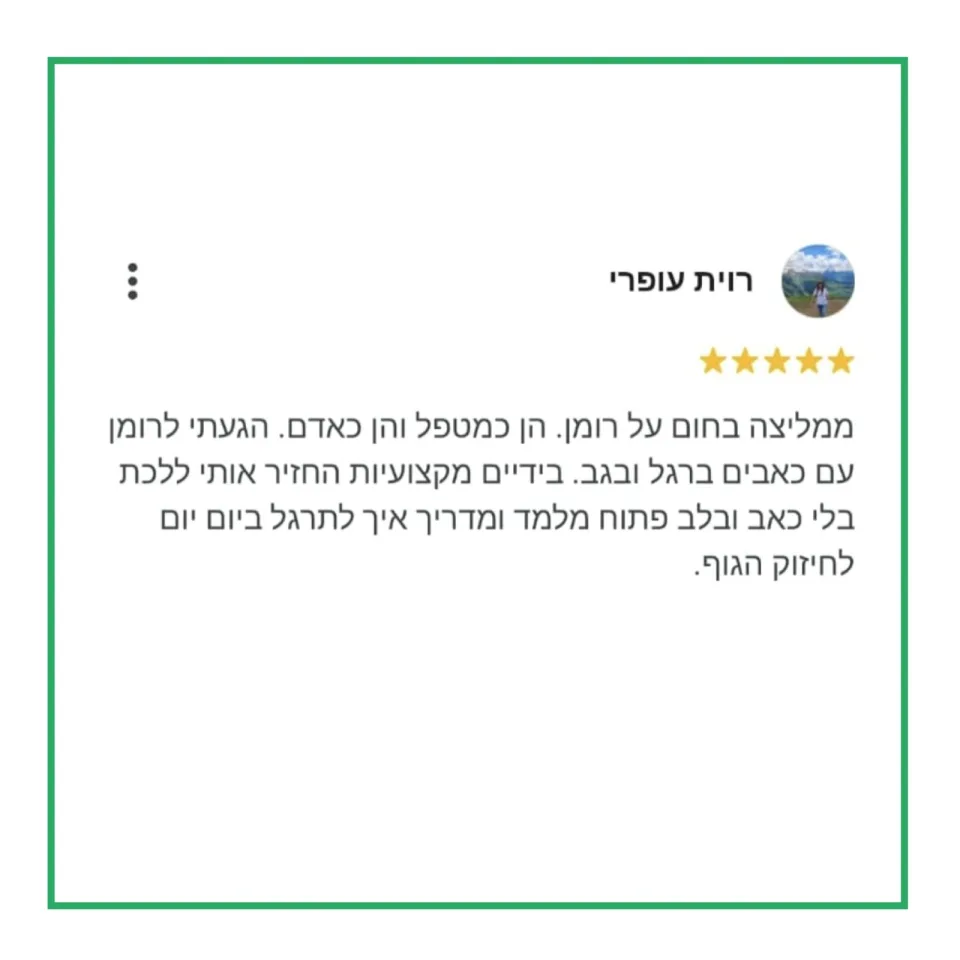
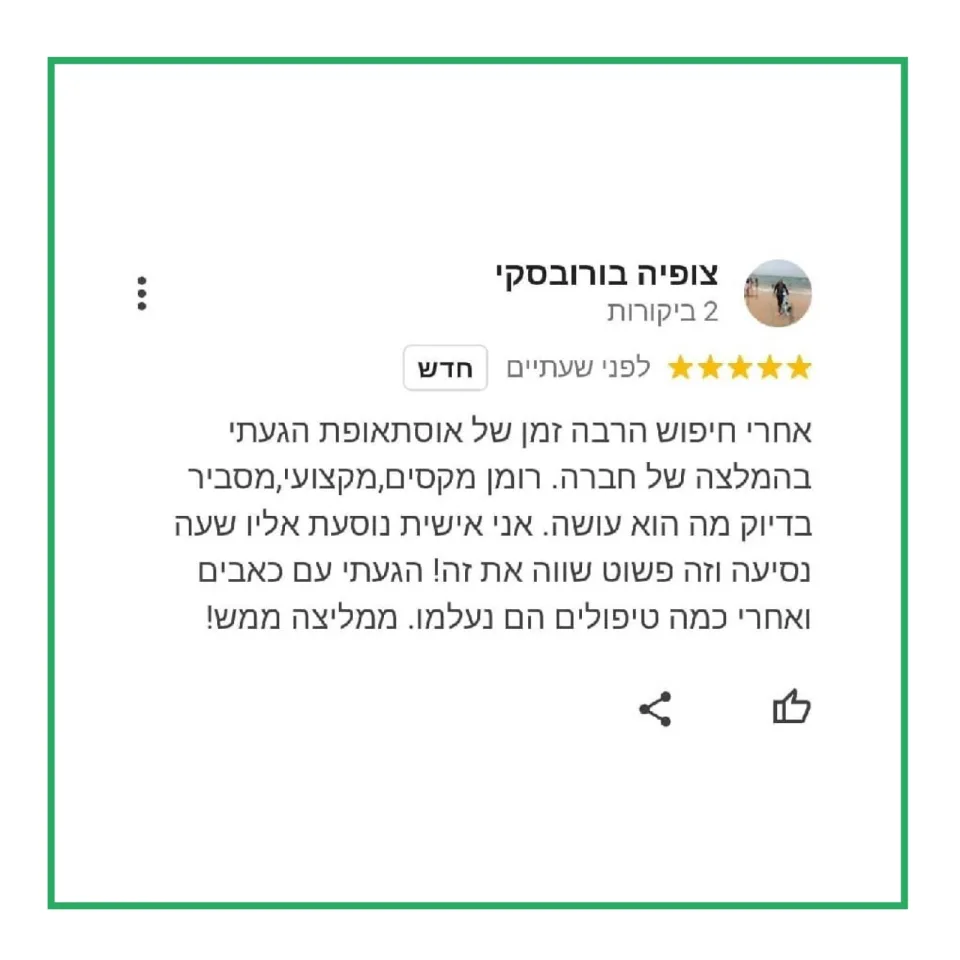
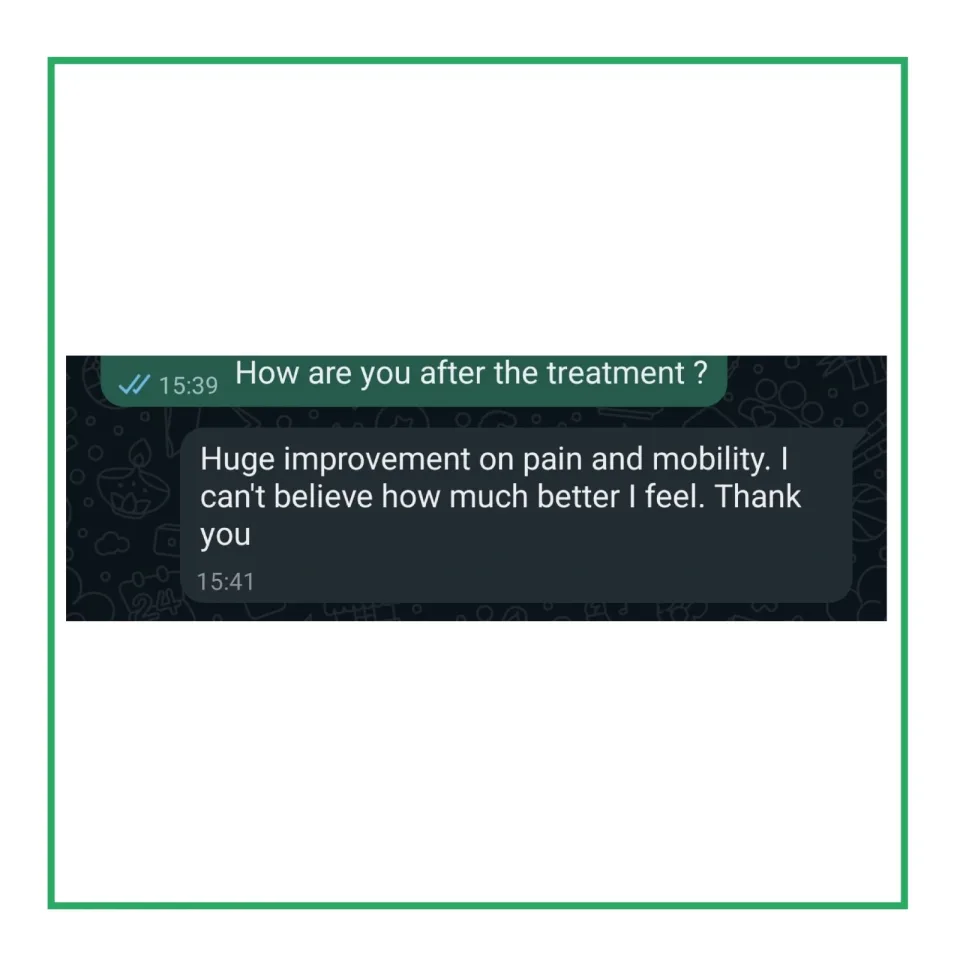
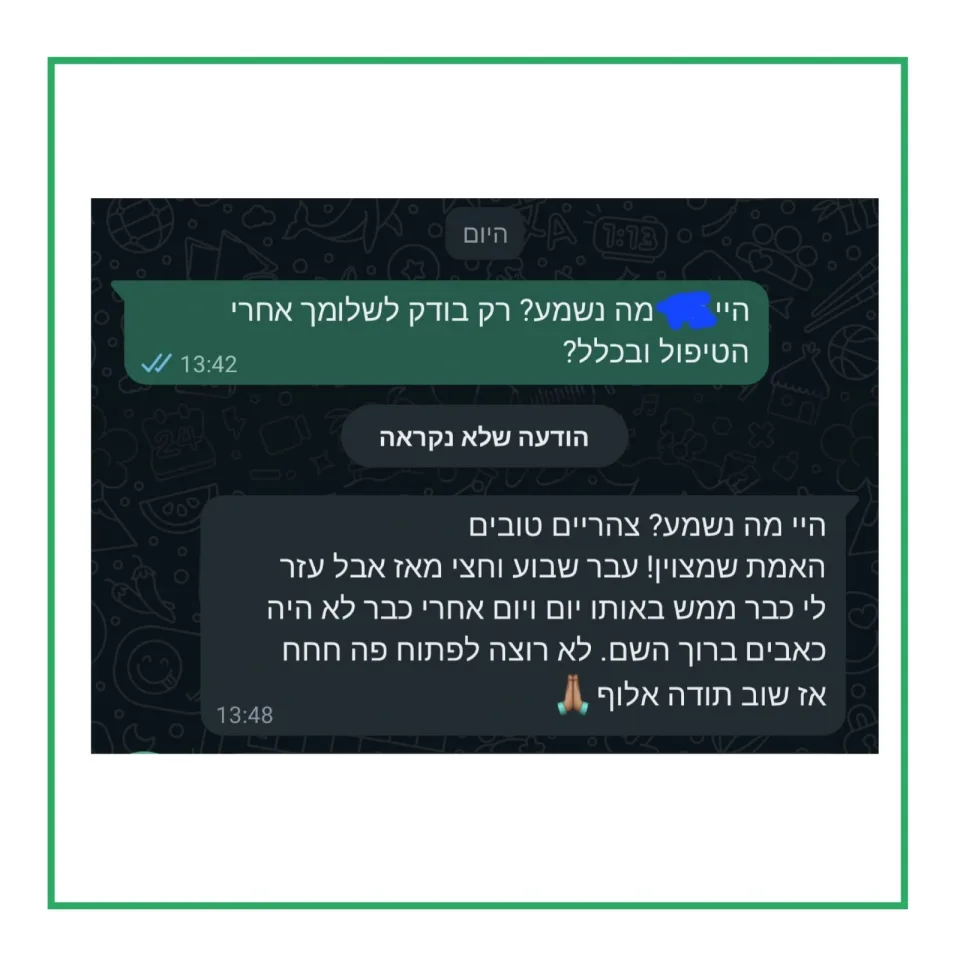
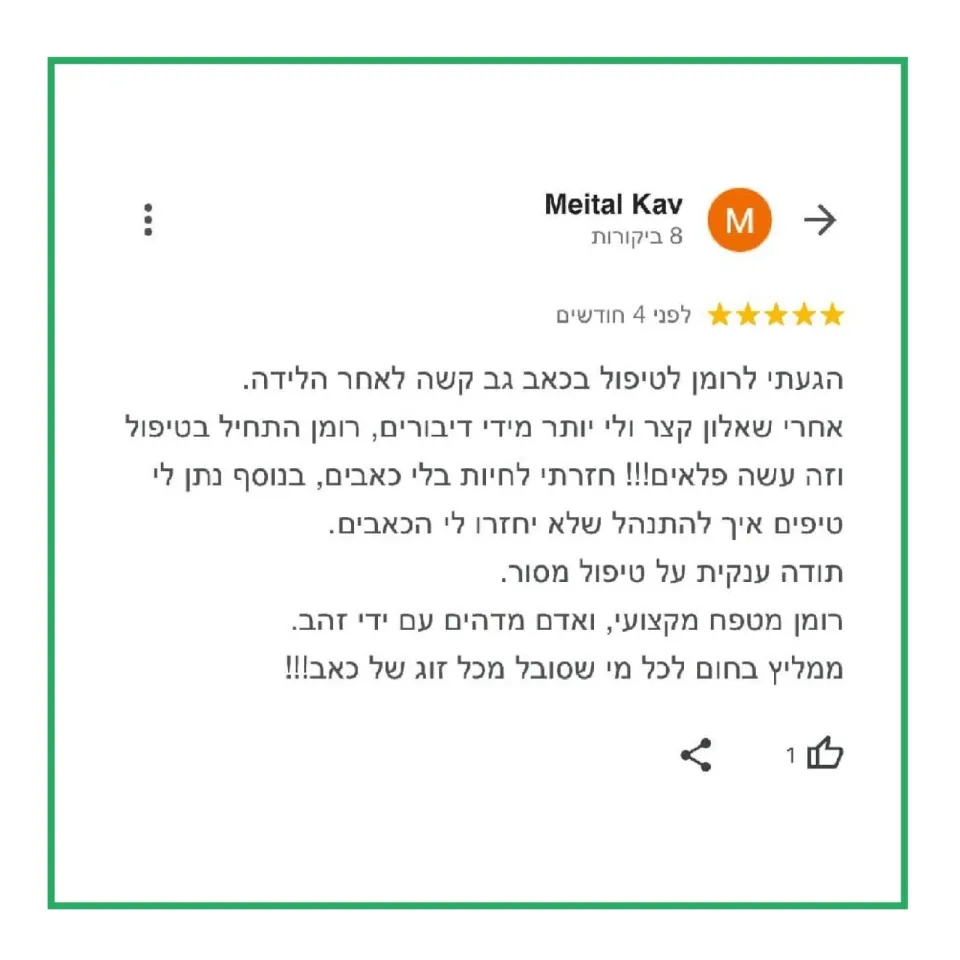
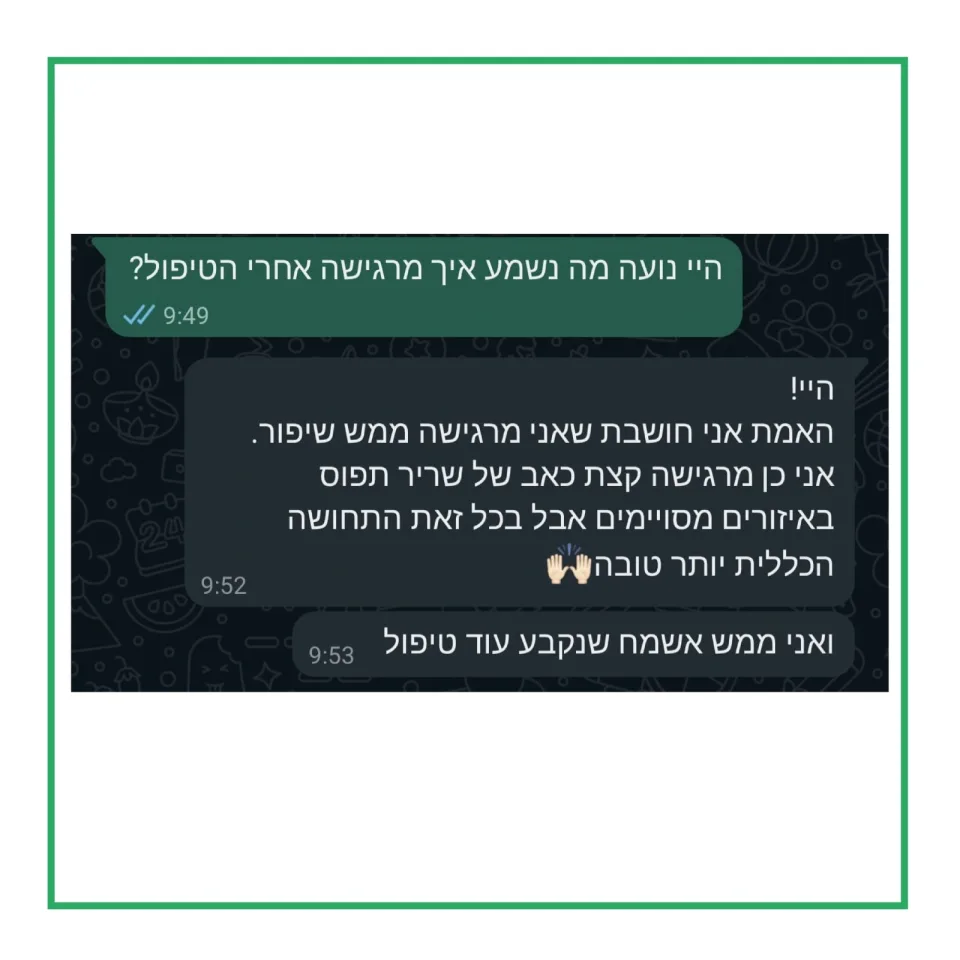
What My Patients Say

What Is Osteopathy?

Osteopathy was founded and introduced by Dr. Andrew Taylor Still in 1874. It is a paramedical method of treatment that focuses on the diagnosis‚ treatment and prevention of health problems through hands-on treatment of the musculoskeletal system.

According to Dr. Still's belief‚ when all the parts of the body‚ including the skeleton and the internal organs‚ are in their exact place‚ this directly affects the proper function of the whole body as a system working in perfect harmony. In such a state‚ nature takes care of the rest.
The method focuses on the diagnosis‚ treatment and prevention of disorders of the muscles‚ bones‚ joints and internal organs and of the body's various systems (blood‚ nerves‚ immunity)‚ aiming for balance between all of these factors. It is based on the principle that the structure of the body and its function are closely linked and influence each other.

This is why a person's health can be restored by treating imbalance in the musculoskeletal system. Unlike conventional medicine‚ this approach puts the emphasis on a holistic approach: it looks at the body as a whole in order to understand and treat the root of the discomfort or dysfunction‚ and not only the symptoms.

Osteopathic treatments are non-invasive and include a variety of manual techniques‚ such as stretching‚ massage‚ work on the internal organs‚ work on the bones of the skull and manipulation of joints and muscles. This manual therapy aims to improve blood flow‚ reduce pain and promote healing by encouraging the body's natural self-regulation mechanisms.

Whether it is back pain‚ headaches or sports injuries‚ this kind of care can complement medical treatment‚ and it does not replace a doctor's diagnosis or follow-up.

What Are the Principles of Osteopathy?

  • The body has the ability to heal itself
  • The body works as one unit‚ and every part affects the others
  • Structure and function influence each other
  • A healthy flow of fluids is the key to healing
  • The treatment is adapted and tailored to each patient

What Does an Osteopath Do?

If you have ever wondered what is an osteopath‚ the short answer is a trained health professional who specializes in diagnosing and treating problems of the muscles and the skeleton. Osteopaths go through comprehensive training in anatomy‚ physiology‚ biomechanics and clinical medicine‚ together with a range of hands-on techniques.

This training gives them the knowledge to treat a wide variety of problems. An osteopath uses the hands to move and adjust the body‚ and helps restore normal function to the affected areas.

In addition to the physical adjustments‚ osteopaths can give advice on exercise‚ posture and lifestyle changes that support recovery and improve general health. Finding an experienced‚ knowledgeable and recommended osteopath can make a real difference to the results you get from treatment.

How Does Osteopathy Work?

The method rests on the belief that the body's systems work together in a coordinated and mutual way. Osteopaths look beyond diseases to understand how different parts of the body can affect general health.

For example‚ problems in the spine can lead to headaches‚ and posture problems can cause knee or hip pain. An old injury in the leg can over time affect the spine and cause problems far from the place of the original injury.

Before the examination and the treatment‚ an osteopath takes into account the patient's health history‚ lifestyle and symptoms. This helps the osteopath decide on the best treatment plan for you.

Many people ask what is osteopathy compared with other forms of treatment‚ for example physiotherapy. It stands out for its focus on manual treatment and on the body's innate ability to heal itself when it gets the right support.

It also tries to trace all the compensations the body has made over time‚ in order to understand which source started the imbalance. An osteopath helps realign the body and release tension‚ which often leads to improvements both in pain relief and in physical mobility and general health.

What Are the Benefits of Osteopathy?

Osteopathic treatment has many benefits‚ especially for people who suffer from chronic pain‚ stiff joints or injuries. One of the main benefits is that it is a drug-free treatment‚ so it suits anyone who wants a more natural approach to care.

Osteopaths treat the physical symptoms and give advice on lifestyle and posture that can prevent future problems. It helps with a wide range of conditions‚ including back and neck pain‚ sciatica‚ joint wear‚ sports injuries and pain that comes with pregnancy.

Some patients report relief from tension headaches‚ and sometimes also from migraines‚ after osteopathic treatment‚ since such headaches are sometimes influenced by tension in the neck or the spine. Its gentle techniques also make it suitable for adults of all ages‚ from young people to the elderly.

Who Can Osteopathy Help?

Osteopathy suits almost everyone‚ regardless of age or level of activity. It is especially helpful for people who do physical work‚ for athletes and for people who suffer from chronic pain because of poor posture or repetitive movements.

Pregnant women can also be treated to ease back pain and other discomforts related to pregnancy. It can bring relief to people who live with long-term musculoskeletal problems‚ and it can also be effective for acute conditions such as sprains and more recent injuries.

Many patients who did not find success with other types of treatment‚ such as physiotherapy or chiropractic care‚ choose this approach as an alternative. Its holistic nature answers immediate concerns and also puts the emphasis on long-term health and wellbeing‚ with a personal attitude that treats the patient as a person first of all.

In line with Dr. Still's belief‚ when all the parts of the body‚ including the skeleton and the internal organs‚ are in their exact place‚ this directly affects the proper function of the whole body as a system working in perfect harmony. In such a state‚ nature takes care of the rest.

What Are the Fields of Osteopathic Treatment?

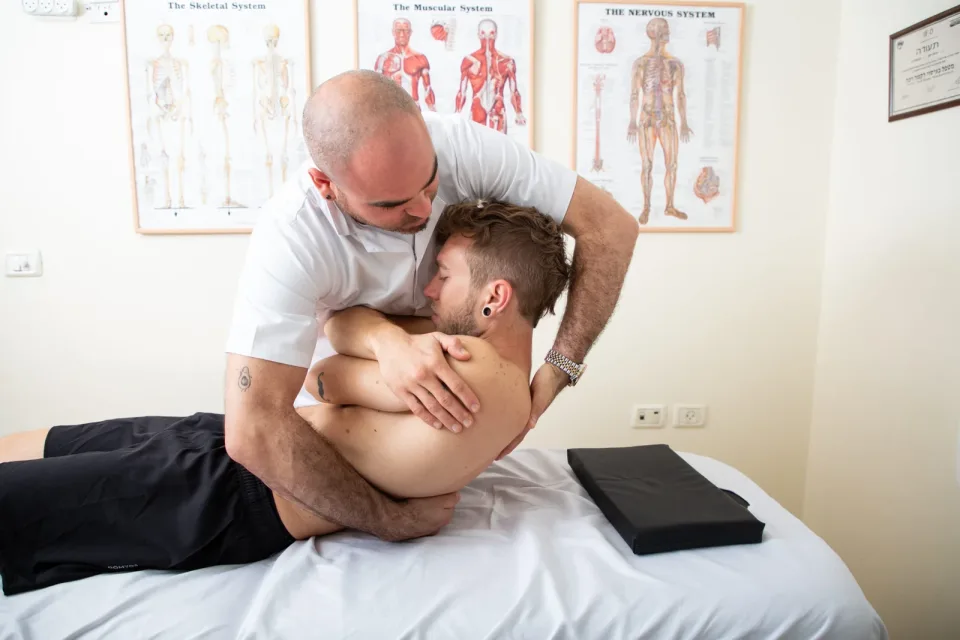
Pain treatment in Tivon by osteopath Roman Kibler

Structural Osteopathy

This field focuses on the musculoskeletal system‚ using mobilizations‚ pressure and gentle manipulations of the joints‚ bones and muscles to improve movement and function and reduce pain.
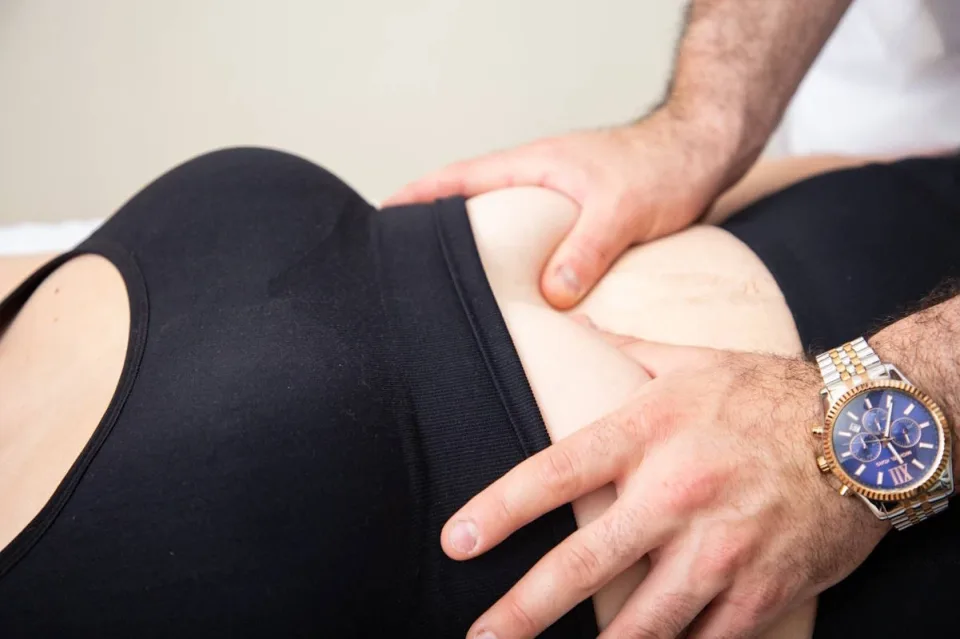
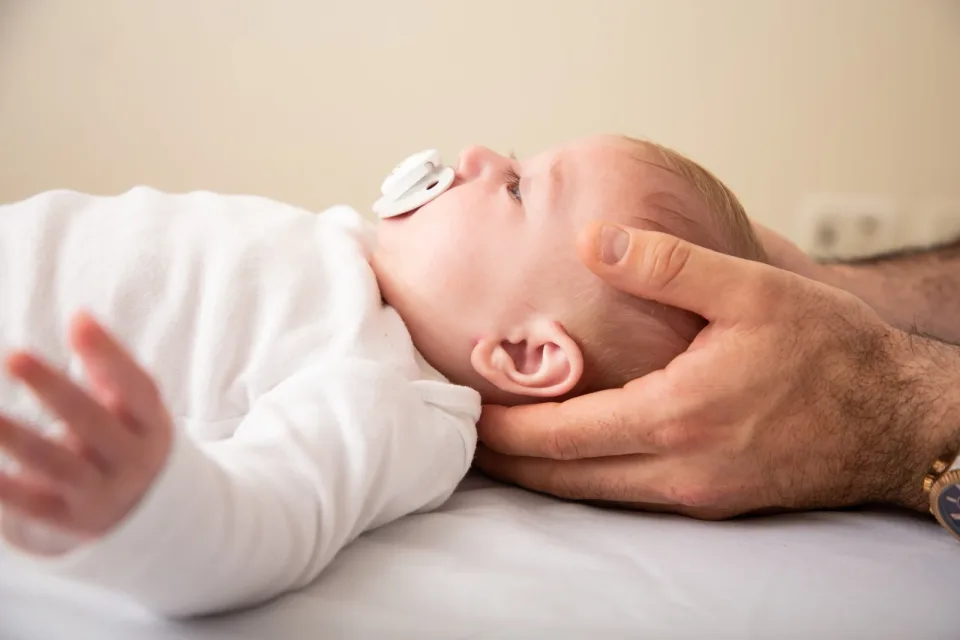
Osteopath Roman Kibler treating pain in Tivon

Visceral Osteopathy

This field focuses on the movement of the internal organs and their supporting structures‚ such as the ligaments‚ blood vessels and nerves‚ with the aim of easing tension in the surrounding tissues‚ as a complement to a medical assessment and not instead of it.
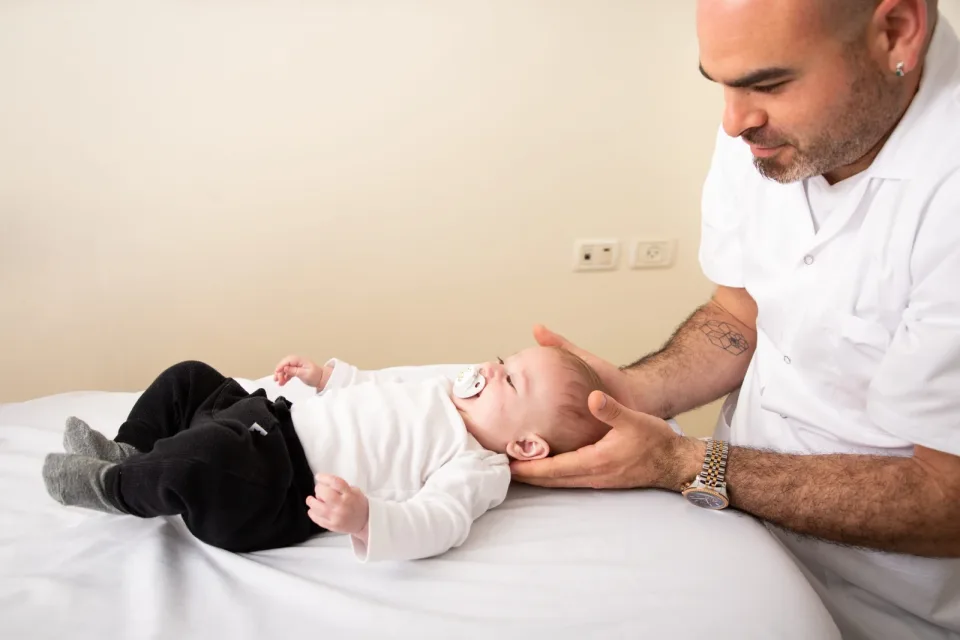
Migraine treatment by osteopath Roman Kibler

Cranial Osteopathy

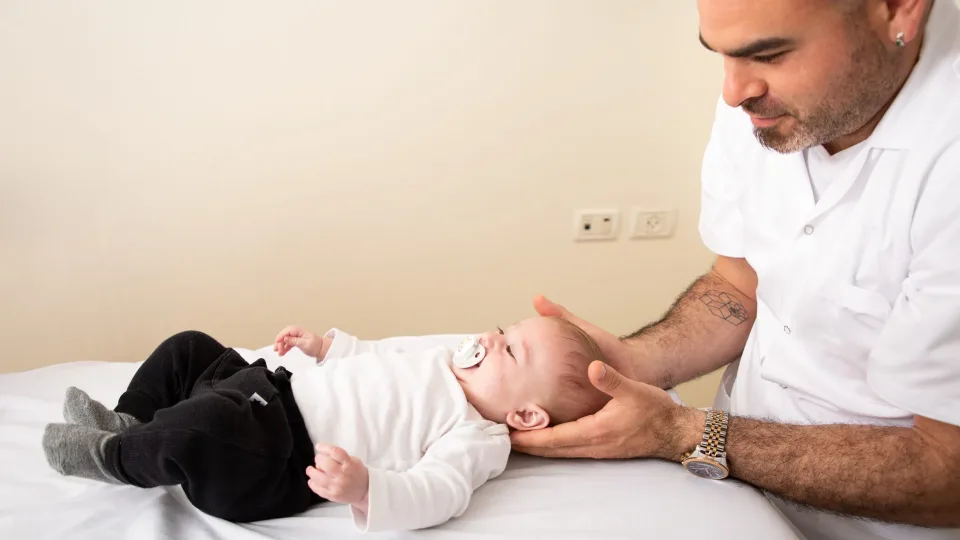
This field focuses on the cranial system‚ including the bones of the skull‚ the membranes and the sacrum‚ and uses a very gentle touch to reduce tension‚ although research on this field is still limited.

The Stages of Treatment

  1. A Thorough Interview

    Understanding the patient's medical history and daily routine

  2. Physical Examination

    Observation and palpation of the tissues‚ posture tests‚ orthopaedic and neurological tests

  3. Diagnosis

    Based on the findings of the examination

  4. Personal Treatment

    Pressure‚ mobilization‚ gentle joint manipulations‚ stretches and soft tissue work

  5. Home Exercise Guidance

    Tools for exercising at home as an integral‚ complementary part of the treatment
Why Choose Osteopathy?

  • Natural and safe treatment: The treatment is done with gentle manual techniques‚ without medication or chemicals. It is a safe treatment based on the understanding that the body can heal itself when it has the right support. Its effect is direct and focused‚ it helps restore mobility and balance to the body‚ and side effects‚ such as soreness or tiredness for a day or two‚ are usually mild and pass.
  • Tailored to you: Every treatment is adapted to the needs and the health of each patient personally. I carry out a thorough assessment of the patient's medical problems and lifestyle in order to understand the reasons behind the pain or the problem. Based on the findings‚ I build a treatment plan that focuses on the areas that need care‚ which brings the best possible results.
  • A real improvement in quality of life: The treatment aims to improve quality of life by relieving pain‚ improving function and reducing movement limitations. Patients report better everyday function‚ the ability to do normal activities without pain and a general improvement in their personal wellbeing.
  • Relief and a real solution: I focus on finding the source of the problem and not only on treating the symptoms. Using different techniques‚ such as manipulations‚ stretches and mobilization‚ I help relieve pain and also treat the factors that feed the problem. For many patients the result is relief that reduces the need for painkillers and improves quality of life over time.
  • A holistic approach to health: My approach is based on the principle that the body is one system working in harmony. I look at the whole picture of your health‚ including the structure of the body‚ the function of its different systems and the influence of lifestyle. My holistic approach focuses on achieving balance between all the different parts of the body‚ to support a better and more stable recovery.
More Details and Contact
A patient at osteopath Roman Kibler's clinic in the north

Frequently Asked Questions

What Is the Goal of Osteopathic Treatment?

To restore movement to the musculoskeletal system and the organs‚ and in this way to allow the body's balance and natural healing abilities to come into play.

Do You Feel Immediate Relief After Visiting an Osteopath?

Some patients feel relief right after the treatment. Sometimes it takes the body a few days to reach the full result of the treatment‚ and in some situations the improvement is gradual over several treatments.

Is Treatment With an Osteopath Recommended When You Are Not in Pain?

Some people also come for maintenance treatment‚ for example during periods of heavy strain at work or in training. It helps them keep moving comfortably and spot recurring strain patterns early.

Does Osteopathic Treatment Hurt?

As a rule‚ the treatment is gentle and attentive to the patient. In some cases there is minor soreness after the treatment that can last a day or two.In my article on osteopathy side effects I explain when such sensitivity is normal and when it should be checked.

What Should I Wear for Treatment at an Osteopath's Clinic?

Comfortable clothes that do not restrict movement. For women‚ it is better not to come in a dress or a skirt.

Do I Need to Bring Medical Documents to an Osteopath?

If you have medical diagnoses or test results (CT‚ MRI‚ US‚ EMG)‚ bring them to the first treatment.

How Long Does an Osteopathic Treatment Last?

The first treatment lasts about 60 minutes‚ and follow-up treatments about 45 minutes.

How Many Treatments With an Osteopath Will I Need‚ and How Often?

It depends on how severe the condition is. One or two treatments may be enough for mild problems‚ while chronic cases may need several treatments. At first the frequency is once a week or once every two weeks‚ and after that it is recommended to space the treatments out.

Is Osteopathic Treatment Covered by Insurance?

If you have private health insurance that includes a complementary medicine clause‚ you can usually get a refund.

What Do You Love Most About Your Profession?

Helping patients solve pain problems they have struggled with for a long time‚ and seeing the significant improvement in their quality of life.

Can I Get Osteopathic Treatment During Pregnancy?

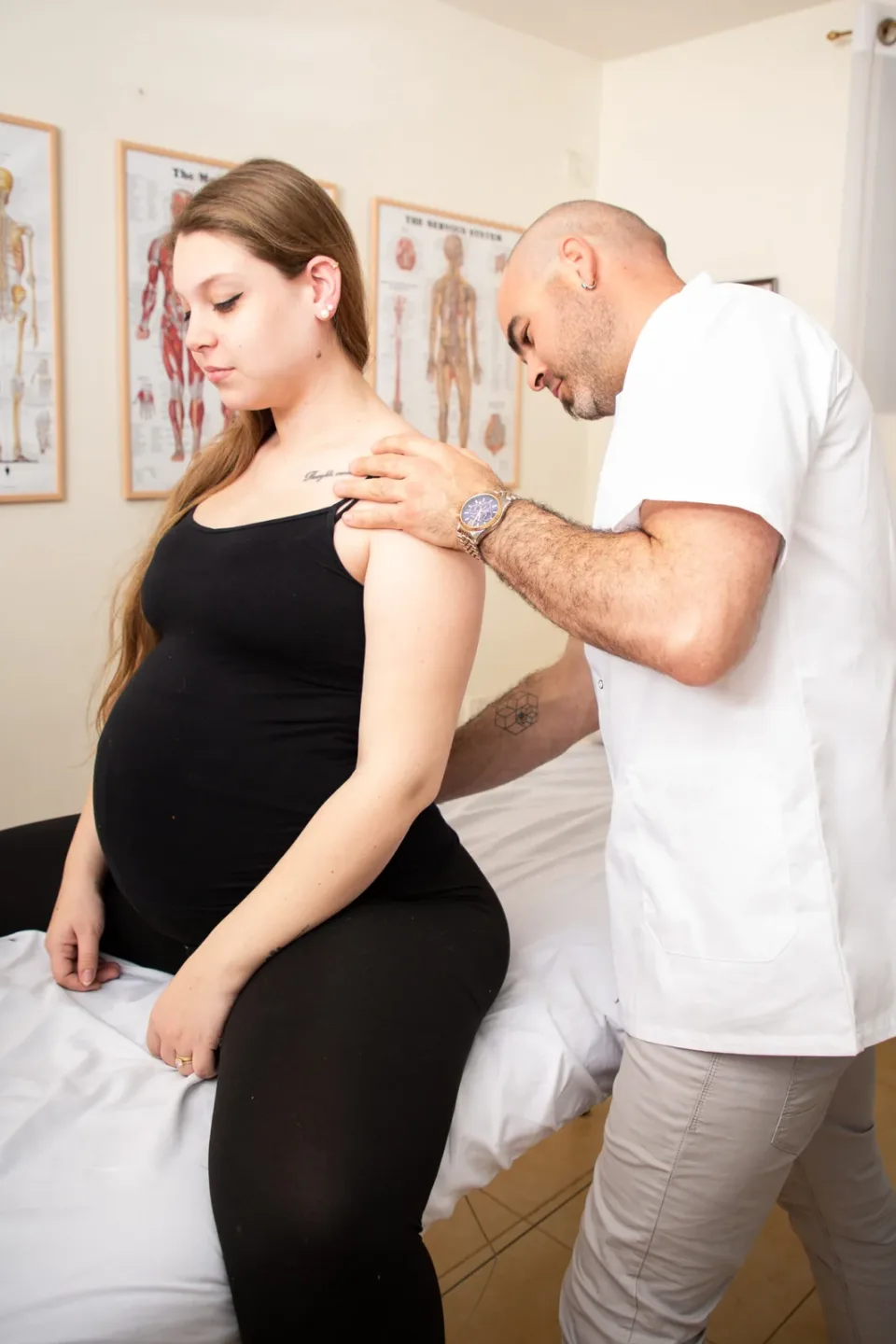
Yes. Pregnancy changes the body within a few months: the pelvis widens‚ the centre of gravity moves forward and the lower back carries a new load. Common reasons to come include pelvic pain during pregnancy‚ tailbone pain and sciatica‚ and the treatment is done in comfortable‚ safe positions‚ lying on the side or sitting.

What Kinds of Pain Do People Bring to an Osteopath in Tivon?

Many patients come with a locked back that has not released for several days‚ with pain radiating to the leg or with a stiff neck after hours at the computer. In such cases an osteopath checks not only the painful area but also the pelvis‚ the rib cage and the way you walk‚ because that is often where the source hides.Pain that runs from the lower back to the buttock and the leg may be sciatica‚ and sometimes the cause is a herniated disc. An osteopath does not replace a medical assessment in such cases. However‚ once the doctor has ruled out a condition that needs a different intervention‚ gentle manual treatment can ease the pain and gradually restore movement.

What Other Conditions Can Osteopathic Treatment Help With?

This kind of treatment also helps with conditions such as neck pain‚ shoulder pain‚ worn joints and sports injuries. Some patients report relief from tension headaches and sometimes also from migraines‚ since such headaches are sometimes influenced by tension in the neck or the spine.In my article on headache warning signs I list the signs that call for a medical assessment and what you can do alongside treatment.

What Is the Difference Between an Osteopath‚ a Physiotherapist and a Chiropractor?

A physiotherapist works mainly through exercise‚ strengthening and rehabilitation of movement‚ and a chiropractor focuses mainly on the spine and on manipulation of the vertebrae. Osteopaths work with the whole structure of the body: muscles‚ joints‚ connective tissue‚ internal organs and the bones of the skull‚ and look for the connection between the painful area and the rest of the body.There is no "good" and "bad" here: every approach has its place‚ and sometimes combining them gives the best result. You will find the full comparison in my article physiotherapy or osteopathy.

Does Every Treatment Use All the Fields of Osteopathy?

No. Osteopathy is not one technique but three fields that complement each other: structural‚ visceral and cranial. During the treatment I choose the combination that suits your condition and the way your body responds.

How Do You Choose a Recommended Osteopath?

In Israel there is no government licensing for the profession‚ so it is important to check the training of the therapist yourself. A recommended osteopath is first of all someone who studied osteopathy in a full programme of several years‚ with many hours of supervised clinical practice‚ and who is a member of the professional association.Beyond the training‚ pay attention to the way of working. A good osteopath starts with an interview and an examination‚ explains what they find‚ offers a plan with a reasonable number of treatments and knows when to refer you to a doctor. If you are looking for a recommended osteopath in Tivon or in the north‚ you are welcome to read my patients' reviews and see for yourself.

What Should You Ask an Osteopath Before the First Treatment?

Where did the osteopath study‚ how many years did the studies last and how many hours of clinical practice did they include?Have they already treated a condition similar to yours‚ and what was the approach?Roughly how many treatments are expected‚ and at what stage will you know whether there is progress?When will the osteopath refer you to a doctor or for further tests?An osteopath who knows the limits of the profession‚ and does not promise "healing in one treatment"‚ is usually also the one you will want to come back to.

Can an Osteopath Also Treat Pain That Has Lasted for Years?

Yes. Even chronic pain of many years often rests on movement patterns and compensations that can be changed gradually. Treatment in such cases takes longer and includes home exercise‚ and the improvement is measured in everyday function and not only in the intensity of the pain.

Where Is the Clinic‚ and Which Areas Do Patients Come From?

The clinic is at 6 Karkom Street in Kiryat Tivon. Patients come to it from Kiryat Tivon‚ Yokneam‚ Haifa and the Krayot and from all over the north. Appointments are booked in advance by phone or through the form on the website.

How Do I Know Whether Osteopathic Treatment Is Right for Me?

Every treatment starts with a conversation. Tell me what hurts‚ since when and what you have already tried‚ and I will tell you honestly whether an osteopath is the right address or whether it is better to start with another kind of check. Leave your details or call‚ and we will book an appointment at my clinic in Kiryat Tivon.

Photo Gallery

Contact