
Pelvic Pain During Pregnancy - Posterior Pain and Relief
9 min read
Does the back of your pelvis hurt when you walk‚ climb stairs or turn over in bed? Does the pain run down to your buttock and sometimes into your leg? Are you wondering whether this is a "normal" part of pregnancy‚ or whether something can be done to ease it?
I am Roman Kibler‚ an osteopath (D.O.) with a clinic in Kiryat Tivon‚ and I treat pelvic pain during pregnancy with gentle techniques adapted to every stage of pregnancy‚ together with guidance for moving at home.
Leave your details or call me‚ and I will check with you what is causing the pain and how we can ease it!
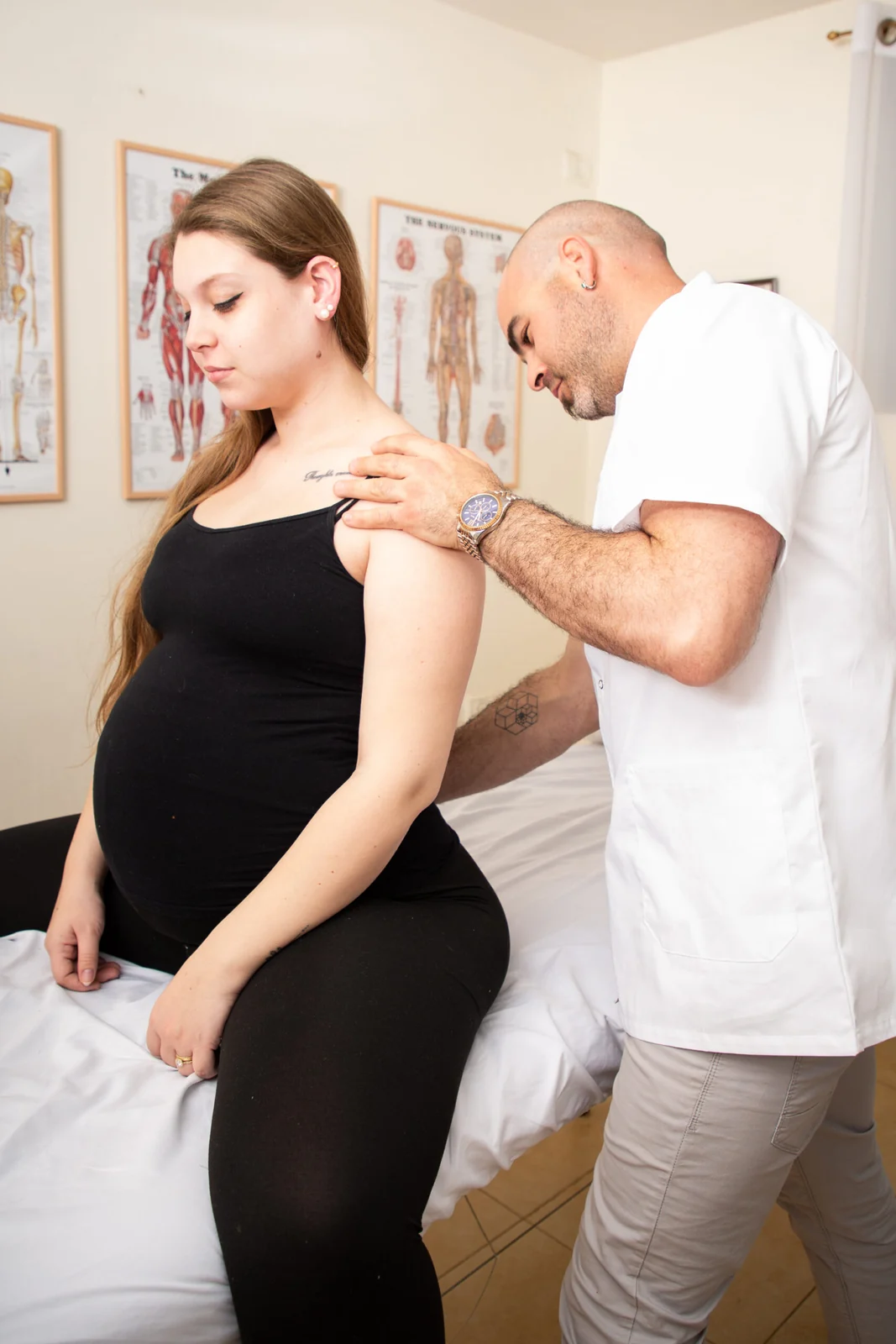
Pregnancy changes the body in its structure‚ posture and hormones‚ and one of the areas affected most is the pelvis. Many women report posterior pelvic pain in pregnancy‚ mainly in the later stages‚ but sometimes already in the first trimester.
Pelvic pain during pregnancy can sit on one side‚ spread to the buttock or radiate to the leg‚ and it gets worse when walking‚ climbing stairs or changing position in bed. To help in an accurate and safe way‚ it is important to understand what is behind it.
Why Does Pelvic Pain During Pregnancy Appear?
During pregnancy the body releases the hormone relaxin‚ which increases the flexibility of the pelvic ligaments in preparation for birth. At the same time‚ the weight gain and the growing uterus shift the center of gravity and create a new load on the pelvic joints and the lower back.
This combination explains why pelvic pain during pregnancy is so common. The ligaments are looser‚ the muscles have to work harder to stabilize‚ and every asymmetrical movement‚ such as standing on one leg‚ puts more load on the pelvis than before.
The Back Joints of the Pelvis
At the back of the pelvis there are two deep joints that connect the sacrum to the iliac bones‚ known in short as the SIJ‚ the sacroiliac joints. When they have relatively too much mobility or an uneven load‚ local pain develops‚ which gets worse with long standing or when moving from lying down to sitting.
Doctors call this sacroiliac joint pain in pregnancy‚ or SI joint pain in pregnancy. Sometimes this pelvic pain in pregnancy is sharp‚ and sometimes a dull pressure that radiates downward. Women often describe it as a painful "dimple" above the buttock‚ on one side or on both.
Posterior Pelvic Pain in Pregnancy: How Does It Feel?
Posterior pelvic pain in pregnancy is usually felt below the lower back‚ in the area of the joints between the sacrum and the ilium. It differs from "ordinary" back pain in that it sits lower and is sometimes felt deep in the buttock.
Situations in which pelvic pain while pregnant tends to get worse:
- Walking for a long time or taking big steps.
- Climbing stairs and standing on one leg‚ for example while putting on trousers.
- Turning over in bed from side to side.
- Getting up from a low chair or getting out of the car.
- Standing in one place for a long time.
When the pain goes lower‚ to the tailbone itself‚ and gets worse specifically when sitting‚ it may come from another source. This is explained in the article on tailbone pain during pregnancy.
Posterior Pelvic Pain in Pregnancy Versus Symphysiolysis
Many women describe general pelvic pain‚ but it is important to tell its types apart. Pelvic pain during pregnancy can come from the SIJ at the back‚ from the lower back or from the front joint of the pelvis‚ the symphysis pubis. Together these are often called pelvic girdle pain in pregnancy.
When the pain sits at the front of the pelvis and comes with a feeling of instability‚ difficulty spreading the legs or pain when lifting one leg‚ it may be a load on the front joint. You will find detailed information about this in the article on symphysiolysis.
It is important to diagnose the source of pregnancy pelvic pain correctly‚ because the treatment changes according to the structure involved. Some women have a combination of front and back pain‚ and then we work on both together.
Pelvic Pain in Pregnancy That Radiates to the Leg
In some situations posterior pelvic pain comes with pain radiating to the buttock or the leg‚ and sometimes also with numbness. These symptoms raise the question of nerve involvement‚ but it is not always a herniated disc or a significant nerve injury.
Pain that comes from the pelvic joints often radiates to the buttock and the back of the thigh without any pressure on a nerve‚ while pain radiating below the knee with numbness fits more with the involvement of the sciatic nerve. The distinction is made in the examination‚ and you can read about the differences between the conditions in the article on sciatica during pregnancy.
Weakness in the leg‚ a loss of sensation that spreads‚ difficulty controlling urine or stool‚ fever or strong pain after a fall require seeing a doctor right away. Regular contractions‚ bleeding or leaking waters together with pelvic pain in pregnancy are also a reason to go to the delivery room.
How Is Pelvic Pain During Pregnancy Diagnosed?
The diagnosis of pelvic pain during pregnancy starts with listening to how you describe the symptoms and with a physical examination that tells apart a back‚ front or lumbar source of the pain. As part of the examination‚ I rule out signs that require a medical assessment‚ such as fever‚ a direct injury or neurological weakness.
In the examination I assess the mobility of the pelvic joints‚ the muscle tension around them and the breathing and posture patterns. Sometimes it turns out that pregnancy pelvic pain comes from a combination of muscle imbalance‚ a load on one side and reduced mobility in the lower back.
Osteopathic Treatment for Posterior Pelvic Pain in Pregnancy
The osteopathic approach sees the pelvis as part of a movement chain that includes the spine‚ the hips‚ the pelvic floor and the diaphragm. Gentle work on the SIJ‚ on the soft tissues and on movement patterns can reduce pain and improve stability.
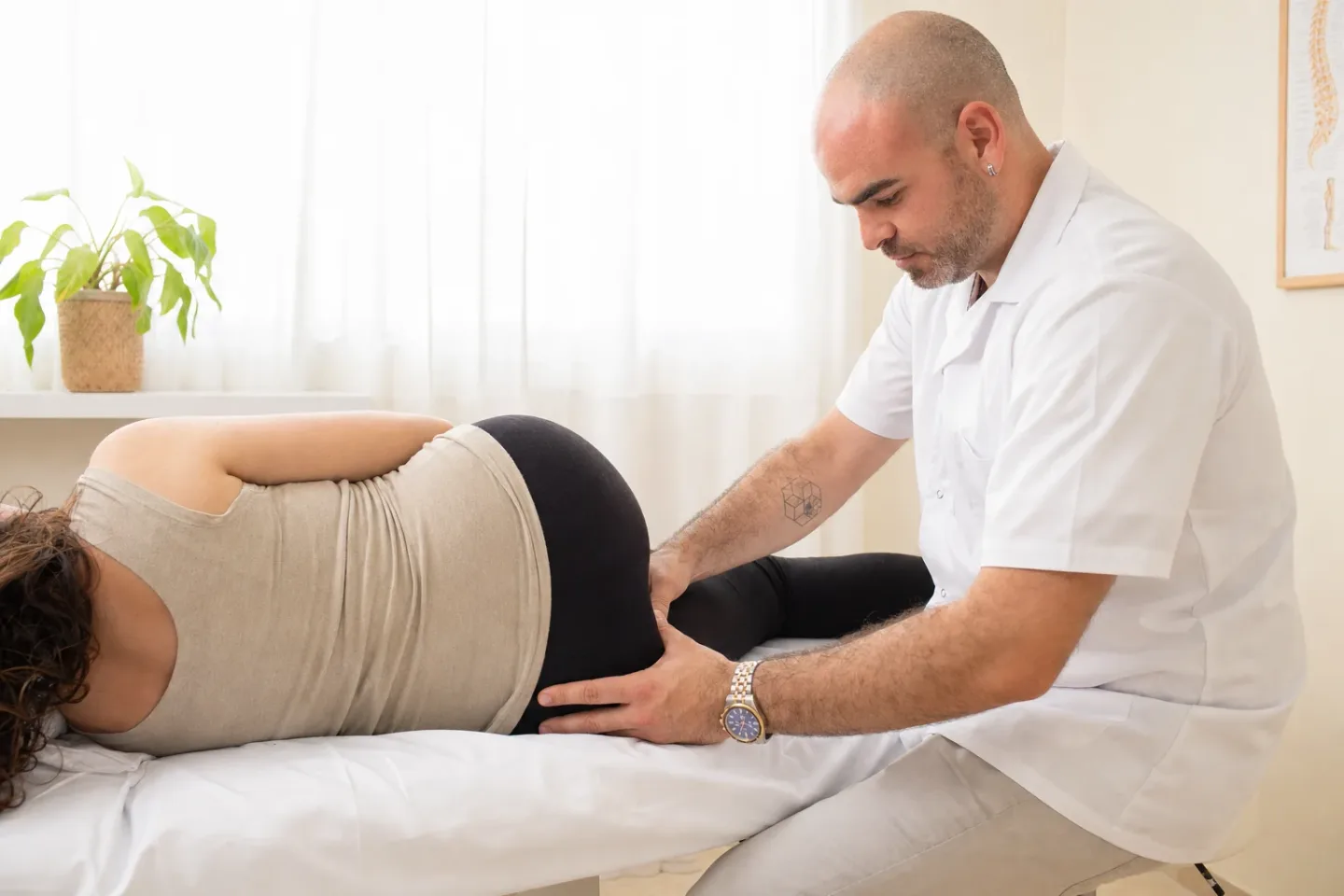
Treatment for pelvic pain during pregnancy does not include aggressive manipulations‚ but gentle techniques while lying on your side or sitting‚ adapted to your stage of pregnancy. The first session takes about an hour‚ and follow-up sessions take about 45 minutes.
Manual treatment does not replace pregnancy follow-up; it is added alongside it when there is no medical reason to avoid it. In many cases the combination of treatment‚ adjusting the load and movement guidance gradually improves the quality of life.
The Difference From the Accepted Medical Approach
Accepted medicine focuses first of all on ruling out dangerous conditions and on advice such as relative rest‚ a pelvic support belt or physiotherapy‚ and sometimes on painkillers allowed in pregnancy according to the doctor's decision. The osteopathic approach adds another question: how the whole body organizes itself around the pregnancy‚ and where the load that feeds the pain comes from.
What Does Care Throughout the Pregnancy Include?
The number of sessions for pelvic pain while pregnant varies from woman to woman and depends on how strong the pain is‚ the week of pregnancy and how the body responds to the first treatment. In every session I check the pelvis‚ the back and the hips again and update the home exercises according to what has changed.
A structured explanation of the approach‚ of safety in each trimester and of how it fits with your doctor's pregnancy follow-up is on the pregnancy osteopathy page. There you will also find what to bring to the first session and which questions are worth asking in advance.
What Helps at Home With Pelvic Pain While Pregnant?
- Sleeping on your side with a pillow between your knees‚ and if possible also under your belly.
- Turning over in bed with your knees together‚ as if the body moves as one block.
- Climbing stairs one step at a time‚ without skipping.
- Sitting down while putting on trousers and socks‚ instead of standing on one leg.
- Short walks and moderate activity adapted to pregnancy‚ instead of complete rest.
Gentle exercises to stabilize and strengthen the buttock muscles usually help with pelvic girdle pain relief and with posterior pelvic pain in pregnancy‚ but it is worth getting them adapted to you personally. Any exercise that makes the pain worse while you do it or on the following day should be stopped and checked.
Pelvic Pain During Pregnancy at Work and When Sitting for Long
Sitting at a computer for a long time or driving for long distances loads the back pelvic joints‚ especially when sitting with crossed legs or leaning to one side. It is better to sit with both feet on the floor‚ the knees slightly lower than the hips and the back supported.
A short break every half hour to an hour‚ with a few steps and gentle movement of the pelvis‚ usually reduces the stiffness. When getting into the car‚ it helps to sit down first and only then bring both legs in together‚ without twisting the pelvis to one side.
Pelvic Pain During Pregnancy: The Bottom Line
Pelvic pain during pregnancy is a common condition that comes from a combination of hormonal changes‚ mechanical load and changes in posture. An accurate diagnosis helps tell apart the involvement of the SIJ‚ a problem in the front joint and nerve-related radiating pain.
When there are no warning signs‚ gentle treatment and movement guidance can reduce the pain and allow a more active pregnancy. If you are looking for an osteopath in Kiryat Tivon who treats pregnant women‚ you can book an examination at the clinic.
Frequently asked questions
Is pelvic pain during pregnancy dangerous for the baby?
Mechanical pelvic pain does not endanger the baby‚ but it can make everyday life very difficult. Pain that comes with contractions‚ bleeding‚ leaking waters or fever requires an immediate check.
Is osteopathic treatment safe in pregnancy?
Gentle treatment adapted to the stage of pregnancy suits most women who suffer from pelvic pain during pregnancy. Before the treatment I ask about the course of the pregnancy‚ and in case of a known complication we consult your doctor.
Does posterior pelvic pain in pregnancy pass after the birth?
For most women pelvic pain in pregnancy eases gradually in the weeks and months after the birth. If it continues‚ it is worth checking the stability of the pelvis and the pelvic floor.
Does a pelvic support belt help?
For some women with pelvic pain during pregnancy‚ a pelvic belt makes walking and standing easier. It is best used as an addition to movement and strengthening‚ not as a substitute for them.
Does pelvic pain in pregnancy affect the birth?
Most women with pregnancy pelvic pain give birth normally. Tell the team in the delivery room about the pain‚ so they can help you find positions that do not make it worse.
Will posterior pelvic pain come back in my next pregnancy?
For some women the pain returns in another pregnancy‚ but not always. Strengthening between pregnancies‚ regular movement and coming early in the next pregnancy help you cope better.
How should I sleep with pelvic pain while pregnant?
It is usually most comfortable to lie on your side with a pillow between your knees and between your ankles‚ so that both legs stay parallel. When turning over‚ do it slowly and with your knees together.
From which week can I come for treatment?
You can come at any stage of pregnancy‚ and the techniques and positions are adapted to your week and your comfort. Some private insurance companies refund part of the cost of the treatment.
Table of Contents
- Why Does Pelvic Pain During Pregnancy Appear?
- The Back Joints of the Pelvis
- Posterior Pelvic Pain in Pregnancy: How Does It Feel?
- Posterior Pelvic Pain in Pregnancy Versus Symphysiolysis
- Pelvic Pain in Pregnancy That Radiates to the Leg
- How Is Pelvic Pain During Pregnancy Diagnosed?
- Osteopathic Treatment for Posterior Pelvic Pain in Pregnancy
- The Difference From the Accepted Medical Approach
- What Does Care Throughout the Pregnancy Include?
- What Helps at Home With Pelvic Pain While Pregnant?
- Pelvic Pain During Pregnancy at Work and When Sitting for Long
- Pelvic Pain During Pregnancy: The Bottom Line
- Frequently asked questions
