
Tailbone Pain During Pregnancy - Causes and Ways to Ease It
13 min read
Does it hurt to sit for more than a few minutes‚ and does every time you get up from a chair feel like an operation? Does the pain at the very bottom of your back get worse precisely when you try to rest? Are you wondering whether tailbone pain during pregnancy is a "normal" part of pregnancy‚ or whether something can be done?
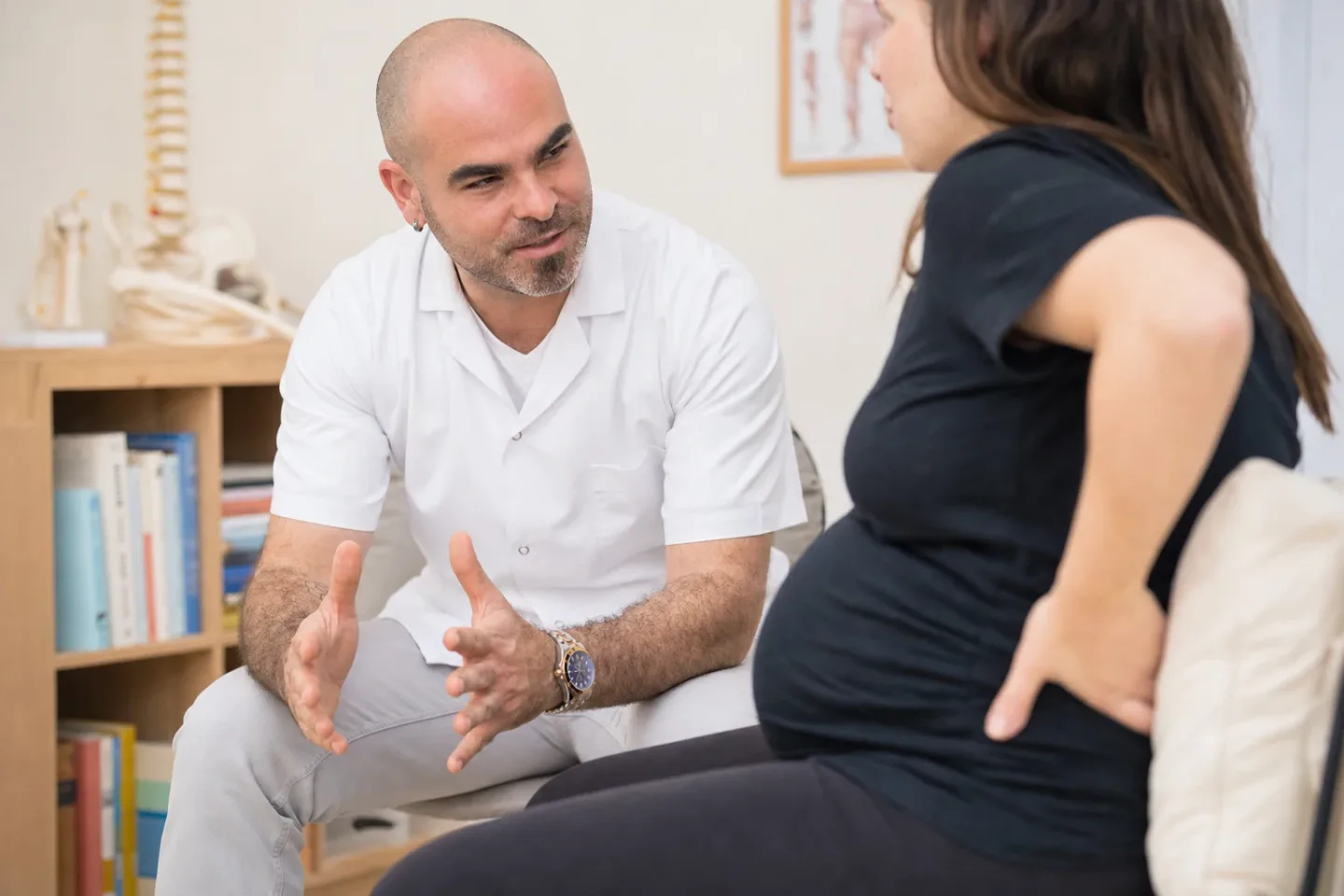
I am Roman Kibler‚ an osteopath D.O. in Kiryat Tivon‚ and I treat pregnant women with gentle techniques adapted to each stage‚ examining the whole pelvis and not only the painful spot.
Leave your details or call me‚ and together we will check what is loading your tailbone and how it can be eased!
The tailbone‚ or coccyx‚ is the small bone at the lower end of the spine‚ below the sacrum. It takes part in sitting‚ and it serves as an anchor point for the pelvic floor muscles‚ ligaments and buttock muscles.
In pregnancy the body changes quickly: the centre of gravity moves forward‚ the belly grows‚ the ligaments soften under the influence of hormones and the pelvis prepares for birth. All of these can turn even a small area like the tailbone into a source of pain that interferes with sitting‚ getting up‚ walking and sleeping.
Tailbone pain during pregnancy is not always a problem in the bone itself. It is often related to the pelvic joints‚ to tension in the pelvic floor and buttock muscles‚ or to a sitting pattern that puts repeated pressure on the same point. That is why relief from tailbone pain in pregnancy starts with understanding the whole pelvis‚ and the way you sit‚ get up‚ sleep and move during the day‚ at home and at work.
What Is Tailbone Pain During Pregnancy and Why Does It Appear?
Tailbone pain during pregnancy can appear at any stage‚ but it is especially common in the second and third trimesters‚ when weight increases and the pelvis becomes more flexible. Tailbone pain in the third trimester is often the strongest‚ and in some women the pain continues in the weeks after birth as well.
What Does Tailbone Pain in Pregnancy Feel Like?
Tailbone pain in pregnancy can be sharp‚ dull‚ burning or pressing‚ and it is located at the lower end of the back‚ between the buttocks. It usually gets worse with long sitting‚ sitting on a hard surface‚ moving from sitting to standing and turning over in bed.
Some women feel tenderness at one point when touched‚ and others describe a "stabbing" feeling when they lean back. Sometimes tailbone pain while pregnant also increases during bowel movements or intercourse‚ because of the connection between the tailbone and the pelvic floor muscles.
The Common Causes of Tailbone Pain During Pregnancy
- Hormones that soften the ligaments around the pelvis and the tailbone.
- A change in the centre of gravity and a deeper curve in the lower back.
- Pressure from the growing uterus and the baby's weight on the pelvis.
- Long sitting‚ especially leaning back onto the tailbone.
- Tension in the pelvic floor and buttock muscles.
- An old injury to the tailbone or a difficult previous birth.
In most women tailbone pain during pregnancy comes from a combination of several such factors‚ so relief also combines several simple steps.
Tailbone Pain in Pregnancy Versus Other Pelvic Pain
The lower back and the pelvis are made up of structures that are very close to each other: the tailbone‚ the sacrum‚ the posterior pelvic joints‚ the pubic joint at the front of the pelvis‚ the pelvic floor muscles and the hips. So it is not always easy to know whether tailbone pain in pregnancy really comes from the tailbone or from a nearby area.
The Back of the Pelvis and the Buttocks
Deep pain on one side of the lower back or in the buttock sometimes comes from the posterior pelvic joints‚ where the sacrum joins the pelvic bones. When posterior pelvic pain in pregnancy develops‚ the sensation can be very close to the tailbone‚ even when the source of the pain is different.
The distinction matters‚ because pain at the back of the pelvis responds well to stabilization and a pelvic belt‚ while pregnancy tailbone pain responds mainly to changes in sitting. A gentle examination can usually identify where the pain comes from‚ and I adapt the guidance accordingly.
In some women the pain is felt more in the buttock muscles themselves‚ especially when walking or standing on one leg. I have written separately about this situation‚ in which buttock pain during pregnancy appears‚ because the guidance for it is a little different.
A sign that helps tell them apart: tailbone pain while pregnant is felt mainly when sitting and getting up‚ at one point at the end of the back‚ while pain in the buttock muscles is felt more when walking and climbing stairs. Sometimes both pains appear together‚ and then I treat both.
Pain That Radiates to the Leg
Pain that runs from the buttock down the leg‚ with an electric or numb sensation‚ may suggest irritation of the sciatic nerve. In such a case it is worth reading about sciatica during pregnancy‚ and telling your doctor if there is weakness in the leg or numbness that spreads.
The Front of the Pelvis‚ the Groin and Symphysiolysis
Pain at the front of the pelvis‚ at the pubic bone or in the inner thigh feels different from tailbone pain during pregnancy‚ but both conditions are related to the same system of loads. A woman who avoids stepping fully because of pain at the front sits and gets up differently‚ and puts more load on the end of the spine.
When groin pain in pregnancy appears‚ I check the inner thigh muscles‚ the pubic joint and posture. When the pain is focused in the pubic joint itself‚ it may be symphysiolysis.
When there is both pain at the front and tailbone pain in pregnancy‚ the goal is to stabilize the whole pelvis and not to treat only one side. Symmetrical movements‚ smaller steps and slow transitions between positions ease both areas together.
If you are looking for relief for symphysiolysis‚ you will find that the recommendations are similar: get out of bed with your knees together‚ avoid spreading your legs wide‚ move slowly between positions and put a pillow between your knees when lying down.
Tailbone Pain During Pregnancy‚ the Back and the Legs
As pregnancy progresses‚ the lower back compensates for the change in the centre of gravity and the weight gain. An increased arch forms‚ the hip muscles tighten and the walking pattern changes‚ and when the back is tired‚ the end of the spine also takes more pressure.
When back pain during pregnancy and leg pain appear alongside tailbone pain during pregnancy‚ it is not always one problem. Sometimes the leg pain comes from muscle tension‚ sometimes from pain radiating from the back or the pelvis‚ and sometimes from a change in posture.
Gentle strengthening of the deep abdominal and buttock muscles‚ with your doctor's approval and guidance suitable for pregnancy‚ helps the back and the pelvis carry the growing weight. When the back and the pelvis are more stable‚ tailbone pain in pregnancy also tends to ease‚ because the load is distributed better.
A shorter step‚ uneven stepping or avoiding a certain movement put load on the calves and knees. If leg pain in pregnancy appears with swelling on one side‚ redness‚ local warmth or shortness of breath‚ see a doctor urgently‚ because not every leg pain in pregnancy is a muscle problem.
What Helps Tailbone Pain During Pregnancy at Home?
Most relief from pregnancy tailbone pain comes from small adjustments to your routine. The goal is not to stop moving‚ but to find positions and movements that do not increase the pain.
Sitting Well When You Have Tailbone Pain During Pregnancy
Sit slightly forward on your sitting bones‚ not leaning back onto the end of your back. A chair at a height that lets your knees be slightly lower than your hips reduces pressure‚ and it is worth getting up and moving every half hour.
A wedge cushion or a cushion with a cut-out at the back takes the pressure off the end of the back for many women. A cushion that is too soft‚ on the other hand‚ makes you sink and can actually increase tailbone pain in pregnancy.
On a long car journey‚ move the seat slightly forward‚ put a small cushion behind your lower back and stop for a short walk every hour. In office work‚ a chair with a backrest that supports the lower back‚ a desk at a height that lets you sit upright and regular breaks for standing all help.
A woman with tailbone pain while pregnant who works for hours at a computer can ask her workplace for simple adjustments‚ such as a suitable chair or the option to work standing for part of the time. Small changes like these take the pressure off the end of the back throughout the day.
Sleeping and Getting Up With Tailbone Pain in Pregnancy
When lying on your side‚ a pillow between your knees and perhaps a long pregnancy pillow help the pelvis stay balanced. When getting out of bed‚ roll onto your side first‚ and only then lift your body with the help of your arms‚ instead of sitting straight up.
Gentle Exercises for Tailbone Pain During Pregnancy
Relaxed walking‚ swimming‚ pelvic rocking on all fours and sitting on a birth ball ease tailbone pain during pregnancy for many women. Avoid sudden movements‚ spreading your legs wide and standing on one leg for a long time.
Local warmth‚ such as a warm shower‚ relaxes the muscles around the pelvis for some women. Any pain medication in pregnancy is taken only after consulting your doctor.
Osteopathic Treatment for Tailbone Pain During Pregnancy
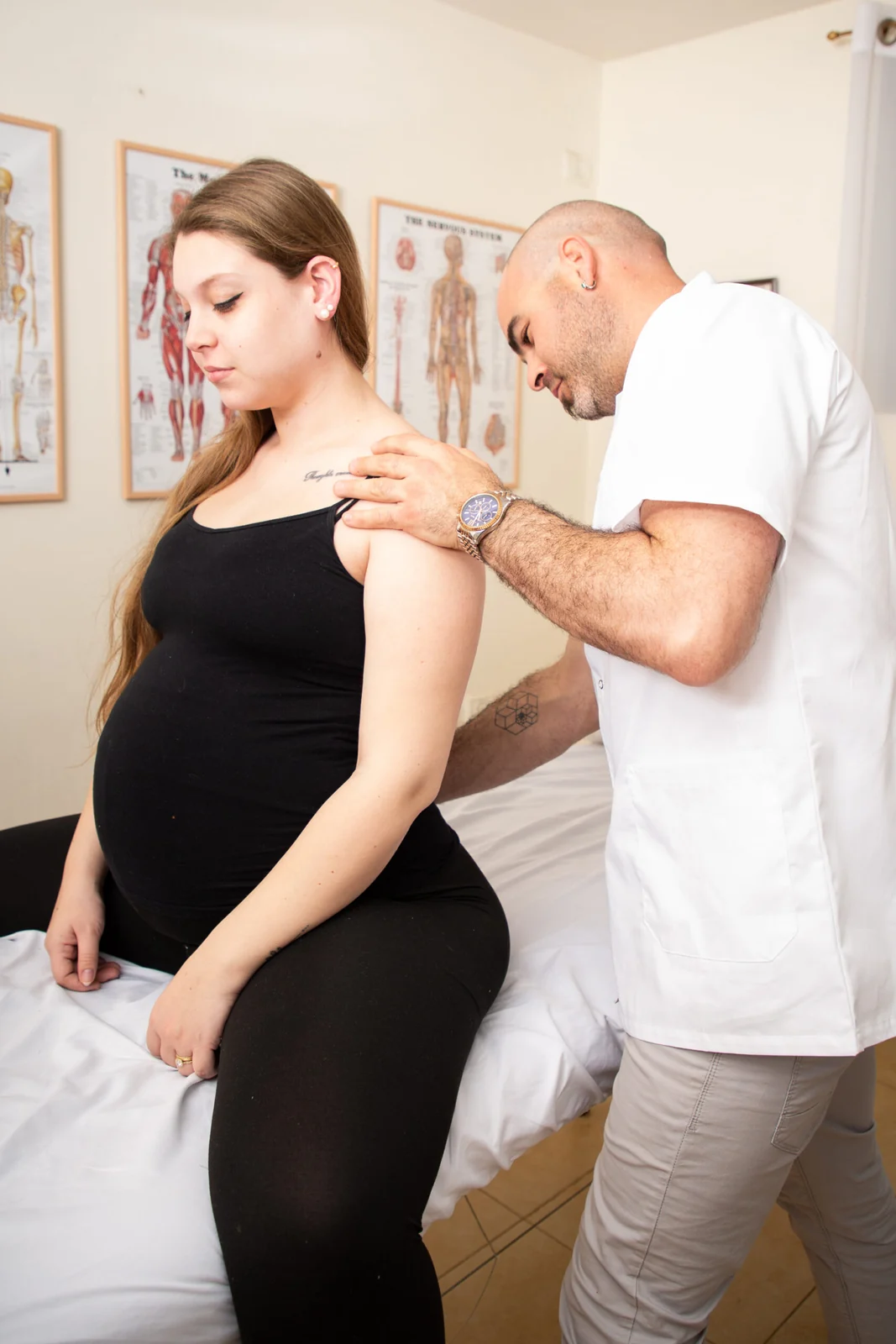
When the adjustments at home are not enough for tailbone pain while pregnant‚ gentle manual treatment can help. The treatment is adapted to the stage of pregnancy and done in comfortable positions‚ lying on the side or sitting‚ without pressure on the belly.
The Examination at the First Session
At the first session I ask when the pain started‚ what makes it worse and what eases it‚ and whether there was a fall or a difficult previous birth. Then I check the mobility of the pelvis‚ the lower back‚ the hips and the diaphragm‚ and the tension in the buttock muscles.
The Treatment Itself
No force is used on the tailbone and there is no aggressive treatment. The work is gentle: releasing the tissues around the pelvis‚ improving movement in the lower back and the pelvic joints‚ and breathing work that eases the pelvic floor.
A large part of the treatment for pregnancy tailbone pain is guidance: how to sit‚ get up‚ turn over in bed and lift things. The first treatment lasts about an hour‚ follow-up treatments about 45 minutes‚ and some private insurance policies refund part of the cost.
Combining With Medical Follow-Up
Osteopathic treatment does not replace follow-up with your gynaecologist or midwife. It works alongside it‚ and with any unusual finding I refer you to the doctor before continuing.
Many women come for treatment only in the last weeks‚ after suffering for months. There is no reason to wait: when tailbone pain in pregnancy starts to interfere with sleep‚ work or sitting in the car‚ that is the time to check what can be improved.
If you are looking for an osteopath in Kiryat Tivon‚ you will find my clinic at 6 Karkom Street in Kiryat Tivon. I studied osteopathy for five years‚ including 1,000 clinical hours‚ and I have been working as an osteopath at Maccabi Tivi since 2022.
Tailbone Pain in Pregnancy and After Birth
In the third trimester‚ when the baby's head descends into the pelvis‚ some women feel growing pressure around the tailbone. This tailbone pain in pregnancy is common and usually not dangerous‚ but it is worth mentioning at your pregnancy check-ups.
During birth the tailbone moves backwards to make room for the baby. After a long labour or an assisted delivery‚ tailbone pain after birth can last for a few weeks‚ and it usually eases gradually.
When tailbone pain postpartum lasts more than a few weeks‚ makes it hard to sit while breastfeeding or gets worse‚ it is worth going for a check. Gentle treatment after birth can help the pelvis and the pelvic floor return to comfortable function.
Getting Back to Routine After Birth
In the first weeks after birth‚ sit on a cushion with a cut-out‚ breastfeed lying on your side when possible and avoid long sitting on a hard surface. Short walks and gentle pelvic floor exercises‚ as guided by the medical team‚ help the pelvis recover.
If the pain does not ease after six weeks‚ or it interferes with caring for the baby‚ go back to the doctor and consider adapted treatment. A woman who had tailbone pain during pregnancy can start her recovery already in this period‚ at her own pace.
When Does Tailbone Pain During Pregnancy Need a Medical Check?
Tailbone pain during pregnancy that appears gradually and gets worse with sitting or movement usually fits a mechanical picture. But there are situations in which adjustments and manual treatment are not enough‚ and you see a doctor first.
- Pain after a fall or a direct injury to the area.
- Very strong pain‚ or pain that gets worse quickly.
- Numbness or weakness in the leg‚ or a change in bladder or bowel control.
- Fever‚ a general feeling of being unwell or early contractions.
- Lower back pain that comes in regular waves‚ with tightening of the belly.
During pregnancy‚ caution comes first. A responsible osteopath adapts the touch to the stage of pregnancy and to your health‚ and refers you to a doctor when the picture does not fit conservative care.
The Bottom Line: The Pain Can Be Eased
Tailbone pain during pregnancy comes from a combination of hormones‚ changes in posture‚ load on the pelvis and muscle tension. It is common‚ but you do not have to suffer in silence: sitting well‚ a suitable cushion‚ gentle movement and adapted manual treatment ease it for many women.
Remember that tailbone pain in pregnancy changes from week to week‚ together with your body. What helped in the fifth month will not always help in the ninth‚ so it is worth updating your habits‚ your cushion and your exercises along the way.
When warning signs appear‚ see a doctor first. And when the pain is mechanical and interferes with your routine‚ a gentle examination of the whole pelvis can help you go through pregnancy more comfortably.
Frequently asked questions
Is Tailbone Pain During Pregnancy Dangerous for the Baby?
Usually not. Tailbone pain during pregnancy is mechanical pain in the pelvic area‚ which does not affect the baby. Pain with contractions‚ bleeding‚ fever or your waters breaking requires going to a doctor or the delivery room immediately.
When Does Tailbone Pain During Pregnancy Start?
It can start at any stage‚ but it is more common from the second trimester‚ when weight increases and the ligaments soften. In some women it appears only in the last weeks.
Does Tailbone Pain in Pregnancy Go Away After Birth?
In most women the pain eases in the weeks after birth. If it continues or gets worse‚ it is worth having a check with a doctor and then adapted treatment.
Which Cushion Suits Tailbone Pain During Pregnancy?
Usually a wedge cushion or a cushion with a cut-out at the back‚ which takes the pressure off the painful area. It is worth trying a few types and choosing the one that eases the pain for you‚ not a cushion that is too soft.
Can I Have Osteopathic Treatment While Pregnant?
Yes‚ with gentle techniques adapted to the stage of pregnancy and after the doctor has found no reason not to. The treatment is done in comfortable positions and without pressure on the belly.
Does Tailbone Pain in Pregnancy Affect the Birth?
Usually not. Tell the delivery room team about the pain‚ so that they can help you choose comfortable positions during labour.
Does a Birth Ball Help Tailbone Pain While Pregnant?
For many women‚ sitting on a ball with gentle pelvic movement eases the pressure. It is important to choose a ball of the right size and to sit with your feet stable on the floor.
Can Tailbone Pain in Pregnancy Appear in the First Trimester?
Yes‚ in some women‚ especially when there is an old injury to the tailbone or a difficult previous birth. The hormones that soften the ligaments work from the start of pregnancy‚ so tailbone pain in early pregnancy is possible.
Can I Do Yoga With Tailbone Pain in Pregnancy?
Pregnancy yoga with a qualified instructor helps many women. Skip positions that load the area directly or require spreading the legs wide‚ and stop with any sharp pain.
Does a Pregnancy Belt Help?
A support belt for the belly and pelvis helps some women with tailbone pain in pregnancy‚ especially when there is also pain at the back of the pelvis or in the lower back. It does not suit everyone‚ so choose it with a professional and do not wear it all day without a break‚ so that your muscles keep working on their own.
Does Walking Make Tailbone Pain While Pregnant Worse?
Usually relaxed walking actually helps‚ because it moves the pelvis and reduces sitting time. If walking triggers sharp pain in the pelvis‚ shorten the route and choose a slower‚ more comfortable pace.
How Many Treatments Are Needed for Tailbone Pain During Pregnancy?
Some women feel relief after one or two treatments‚ while for others the change is more gradual. What comes next is decided according to your response and your stage of pregnancy.
Table of Contents
- What Is Tailbone Pain During Pregnancy and Why Does It Appear?
- What Does Tailbone Pain in Pregnancy Feel Like?
- The Common Causes of Tailbone Pain During Pregnancy
- Tailbone Pain in Pregnancy Versus Other Pelvic Pain
- The Back of the Pelvis and the Buttocks
- Pain That Radiates to the Leg
- The Front of the Pelvis‚ the Groin and Symphysiolysis
- Tailbone Pain During Pregnancy‚ the Back and the Legs
- What Helps Tailbone Pain During Pregnancy at Home?
- Sitting Well When You Have Tailbone Pain During Pregnancy
- Sleeping and Getting Up With Tailbone Pain in Pregnancy
- Gentle Exercises for Tailbone Pain During Pregnancy
- Osteopathic Treatment for Tailbone Pain During Pregnancy
- The Examination at the First Session
- The Treatment Itself
- Combining With Medical Follow-Up
- Tailbone Pain in Pregnancy and After Birth
- Getting Back to Routine After Birth
- When Does Tailbone Pain During Pregnancy Need a Medical Check?
- The Bottom Line: The Pain Can Be Eased
- Frequently asked questions
