
Groin Pain During Pregnancy - Causes and Gentle Relief
15 min read
Does groin pain during pregnancy turn every time you get out of bed or climb the stairs into a mission? Is it a sharp pain on one side‚ or a heavy feeling of pressure that gets worse as the pregnancy goes on? And how do you know whether it is just another normal change in your body or a sign that needs checking?
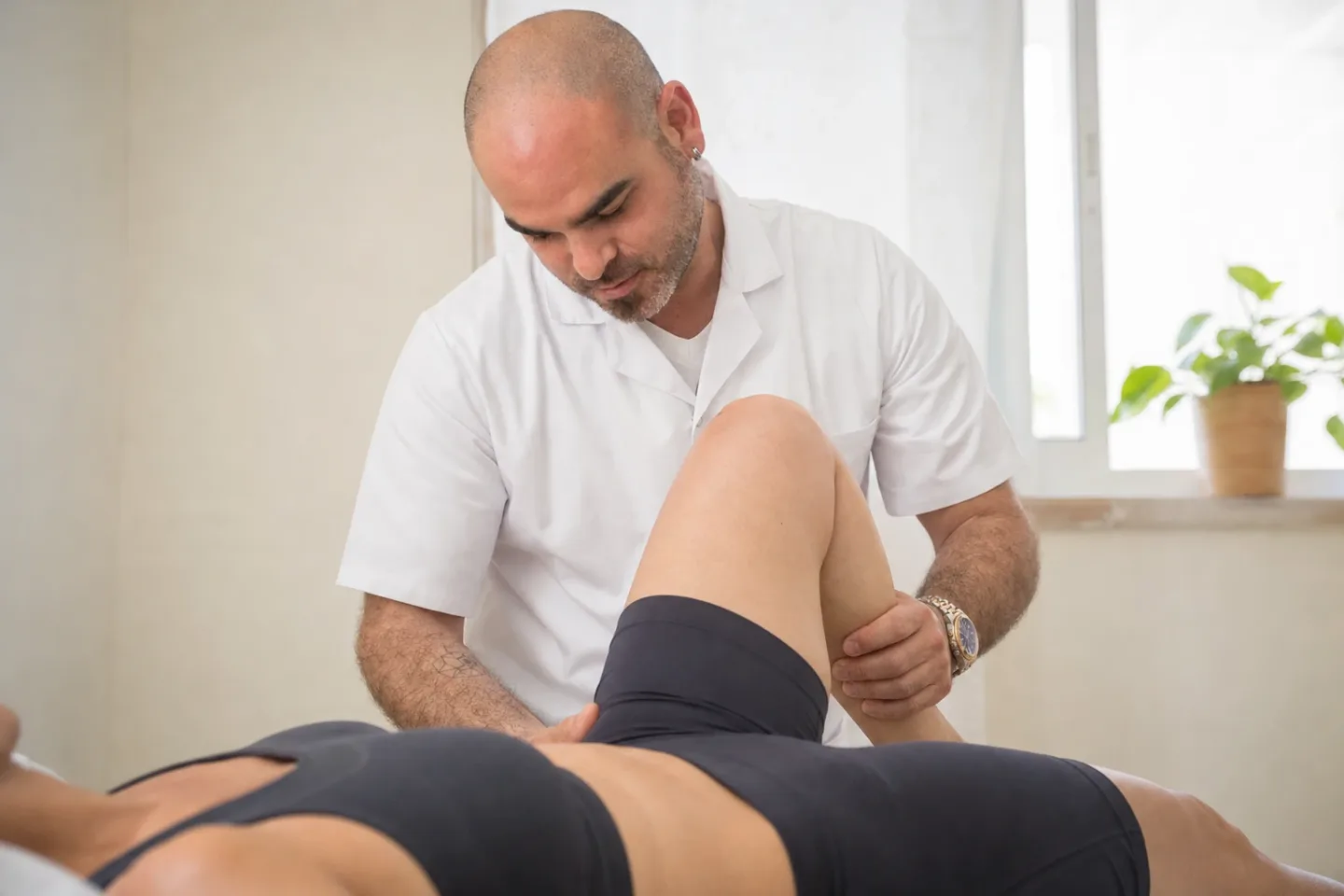
I'm Roman Kibler‚ an osteopath (D.O.) with a clinic in Kiryat Tivon‚ and I treat women during pregnancy and after birth with gentle techniques suited to every stage of pregnancy.
Leave your details or call me‚ and I'll check with you what is overloading your pelvis and groin and how I can make things easier for you from the very first treatment!
Groin pain can appear for many different reasons‚ and groin pain during pregnancy is especially confusing. Your body goes through natural changes: the uterus grows‚ the center of gravity shifts forward‚ the pelvis becomes more flexible‚ and the loads on the thigh muscles‚ the back and the pelvic floor change almost from week to week.
On the other hand‚ not all pregnancy groin pain is "just a normal part of pregnancy"‚ and no pain should simply go unchecked. The difference between a temporary load and a condition that needs treatment or an assessment depends on where the pain is‚ how strong it is‚ how it appears and which symptoms come with it.
For some women groin pain while pregnant appears when walking‚ climbing stairs or moving from sitting to standing‚ and for others mainly when turning over in bed‚ lifting a leg or standing for a long time. Sometimes it is sharp and focused at the front of the pelvis‚ sometimes dull‚ and sometimes it travels to the thigh‚ the buttock or the lower back.
Groin Pain During Pregnancy - Why Does It Happen?
During pregnancy your body adapts to extra weight and to changes in posture. The center of gravity moves forward‚ the lower back and pelvis have to compensate‚ and the inner thigh muscles work harder to stabilize the body with every step. That is why groin pain during pregnancy is a very common complaint‚ especially from the second trimester onward.
Hormones‚ Ligaments and a More Flexible Pelvis
Hormonal changes soften the ligaments and connective tissues as part of the body's preparation for birth. The combination of greater flexibility and mechanical load often creates groin pain in pregnancy‚ mainly when the pelvis finds it hard to spread the load evenly between the two sides.
The round ligaments of the uterus‚ which run from the uterus to the groin area‚ stretch as the uterus grows. This stretch causes a common type of groin pain during pregnancy‚ known as round ligament pain in pregnancy: a short‚ sharp stab on one side when you get up quickly‚ cough or turn over‚ which usually passes within seconds.
When Does the Pelvis Widen and What Does It Do to the Groin?
The pelvis starts to change at early stages‚ and the process intensifies toward the end of pregnancy. If you want to understand the timeline and the sensations that come with it‚ you will find a detailed explanation in the article on when the pelvis widens in pregnancy‚ including ways to make the process easier.
Groin pain during pregnancy does not always come from a single source. Sometimes it is tension in the groin muscles‚ sometimes load on the pelvic joints‚ and sometimes pain that comes from the lower back or the pubic bone‚ so it is important to check the whole movement and not only the painful spot.
Groin Pain in Pregnancy or Pelvic Pressure in Pregnancy?
There is a difference between a sharp‚ focused pain and a feeling of pressure. Groin pain in pregnancy usually appears with a specific movement‚ such as turning over in bed‚ stepping up a stair or standing on one leg while putting on trousers.
Pelvic pressure in pregnancy is felt more when standing for a long time‚ at the end of a long day or at later stages of pregnancy. Pelvic pressure in pregnancy is related to mechanical load‚ the position of the baby‚ changes in posture or tension in the tissues at the front of the pelvis.
Groin Pressure in Pregnancy That Needs a Check-Up
New‚ strong pressure before week 37‚ especially when it comes in waves and is accompanied by abdominal or back pain‚ increased discharge or bleeding‚ can be a sign of preterm contractions and requires you to contact your doctor or the labor ward immediately. When there are no such signs‚ changes of position‚ movement guidance and gentle hands-on treatment can bring relief.
Pregnancy Groin Pain on Both Sides
Pregnancy groin pain on both sides sometimes appears together with a feeling of heaviness in the pelvis‚ difficulty walking or pain when changing positions. When the pelvis cannot spread loads evenly‚ the inner thigh muscles‚ the pelvic joints and the lower back work harder.
Groin pain while pregnant of this kind often appears together with pelvic pain during pregnancy‚ mainly when it is hard to stand for long or to turn over in bed. In these cases I check how the pelvis‚ back‚ hips and breathing move‚ because each of them affects the load that reaches the groin.
Pain at the Front of the Pelvis and the Symphysis
When groin pain during pregnancy sits at the front of the pelvis‚ close to the pubic bone‚ there may be a load on the pubic symphysis area. The pain gets worse when walking‚ climbing stairs‚ standing on one leg or turning over in bed‚ and sometimes the pelvis feels "unstable".
Telling pregnancy groin pain from a muscle load apart from pain that comes from the symphysis matters‚ because the guidance is different. You will find an explanation of the symptoms and ways to ease them in the article on symphysiolysis‚ which also explains when your daily activity needs to be adjusted.
Groin Pain in the Third Trimester and at 38 Weeks
Toward the end of pregnancy the load on the pelvis increases‚ and groin pain in pregnancy naturally gets stronger. Groin pain in the third trimester‚ and especially in the ninth month‚ is very common‚ because the baby's head descends into the pelvis‚ the weight increases and the body prepares for birth.
Many women describe groin pain at 38 weeks pregnant as a feeling of pressure‚ pulling or pain at the front of the pelvis‚ mainly when walking and getting up. Even so‚ at a late stage you should not ignore groin pain in pregnancy that is unusual or getting worse.
Groin pain during pregnancy at an advanced stage that appears mainly when walking‚ getting up or changing position usually fits a mechanical load. In contrast‚ pain that comes with bleeding‚ leaking fluid‚ regular contractions‚ fewer baby movements or a general feeling of being unwell requires medical attention‚ and gentle osteopathic treatment is suitable only within a safe framework and according to the state of the pregnancy.
Left-Side Groin Pain During Pregnancy
Left-side groin pain during pregnancy is often related to the round ligament of the uterus‚ to sleeping on one side‚ to load on one leg or to standing habits. With left-side pregnancy groin pain‚ the painful side can change according to your body position and the side you tend to lean on.
When groin pain in pregnancy on one side is severe‚ or comes with fever‚ abdominal pain‚ nausea‚ burning when you urinate or bleeding‚ you need a medical check-up.
In the first weeks of pregnancy‚ a sharp pain on one side of the lower abdomen or groin with bleeding‚ dizziness or pain at the tip of the shoulder requires going to the emergency room immediately to rule out an ectopic pregnancy. When it is a movement-related groin pain during pregnancy with a clear pattern‚ the treatment focuses on improving the mobility of the pelvis and hip and on guidance for daily life.
Groin Pain in Women Outside Pregnancy
Groin pain in women is not limited to pregnancy. It can appear after physical activity‚ repeated load‚ long sitting‚ a change in training‚ an injury to the thigh muscles‚ load coming from the back or functional problems in the pelvis.
In some cases the pain is related to the hip joint‚ the pelvic floor‚ the tendons or the ligaments‚ and sometimes it comes from a gynecological cause‚ a hernia or a urinary tract infection. That is why a diagnosis based on location alone is not enough‚ and ongoing pain‚ a visible swelling in the groin or pain after an injury require a check-up with a doctor.
Left-Side Groin Pain in Women
Left-side groin pain in women can be related to the inner thigh muscles‚ the hip joint‚ the pelvis‚ the lower back or an asymmetrical walking pattern. It can also come from a source that is not muscular‚ such as the ovary‚ the bowel or the urinary tract.
When the pain appears in a clear movement pattern‚ for example only when running‚ kicking or getting up from a chair‚ a mechanical load is more likely. When it is constant‚ or comes with abdominal pain‚ fever or a change in your period‚ the first step is a gynecologist or a family doctor.
Groin Pain Postpartum
Groin pain postpartum affects quite a few women‚ mainly after a long labor‚ an instrumental delivery or a birth in which the legs were held apart for a long time. The ligaments are still soft‚ the abdominal and pelvic floor muscles are weaker‚ and caring for the baby adds the load of lifting‚ breastfeeding and long periods of sitting.
In most cases groin pain postpartum improves gradually in the weeks after birth. If it continues‚ gets worse‚ makes walking difficult or comes with fever and pain in the lower abdomen‚ see a doctor. When the medical check-up is normal‚ gentle treatment of the pelvis and back can help the body return to balance.
The Link to the Back and the Legs
Back pain during and after pregnancy often appears together with groin pain in pregnancy‚ felt as a pulling in the groin‚ because when the back restricts movement‚ the body compensates through the hips. If you feel the pain in both your back and your legs‚ you will find a broader explanation in the article on back pain during pregnancy.
When the pain runs from the buttock down the back of the thigh‚ sometimes with numbness or burning‚ it may be nerve irritation rather than groin pain during pregnancy caused by load. The article on sciatica during pregnancy explains how to tell the two apart and when to see a doctor.
How to Release a Tight Groin?
The question of how to release a tight groin comes up in almost every session about groin pain during pregnancy‚ and also with athletes. When you have groin pain during pregnancy and the area feels tight‚ the solution is not always a strong stretch‚ and sometimes an aggressive stretch actually increases the irritation‚ especially if the area is already sensitive.
A Tight Muscle in the Groin
A tight muscle in the groin can appear after an effort‚ a sharp movement‚ a long walk‚ a sports load or a change in posture. During pregnancy it appears even without unusual activity and adds to groin pain in pregnancy‚ simply because the muscles have to stabilize a system that is changing quickly.
Releasing it properly‚ and easing the pregnancy groin pain that comes with it‚ starts with understanding the cause: whether the muscle has worked too hard‚ whether it is protecting a stiff hip joint‚ or whether the pelvis is not taking part in the movement. When the front or back of the thigh is stiff as well‚ it is worth reading about how to release a tight thigh muscle‚ because the two muscle groups work together.
Easing Groin Pain While Pregnant at Home
- Get out of bed by rolling onto your side with your knees together‚ instead of sitting straight up.
- A pillow between your knees when you sleep on your side‚ to keep the pelvis level.
- Smaller steps‚ and climbing stairs one step at a time when groin pain in pregnancy is strong.
- Putting on trousers and socks while sitting‚ not while standing on one leg.
- A pelvic support belt‚ if your doctor or physiotherapist recommended one.
- Gentle movement and swimming or walking in water‚ which many women find eases groin pain while pregnant‚ when there is no medical restriction.
Treating Groin Pain With an Osteopath
Treating groin pain starts with questions and an examination: when the pain started‚ what makes it worse‚ which week of pregnancy you are in or how long it has been since the birth‚ and whether there is sports activity‚ an injury or a change in your lifestyle. After that I check how the pelvis‚ hips and lower back move‚ your walking pattern and sometimes your breathing as well.
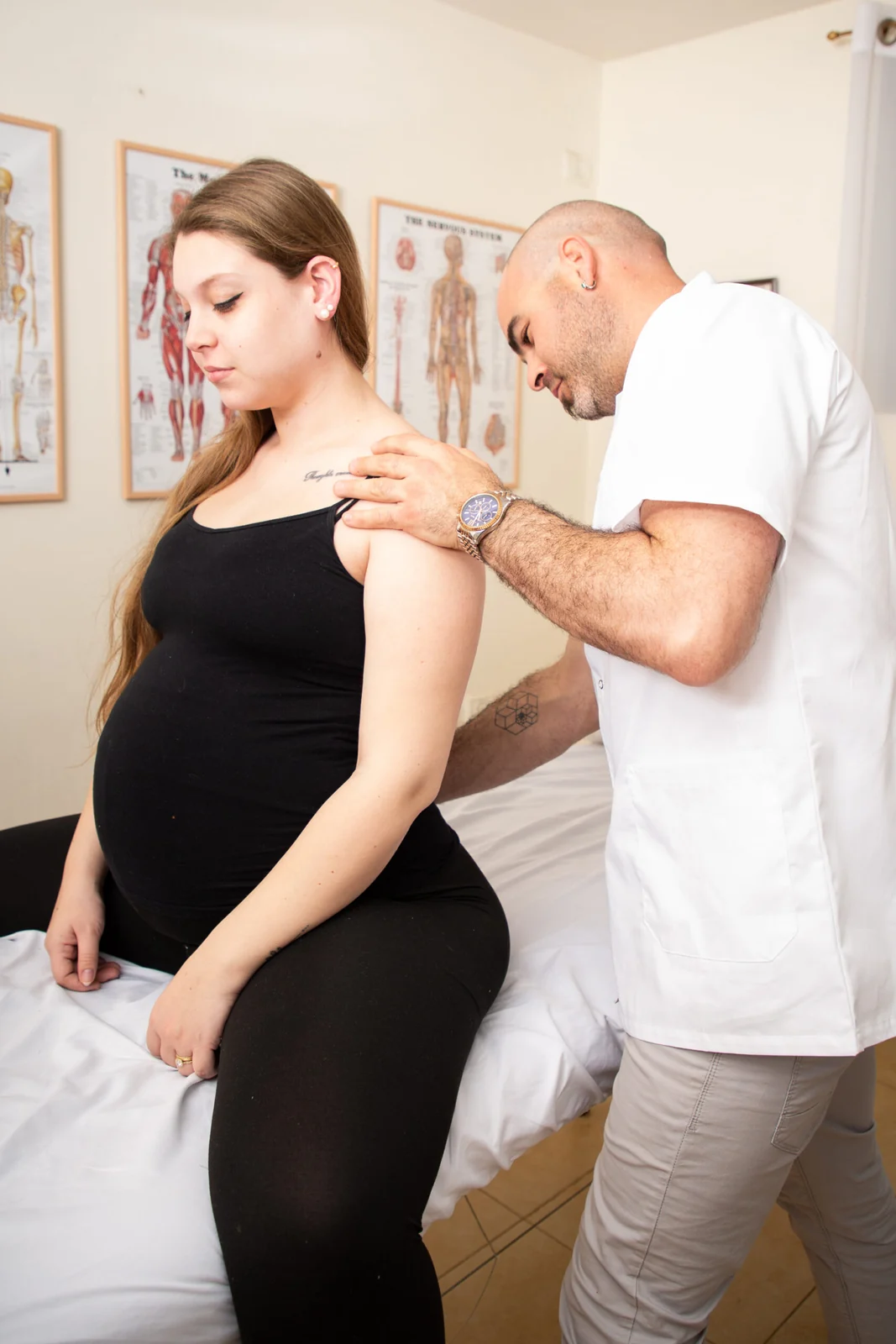
When it comes to groin pain during pregnancy‚ the treatment is gentle and adapted to your week of pregnancy: work on the soft tissues‚ improving the mobility of the pelvis and hip‚ taking load off the back and guidance on how to move well. During pregnancy this adaptation is especially important: comfortable positions lying on your side‚ no pressure on the belly and full attention to how you respond.
Pain When Sitting and the Tailbone
Sometimes a woman comes to me with groin pain while pregnant at the front of the pelvis‚ and the examination shows that sitting also overloads the back of the pelvis. When there is also tailbone pain during pregnancy‚ adjusting your positions makes a big difference: sitting on a suitable surface‚ getting up gradually and avoiding long periods of sitting.
Osteopathic Treatment in Northern Israel for Pregnant Women
I'm Roman Kibler‚ an osteopath in Kiryat Tivon in northern Israel. I studied osteopathy for five years‚ including 1000 clinical hours‚ I have worked as an osteopath at Maccabi Tivi since 2022‚ and I am a member of the Israeli Osteopathic Association. A first treatment lasts about an hour and follow-up treatments about 45 minutes‚ and some private insurance companies refund part of the cost.
With groin pain during pregnancy too‚ the osteopathic approach does not promise a "cure" and does not replace your pregnancy follow-up‚ but in suitable cases it helps reduce pain‚ improve comfort and bring back confidence in movement.
Treatment Throughout Pregnancy: What Changes Between the Trimesters?
In the first trimester the treatment is especially short and gentle‚ and focuses mainly on the back‚ breathing and movement guidance‚ because groin pain in pregnancy at this stage is relatively rare and usually comes from daily load. In the second trimester‚ when the uterus grows and the ligaments stretch‚ I work more on the pelvis‚ the hips and the inner thigh muscles.
In the third trimester‚ when groin pain during pregnancy is at its most common‚ the treatment is done lying on your side or sitting‚ and it aims at comfort when walking‚ sleeping and getting out of bed. At this stage it is also important to prepare for the period after birth: how to lift the baby‚ how to sit while breastfeeding and how to return to movement gradually.
If you are looking for osteopathy during pregnancy‚ you will find an explanation on the dedicated page of how the treatment works in each trimester‚ about safety and about the situations in which you first need your doctor's approval. Pregnancy groin pain is only one of the complaints treated there‚ alongside back pain‚ pelvic pain and tailbone pain.
It is worth coming to the session with a short summary of how your pregnancy has gone and of your latest tests‚ and telling me about any change since the previous visit. That way the treatment can be adapted to your week of pregnancy and your symptoms‚ and I know when to stop and refer you to a doctor.
It is also important to describe exactly how your groin pain while pregnant behaves‚ and whether there is pain at night‚ difficulty standing on one leg or pain that builds up at the end of the day‚ because each of these points the examination to a different area of the pelvis and hip.
When Does Groin Pain During Pregnancy Need a Doctor?
Most groin pain during pregnancy is related to load and natural changes‚ but there are situations in which you should not wait. Contact your doctor or the labor ward when one of the following signs appears:
- Vaginal bleeding‚ leaking fluid or unusual discharge.
- Regular contractions or pain that comes in waves before week 37.
- Fewer baby movements.
- Fever‚ burning when you urinate or pain in the side of the back.
- Very strong and sudden pain‚ or pain in the upper abdomen with a headache and vision problems.
- One leg that is swollen‚ red and warm‚ or shortness of breath.
- A bulge in the groin that gets bigger with effort or coughing.
Osteopathic treatment of groin pain during pregnancy is suitable only after such conditions have been ruled out‚ and always in coordination with the team following your pregnancy.
Bottom Line: Groin Pain During Pregnancy Can Be Eased
Groin pain during pregnancy comes from a range of factors: muscle load‚ changes in posture‚ sensitive pelvic joints‚ pain at the front of the pelvis around the symphysis‚ pain coming from the back or movement compensation from the hip. During pregnancy the picture is more complex‚ so it is important to tell a movement-related pain that can be treated conservatively apart from signs that require a medical check-up.
When there are no warning signs‚ adjusting your daily movements‚ the right support and gentle treatment of the pelvis‚ back and hips ease groin pain in pregnancy and help most women go through pregnancy and the period after birth much more comfortably.
Frequently asked questions
Is Groin Pain During Pregnancy a Sign of a Problem?
In most cases‚ no. Groin pain during pregnancy usually comes from stretching ligaments‚ a more flexible pelvis and the growing load‚ but strong pain‚ pain in waves‚ bleeding or fever require you to see a doctor.
In Which Week Does Groin Pain in Pregnancy Start?
For some women groin pain in pregnancy appears as early as the first trimester‚ but it is more common from the second trimester‚ when the uterus grows and the ligaments stretch. Toward the ninth month it sometimes gets stronger because the baby's head descends into the pelvis.
What Is the Difference Between Groin Pain While Pregnant and Contractions?
Groin pain while pregnant that comes from load is usually related to movement and improves with rest. Contractions come in regular waves‚ come with a hardening of the belly and do not pass when you change position‚ so if in doubt‚ go to the labor ward.
Does Pelvic Pressure in Pregnancy Mean Labor Is Near?
Not necessarily. Pelvic pressure in pregnancy can appear weeks before birth‚ when the baby descends into the pelvis. New‚ strong pressure before week 37‚ especially with abdominal pain or increased discharge‚ requires a check-up.
How Can I Release a Tight Groin During Pregnancy Without Causing Harm?
Gentle movement‚ mild local warmth‚ a pillow between the knees when sleeping and small steps ease pregnancy groin pain for most women. Strong stretches of the inner thigh are not recommended during pregnancy‚ because the ligaments are softer.
Is Osteopathic Treatment Safe During Pregnancy?
Gentle osteopathic treatment of groin pain during pregnancy is considered suitable for women with a normal pregnancy‚ in comfortable positions and without pressure on the belly. In a high-risk pregnancy‚ or when there are unusual symptoms‚ you should get approval from your doctor before treatment.
How Long Does Groin Pain Postpartum Last?
For most women groin pain postpartum improves gradually within a few weeks‚ as the ligaments regain their firmness and daily routine settles. If it lasts more than two months‚ makes walking difficult or gets worse‚ it is worth getting checked by a doctor and considering rehabilitative treatment.
Why Is There Groin Pain in Women Only on the Left Side?
Groin pain in women on one side can come from a muscle‚ the hip joint‚ the pelvis or the back‚ but also from the ovary‚ the bowel or the urinary tract. Constant pain‚ or pain with fever and abdominal pain‚ requires a medical assessment before hands-on treatment.
Does a Tight Muscle in the Groin Mean Stopping Activity?
Not always‚ and this applies both to athletes and to groin pain while pregnant. It is usually recommended to reduce the load and keep moving gently within a range that does not hurt‚ and to return to full activity gradually. A sharp pain that appears with every step justifies a check-up.
When Should I Start Treating Groin Pain During Pregnancy?
You can start as soon as the pain interferes with walking‚ sleeping or work‚ and there is no need to wait for the last weeks. In a normal pregnancy the treatment of groin pain in pregnancy suits every trimester‚ and in a high-risk pregnancy it starts only after approval from your doctor.
Table of Contents
- Groin Pain During Pregnancy - Why Does It Happen?
- Hormones‚ Ligaments and a More Flexible Pelvis
- When Does the Pelvis Widen and What Does It Do to the Groin?
- Groin Pain in Pregnancy or Pelvic Pressure in Pregnancy?
- Groin Pressure in Pregnancy That Needs a Check-Up
- Pregnancy Groin Pain on Both Sides
- Pain at the Front of the Pelvis and the Symphysis
- Groin Pain in the Third Trimester and at 38 Weeks
- Left-Side Groin Pain During Pregnancy
- Groin Pain in Women Outside Pregnancy
- Left-Side Groin Pain in Women
- Groin Pain Postpartum
- The Link to the Back and the Legs
- How to Release a Tight Groin?
- A Tight Muscle in the Groin
- Easing Groin Pain While Pregnant at Home
- Treating Groin Pain With an Osteopath
- Pain When Sitting and the Tailbone
- Osteopathic Treatment in Northern Israel for Pregnant Women
- Treatment Throughout Pregnancy: What Changes Between the Trimesters?
- When Does Groin Pain During Pregnancy Need a Doctor?
- Bottom Line: Groin Pain During Pregnancy Can Be Eased
- Frequently asked questions
