
How to Relieve Symphysiolysis When Every Step Hurts?
12 min read
Does every turn in bed at night come with a sharp pain at the front of your pelvis? Have climbing stairs or putting on trousers while standing become moments you plan in advance? Are you worried about how this pain will affect the birth?
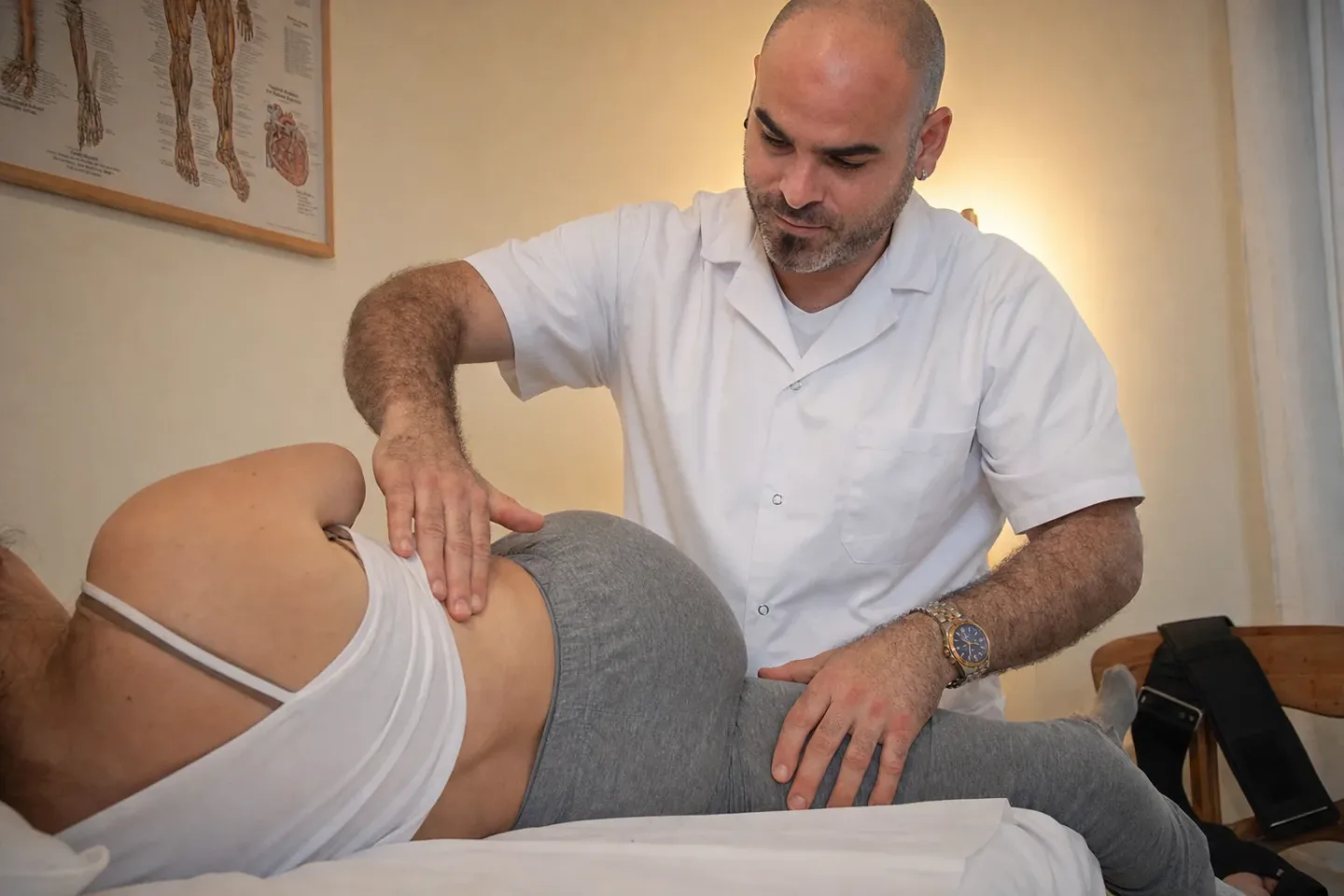
I am Roman Kibler‚ an osteopath D.O. with a clinic in Kiryat Tivon‚ and I treat pregnant women with gentle manual techniques adapted to the stage of pregnancy‚ without forceful manipulations‚ and I examine the whole pelvis and not only the painful spot.
Leave your details or call me‚ and together we will check how to ease the pain and reach the birth moving more comfortably!
Symphysiolysis is a well-known condition in pregnancy‚ marked by pain at the front of the pelvis around the joint called the symphysis pubis. The strength of the pain and its effect on quality of life vary a lot from woman to woman: some feel mild discomfort at the end of the day‚ while for others even a short walk hurts.
In this guide I will explain what symphysiolysis is‚ how to relieve symphysiolysis at home and in treatment‚ what is important to know before the birth and what happens after it. At every stage‚ follow-up with your gynaecologist remains the basis.
What Is Symphysiolysis?
The symphysis pubis is a relatively strong cartilage joint between the two pubic bones‚ at the front of the pelvis‚ and it usually barely moves. In pregnancy‚ under the influence of hormones such as relaxin and because of changes in mechanical load‚ the ligaments around it soften and the mobility of the joint increases‚ so that the pelvis can widen in preparation for the birth.
In some women this physiological process comes with significant pain and sometimes with limited function. That is really what symphysiolysis is: pain caused by increased mobility and an unbalanced load on the front joint and on the muscles attached to it. If you want to understand the timing of the changes in the pelvis‚ you will find an explanation in the article on when the pelvis widens in pregnancy.
In English you will also meet the names symphysis pubis dysfunction (SPD) and pelvic girdle pain. The terms pubic symphysis diastasis and pubic symphysis separation are usually kept for the cases where the joint really separates‚ which are less common.
The Pubic Bone and Its Link to Symphysiolysis
The term pubic bone refers to the front part of the pelvic ring. The symphysis joint connects the two pubic bones‚ and when there is too much load on the joint or an imbalance between the sides‚ the front of the pelvis becomes sensitive and painful.
In rarer cases there is a significant separation of the joint‚ a true pubic symphysis diastasis. In most cases it is a moderate increase in mobility‚ which is enough to cause pain but is not dangerous in itself.
What Does Symphysiolysis Actually Feel Like?
The pain is usually focused around the pubic bones‚ and it can be sharp or dull‚ like a stab or pressure. Sometimes it spreads to the inner thighs‚ the groin‚ the lower back or the back of the pelvis‚ and some women also describe a feeling of instability or a click in the pelvis.
The pain usually gets worse with actions that load one side or spread the legs:
- Walking‚ especially with big steps.
- Going up and down stairs.
- Turning over in bed.
- Standing on one leg‚ for example when putting on trousers.
- Getting in and out of the car.
How Is Symphysiolysis Different from Other Pelvic Pain?
Not every pelvic pain in pregnancy is symphysiolysis. It needs to be told apart from pain that comes from the sacroiliac joints at the back of the pelvis‚ which you can read about in the article on posterior pelvic pain in pregnancy‚ and from pain that comes from the pelvic floor‚ the tendons or the hip joints.
Some women complain of groin pain during pregnancy‚ which can come from load on the inner thigh muscles or from the effect of the growing uterus on nearby tissues. In symphysiolysis these muscles are often involved too‚ because they attach to the pubic bone and increase the tension in the joint.
How Is Symphysiolysis Diagnosed?
The diagnosis is first and foremost clinical. The gynaecologist or an orthopaedist assesses the symptoms and checks for tenderness to touch over the joint and the response to certain movements.
In most cases there is no need for an X-ray or an MRI‚ especially in pregnancy‚ unless there are unusual signs. Sudden‚ very strong pain‚ real difficulty putting weight on a leg‚ fever‚ bleeding or contractions need an immediate visit to a doctor.
How to Relieve Symphysiolysis Day to Day?
How do you get SPD relief without medication? The principle is to reduce asymmetrical movements and wide spreading of the legs‚ and to keep the pelvis as closed and balanced as possible. Small adjustments to your routine make a big difference to symphysiolysis:
- Turn over in bed with your knees together‚ using your hands.
- Get dressed sitting down and not standing on one leg.
- Climb stairs one at a time‚ leading with the same leg‚ and hold the rail.
- Get into the car by sitting down first and only then bringing both legs in together.
- Walk with small steps and split long walks into short ones.
- Sleep on your side with a pillow between your knees.
- Avoid carrying weight on one hip‚ including a child on your hip.
A supportive pelvic belt is one of the simple ways to relieve symphysiolysis‚ especially when walking. It is important to fit it correctly and to consult a professional about the size and how long to wear it.
Gentle SPD Exercises to Stabilize the Pelvis
Alongside the daily adjustments‚ gentle SPD exercises are another way to get relief for symphysiolysis: they strengthen the muscles that stabilize the pelvis and reduce the load on the front joint. A deep contraction of the lower abdominal muscles and the pelvic floor‚ combined with calm breathing‚ is a good starting point for most women.
A small pelvic bridge lying on your back in the early stages‚ or lying comfortably on your side later in the pregnancy‚ and exercises sitting on a chair with the knees together can also be suitable. Stop any exercise that increases the pain at the front of the pelvis and get advice before you continue.
Sitting‚ Work and Sleep
Long sitting on a soft‚ low surface makes getting up harder and loads the pelvis. It is worth choosing a stable chair at a height where the knees are slightly lower than the hips‚ and getting up every half hour to an hour for a short movement break.
In bed‚ a long pillow between the knees and along the belly keeps the pelvis aligned. Before turning over‚ gently tighten the abdominal and pelvic floor muscles and turn with your knees together.
Medical Pregnancy Leave Because of Symphysiolysis
When the pain severely limits walking and work‚ the treating doctor may consider a period of pregnancy leave or rest because of symphysiolysis‚ at the doctor's discretion and depending on the nature of the work. Even then‚ lying down all day is not recommended‚ but rest together with gentle movement that does not hurt. The decision and the details should be arranged with your doctor.
Symphysiolysis Treatment - What Is Standard and What Does Osteopathy Add?
The standard medical approach includes relative rest‚ avoiding movements that make it worse‚ a supportive pelvic belt and sometimes a referral to pelvic floor physiotherapy. When the pain is significant‚ the doctor can consider pain medication in line with safety in pregnancy.
No medication returns the joint to how it was before the pregnancy‚ so symphysis pubis dysfunction treatment is mainly about managing loads and reducing pain. The same is true of pubic symphysis separation treatment in the rarer cases where the joint has really separated.
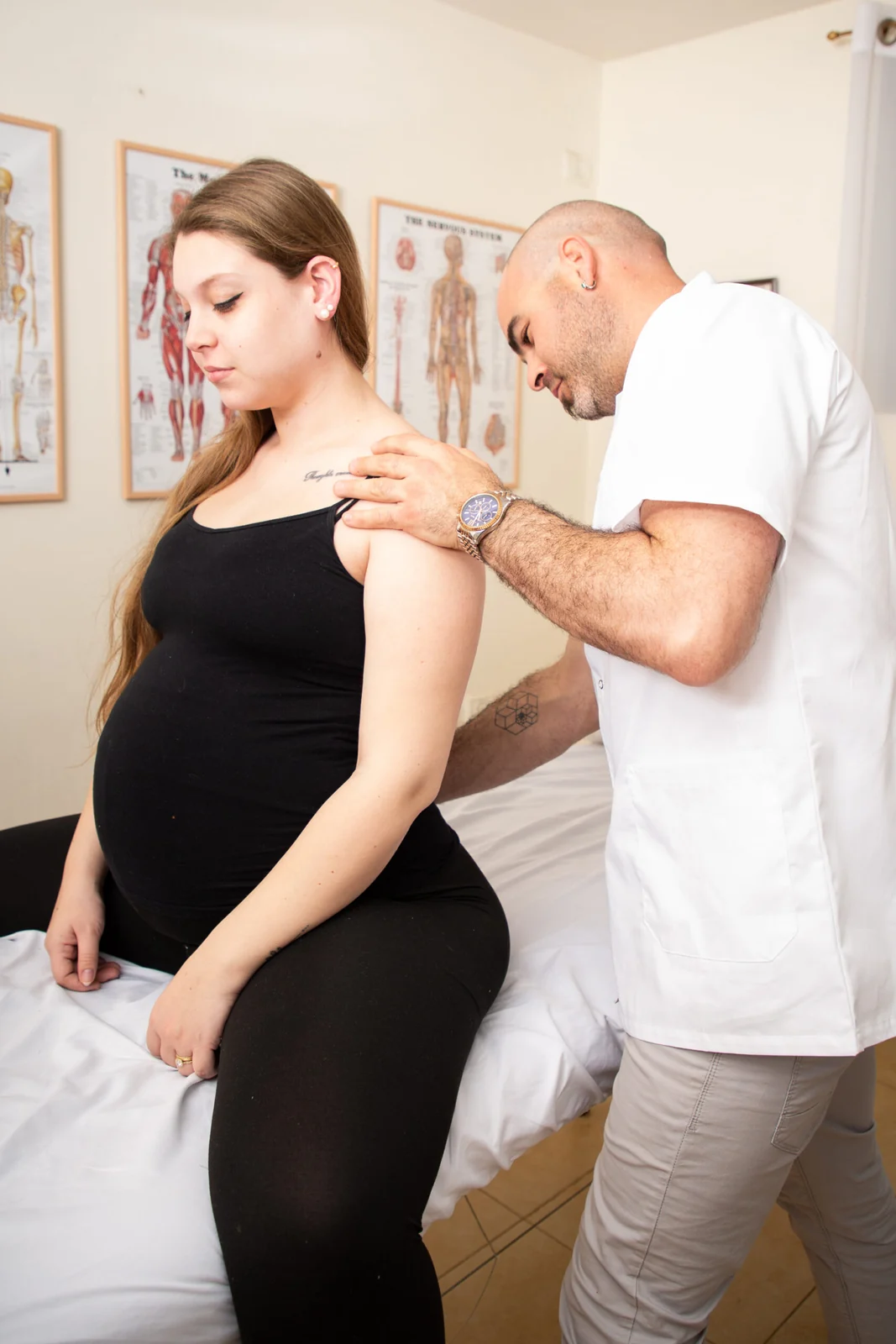
Treatment with an osteopath in Kiryat Tivon focuses on the biomechanics of the whole pelvis. I check the mobility of the pelvic joints‚ the lower back‚ the hips‚ the pelvic floor and even the chest and the diaphragm‚ because sometimes an imbalance in one area loads the symphysis. With gentle manual techniques it is possible to improve the way loads are shared and reduce the tension in the soft tissues around the joint.
Osteopathic treatment in pregnancy does not include forceful manipulations‚ and it is adapted to the stage of the pregnancy and your general condition. The first treatment lasts about an hour‚ and follow-up treatments about 45 minutes.
Pain at the front of the pelvis is often only part of the picture: the same women also feel load in the lower back‚ short breath or tension in the ribs as the pregnancy progresses. What the care includes in each trimester‚ what is avoided and how it fits with your follow-up with the gynaecologist is set out on the page about pregnancy osteopathy.
How to Relieve Symphysiolysis in the Last Weeks?
In the third trimester the weight goes up and the pelvis works harder‚ so it is worth planning the day ahead: group your errands to save trips up the stairs‚ sit while preparing food and ask for help carrying shopping. Many women report that gently cooling the front of the pelvis‚ with an ice pack wrapped in a towel for a few minutes‚ reduces the pain at the end of the day and gives some SPD pain relief.
This is also the time to write in your birth plan how far you can spread your legs without pain‚ and to bring a pillow for between your knees. That way the team knows in advance how to relieve symphysiolysis during the examinations and during the birth itself‚ and you do not have to explain everything in the middle of contractions.
How Is the Osteopathic Approach Different?
Conventional medicine usually focuses on reducing pain and on advice about behaviour‚ while the osteopathic approach tries to find the patterns of load and imbalance that contributed to the worsening. There is no contradiction here but a complement: osteopathy does not replace medical follow-up‚ but it can be a supportive answer that improves function and makes movement easier.
Not every pelvic pain in pregnancy needs manual treatment. In mild cases the daily adjustments are enough to relieve symphysiolysis‚ and when the pain limits walking or disturbs sleep‚ gentle SPD treatment can help. You will find wider information about the joint itself in the article on pubic symphysis pain.
Giving Birth with Symphysiolysis
Many women are afraid of giving birth with symphysiolysis. In most cases birth with symphysiolysis is a normal birth‚ and the diagnosis in itself is not a reason for a caesarean section. The decision about how you give birth belongs to the medical team‚ based on the full picture.
What is worth doing before giving birth with symphysiolysis? Tell the team in the labour ward about the pain‚ and check in advance how far you can spread your legs without pain. During the birth it is worth staying within this range and choosing comfortable positions‚ for example giving birth on your side or on all fours‚ if the team approves.
It is also worth planning the period after the birth in advance: help at home in the first weeks‚ a pram at a comfortable height and a changing place that does not require bending. The smaller the load on the pelvis in these weeks‚ the easier it is for the body to recover.
What Happens After the Birth?
For most women the pain eases gradually in the weeks and months after the birth‚ as the hormones rebalance and the load on the pelvis goes down. In some women the pain lasts longer‚ and then it is advisable to see a doctor and consider rehabilitation of the pelvic floor and abdominal muscles‚ alongside gentle manual treatment.
Symphysiolysis Outside Pregnancy - Is It Possible?
The term is linked mainly to pregnancy and birth‚ but pain in the symphysis joint can also appear without a pregnancy. Women who ask about symphysiolysis outside pregnancy usually describe pain that did not pass after a birth‚ pain after a fall or an injury to the pelvis‚ or pain that appeared with the sports load of running‚ kicking and changes of direction.
In such cases it is especially important to get a medical diagnosis‚ because the pain can also come from tendons‚ the hip or the groin. When it turns out to be a functional load‚ treatment of symphysiolysis outside pregnancy focuses on balancing the pelvis‚ the hips and the abdominal muscles.
Symphysiolysis - The Bottom Line
So what is symphysiolysis in short? A well-known condition in pregnancy that comes from a combination of hormonal changes and mechanical loads on the symphysis joint. In most cases it is not dangerous‚ but it can cause significant pain and limit daily life.
The way to relieve symphysiolysis starts with simple adjustments‚ continues with a belt and adapted treatment when needed‚ and always relies on medical follow-up. Gentle manual treatment can improve quality of life in pregnancy‚ as long as it is given by a qualified therapist and adapted to the medical condition.
Frequently asked questions
From which week does symphysiolysis appear?
The pain can appear at any stage of pregnancy‚ but it is usually felt more in the second and third trimesters‚ when the load on the pelvis grows. In some women symphysiolysis starts even earlier.
Is symphysiolysis dangerous for the baby?
The condition does not harm the baby. It is a condition of the mother's pelvis that causes pain and limits movement‚ so the treatment focuses on easing the pain and keeping function.
Does the pain at the front of the pelvis come back in the next pregnancy?
In some women the pain comes back in another pregnancy‚ sometimes earlier. Knowing the signs and starting the daily adjustments early help relieve symphysiolysis from the first weeks.
Can I exercise with pain at the front of the pelvis?
Gentle activity such as swimming without the breaststroke kick‚ short walks and pelvic stabilization exercises suits most women with symphysiolysis. Avoid wide leg spreading and standing on one leg‚ and get advice before starting a programme.
Does a pelvic belt help?
For many women a supportive pelvic belt helps relieve symphysiolysis when walking and standing. It is important that the belt fits well and that you do not wear it all day without a break.
Is osteopathic treatment safe in pregnancy?
Osteopathic treatment in pregnancy uses gentle‚ adapted techniques‚ without forceful manipulations. It is given in coordination with medical follow-up‚ and any unusual sign sends you to a doctor first.
How can I relieve symphysiolysis at night?
A pillow between the knees‚ turning over with the knees together and a mattress that is not too soft help many women. If getting up to the toilet at night is hard‚ leave a dim light on and get up slowly through your side.
When should I see a doctor about pelvic pain in pregnancy?
When the pain is very strong‚ appears all at once‚ stops you putting weight on a leg‚ or comes with fever‚ bleeding‚ contractions or fewer baby movements. In such situations go to a doctor or the labour ward without delay.
Can I keep working with pain at the front of the pelvis?
It depends on the type of work and how strong the pain is. In office work you can usually continue with movement breaks and a suitable chair‚ and with physical work or long standing it is worth talking to your doctor about adjustments.
Should I use crutches?
In severe cases‚ when walking is very painful‚ crutches for a short period reduce the load on the pelvis. It is worth arranging their use with a doctor or a physiotherapist‚ so you learn to walk with them correctly.
Which symphysiolysis treatment suits the period after the birth?
When the pain does not pass a few weeks after the birth‚ symphysiolysis treatment usually combines a medical examination‚ rehabilitation of the pelvic floor and abdominal muscles and gentle manual treatment. It is also important to plan the right way to lift the baby and the pram‚ so you do not load the front of the pelvis again.
Table of Contents
- What Is Symphysiolysis?
- The Pubic Bone and Its Link to Symphysiolysis
- What Does Symphysiolysis Actually Feel Like?
- How Is Symphysiolysis Different from Other Pelvic Pain?
- How Is Symphysiolysis Diagnosed?
- How to Relieve Symphysiolysis Day to Day?
- Gentle SPD Exercises to Stabilize the Pelvis
- Sitting‚ Work and Sleep
- Medical Pregnancy Leave Because of Symphysiolysis
- Symphysiolysis Treatment - What Is Standard and What Does Osteopathy Add?
- How to Relieve Symphysiolysis in the Last Weeks?
- How Is the Osteopathic Approach Different?
- Giving Birth with Symphysiolysis
- What Happens After the Birth?
- Symphysiolysis Outside Pregnancy - Is It Possible?
- Symphysiolysis - The Bottom Line
- Frequently asked questions
