
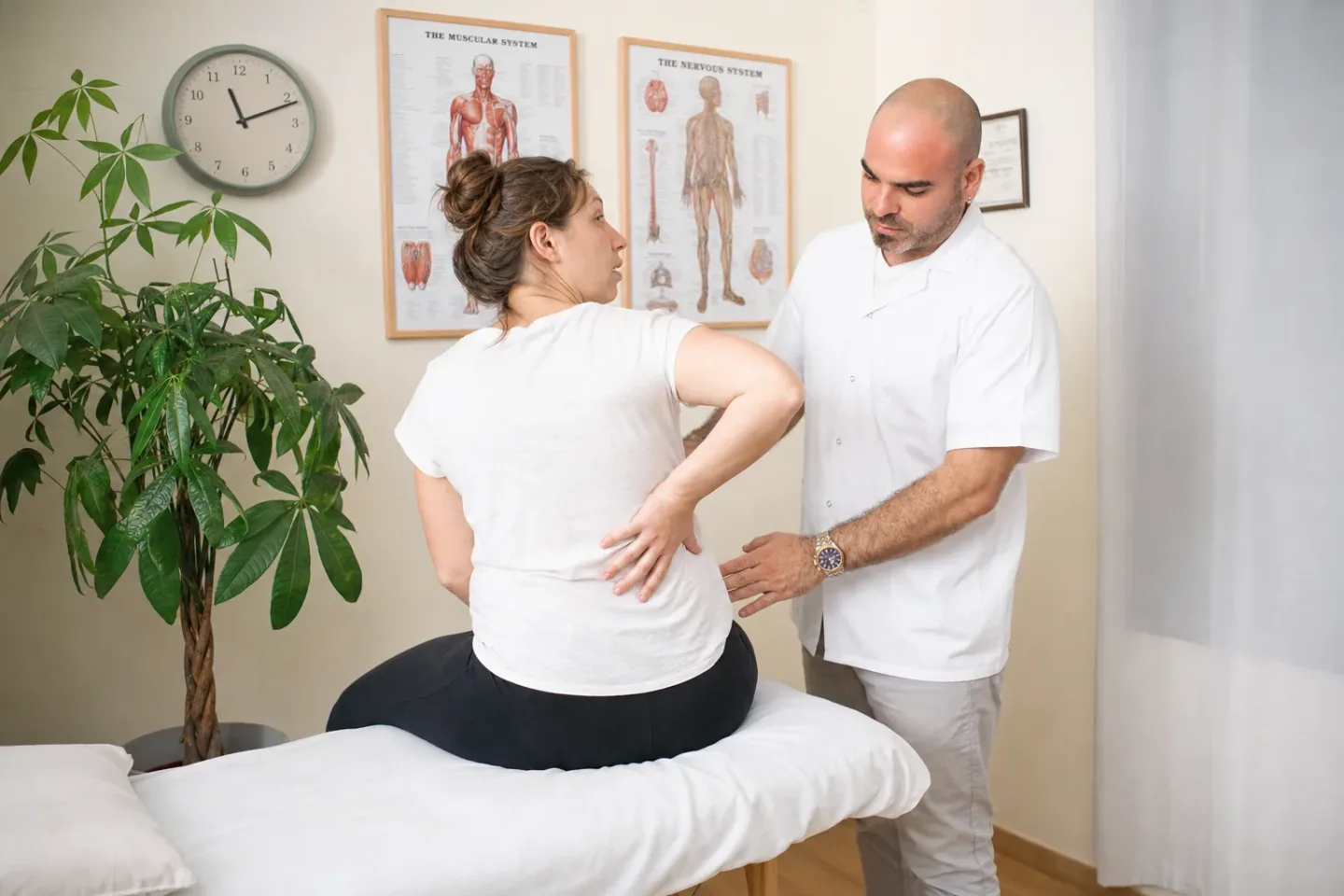
Back Pain During Pregnancy - Why It Happens and What Helps
15 min read
Does your lower back already hurt in the first weeks‚ before your bump even shows? Does the pain travel down to your buttock and legs when you walk‚ stand or get out of bed? And are you unsure what is safe to do while pregnant and when you should get checked?
I am Roman Kibler‚ an osteopath D.O. with a clinic in Kiryat Tivon‚ and I treat pregnant women with gentle touch adapted to the week of pregnancy‚ never with force.
Leave your details or call me‚ and I will check with you what lies behind the pain and what can make your daily life easier!
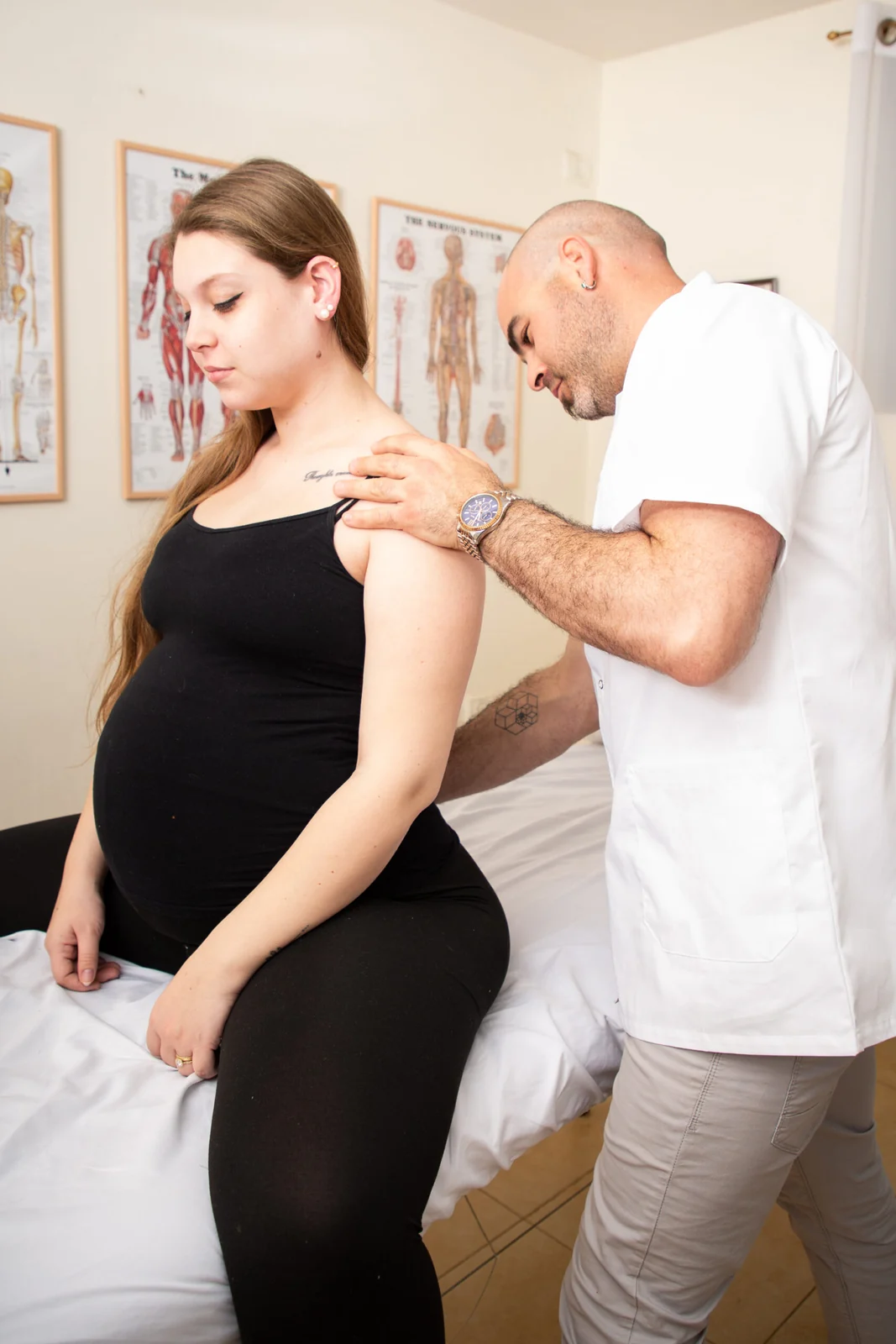
Back pain in early pregnancy can come as a surprise‚ especially when the belly is still small and the extra load seems far away. In fact‚ from the very first weeks the body goes through hormonal‚ postural and functional changes that affect the back‚ the pelvis and the legs. Fatigue‚ nausea‚ less activity and sometimes emotional stress all change the way the body holds itself.
In most cases back pain during pregnancy‚ and the leg pain that often comes with it‚ is not a sign of anything dangerous‚ but it certainly affects your quality of life. Some women feel stiffness in the lower back‚ others describe pain on one side of the pelvis or a pulling sensation along the thigh. To ease it properly‚ it helps to understand that this is not a "weak back" but a change in load that the body is trying to adapt to.
Back Pain in Early Pregnancy: Why Does It Start So Soon?
From the first weeks the body starts preparing itself for the road ahead. The ligaments around the pelvis may become more flexible‚ and the muscles have to work a little differently to keep the body stable. This is a natural adaptation‚ but it can be felt as lower back pain during pregnancy as early as the first trimester‚ which is why back pain in the first trimester is so common.
Even when weight gain is still small‚ the body reacts to changes in posture‚ to fatigue and to moving less. Many women change the way they walk‚ sleep and sit without noticing‚ and sometimes that change puts extra load on the lower back and leads to back pain while pregnant. This is how lower back pain in early pregnancy appears even without any injury or unusual effort.
Hormones‚ Ligaments and Pelvic Stability
During pregnancy the levels of hormones that affect connective tissue rise‚ and the pelvic joints become less rigid. This allows the pelvis to prepare for birth‚ but it means the muscles around it have to work harder to keep it stable. When those muscles are tired or poorly coordinated‚ the load moves to the lower back and the hips‚ and lower back pain during pregnancy is often the result.
Strain That Was There Before the Pregnancy
Back pain in early pregnancy often appears in women who already had a sensitive back‚ a herniated disc‚ a job with long hours of sitting or relatively weak core and pelvic muscles. Pregnancy does not necessarily create the problem from scratch; it reveals a pattern of strain that was there before.
That is why good treatment of back pain in pregnancy does not only ask where it hurts. It looks at how the body works in movement‚ in breathing and when you change position.
Back Pain in Pregnancy‚ Leg Pain and Changes in Posture
As pregnancy progresses‚ the centre of gravity moves forward and the body tends to compensate through the lower back‚ the pelvis and the hips. But even early on‚ before any visible change‚ back pain in pregnancy may come with heaviness in the legs or pain spreading to the buttock and thigh. Sometimes it comes from muscle effort‚ sometimes from changing mechanical pressure and sometimes from the way the pelvis distributes load as you walk.
Back pain during pregnancy and leg pain often appear together‚ because the back‚ the pelvis and the legs work as one chain. When hip movement is limited‚ the lower back works harder‚ and when the back is stiff‚ your stride gets shorter and the leg muscles tire faster. When I examine back pain in pregnancy‚ I check the whole chain‚ not only the painful spot.
When Does Leg Pain Need Investigation‚ Not Just Relief?
When there is also leg pain during pregnancy‚ it is important to tell apart simple muscle strain‚ a change in posture‚ pain radiating from the back and a problem that needs medical investigation. Sharp pain‚ swelling on one side‚ redness‚ local warmth or shortness of breath are not a case for manual treatment and require you to see a doctor immediately.
When the cause is moderate mechanical strain‚ osteopathic treatment can be combined with adjusted movement and everyday guidance. In these cases pregnancy back pain and leg pain usually respond well to small‚ consistent changes.
Pain Radiating to the Buttock and Leg and the Sciatic Nerve
Some women describe pain that starts in the lower back or the buttock and runs down the leg‚ sometimes with numbness or burning. This picture can fit irritation of the sciatic nerve‚ but in pregnancy back pain that radiates like this is often caused by tension in the buttock muscles and by strain on the pelvic joints.
You can read more in my article on sciatica during pregnancy‚ and in any case of weakness in the leg or a change in sensation‚ see a doctor.
Pain at the Front of the Pelvis and Pressure in the Groin
Not every pain that looks like back pain in early pregnancy comes from the back itself. Sometimes the pain is felt at the front of the pelvis‚ around the pubic bone‚ the inner thigh or the groin‚ when you walk‚ climb stairs or turn over in bed. The pelvis is a ring-shaped structure‚ so strain in one part of it affects the hips and can show up as back pain during pregnancy.
When a woman feels groin pain during pregnancy‚ it is not right to assume straight away that it is just a tight muscle. The source may be a change in the load around the pelvic joints‚ strain on the inner thigh muscles or involvement of the symphysis joint at the front of the pelvis. A functional examination distinguishes local muscle pain from pain related to pelvic stability.
Symphysiolysis and What Pain at the Front of the Pelvis Means
Symphysiolysis describes pain and tenderness in the front joint of the pelvis‚ the symphysis pubis. It shows up as difficulty walking‚ pain when spreading the legs‚ discomfort when turning over in bed or pain when moving from sitting to standing. Not every pain at the front of the pelvis is symphysiolysis‚ but when the symptoms fit‚ it is worth getting a proper assessment.
When there are questions about giving birth with symphysiolysis‚ it is important to combine medical follow-up‚ suitable guidance and a careful approach to movements that make the pain worse. Osteopathic treatment does not replace the instructions of your gynaecologist or midwife‚ but it can help reduce the load around the pelvis and teach positions that make changing position easier.
Posterior Pelvic Pain in Pregnancy and the Lower Back
The back of the pelvis includes the sacroiliac joints‚ which connect the sacrum to the pelvic bones. When this area is sensitive‚ the pain feels like lower back pain during pregnancy‚ pain on one side of the buttock or a deep ache in the pelvis. It often gets worse when you stand on one leg‚ climb stairs or walk for a long time‚ so many women describe it as part of their back pain while pregnant.
When posterior pelvic pain in pregnancy appears‚ the approach has to be wider than "releasing the back". I check the movement of the pelvis‚ the range of the hips‚ the breathing pattern and the way you shift weight from side to side. In many cases a small change in how you get out of bed‚ how you walk or how you support yourself in sleep reduces pregnancy back pain considerably.
Changes in the Pelvis From the Early Stages
Many women ask when the pelvis widens in pregnancy‚ and are surprised to learn that the ligaments start preparing from the early stages. The widening itself is gradual and varies from woman to woman‚ but the change in stability can be felt long before the birth. This is one of the reasons why back pain during pregnancy is not only a problem of the last trimester.
Tailbone Pain When Sitting
The tailbone sits at the lower end of the spine‚ and it is strongly affected by sitting positions‚ by load on the pelvic floor and by changes in posture. During pregnancy‚ as the pelvis changes its stability‚ some women feel a deep pain when sitting‚ when getting up from a chair or after a long drive. Such pain can be local‚ but sometimes it is also linked to the movement of the pelvis and tension in the tissues around it.
When tailbone pain in pregnancy appears‚ relief starts with adjusting your positions: a comfortable seat‚ a change in the angle of the pelvis‚ movement breaks and a suitable cushion if needed. Osteopathic treatment may focus on the mobility of the pelvis‚ the lower back and the hips‚ with gentle work adapted to pregnancy. Here too‚ as with back pain during pregnancy‚ relief rests on a combination of good positioning and movement.
What Can You Do at Home to Ease Back Pain in Early Pregnancy?
Many women ask me how to relieve back pain during pregnancy without relying on medication. Easing back pain during pregnancy starts with reducing everyday strain: avoid standing for a long time without moving‚ get out of bed gradually by rolling to your side‚ keep walking at a relaxed pace and do not lift heavy things unless you have to.
A few simple habits that ease pregnancy back pain early on and later as well:
- Get out of bed by rolling onto your side‚ with your knees together.
- Sit with support for your lower back and get up every 30-40 minutes.
- Wear comfortable‚ stable shoes without high heels.
- Lift objects by bending your knees‚ not your back.
- Keep your breathing calm and deep when your back tightens.
Sleeping and Sitting With Back Pain in Pregnancy
When sleeping‚ many women feel relief lying on their side with a pillow between the knees‚ and later in pregnancy also with support under the belly. When sitting‚ keep your lower back supported‚ place your feet flat on the floor and change position from time to time. This way back pain in pregnancy tends to build up less towards the evening‚ which matters even more for back pain in the third trimester.
Gentle Movement for Back Pain While Pregnant
Light‚ adapted physical activity can also help with back pain while pregnant‚ as long as there is no medical instruction to avoid it. Moderate walking‚ breathing exercises‚ gentle pelvic mobility and adapted strengthening all support the body and offer real pregnancy back pain relief.
If a certain movement makes your back pain while pregnant worse‚ creates unusual pressure or causes strong radiating pain‚ stop and get professional guidance.
Osteopathic Treatment for Back Pain During Pregnancy
Osteopathic treatment looks at the body as one system: the lower back‚ pelvis‚ hips‚ rib cage‚ diaphragm and pelvic floor. With back pain during pregnancy the aim is not strong manipulations or "straightening" the body by force‚ but gentle work on mobility‚ breathing and a better distribution of load. I adapt the treatment to the week of pregnancy‚ the level of pain‚ your medical background and how your body responds.
In this approach‚ back pain in early pregnancy is seen as a sign that the body is struggling to adapt to a certain load. So I check whether hip movement is limited‚ whether the pelvis moves symmetrically‚ whether the lower back is overworking or whether shallow breathing is adding tension around the ribs.
Alongside the hands-on work‚ guidance matters a great deal: sleeping positions‚ getting out of bed‚ safe lifting and returning to activity. Without it‚ pregnancy back pain tends to come back between sessions.
Pregnancy back pain is only one part of the picture: during pregnancy your breathing‚ pelvic floor‚ ribs and the way your body prepares for birth also change.
You will find details on the care I offer in each trimester‚ what is allowed and what is avoided‚ and how treatment fits in with your gynaecologist's follow-up on the page on osteopathy during pregnancy. It also explains how to prepare for birth and how to get back into your body afterwards.
In practice‚ women who come to me with back pain during pregnancy often discover that the pain improves when I also treat areas that did not hurt: the rib cage‚ the diaphragm or the foot. That is why the examination is broad‚ even when the complaint sounds local.
What Does a Treatment at the Clinic Look Like?
The first treatment lasts about an hour and includes a conversation‚ an examination and hands-on work‚ and follow-up treatments last about 45 minutes. You lie on your side or sit‚ in whatever position is comfortable for you‚ and the touch is gentle and gradual. The goal is for lower back pain during pregnancy to interfere less with your routine‚ through a combination of manual treatment‚ guidance and short exercises at home.
I am an osteopath D.O.‚ I studied osteopathy for five years‚ including 1,000 clinical hours‚ and since 2022 I have been working as an osteopath at Maccabi Tivi. If you are looking for an osteopath in Kiryat Tivon‚ at my clinic at 6 Karkom Street you will find a calm approach adapted to pregnancy. Some private insurance companies refund part of the cost of treatment‚ so it is worth checking in advance.
How Is the Osteopathic Approach Different From the Conventional One?
The conventional approach focuses on medical investigation‚ ruling out unusual conditions‚ recommendations for adapted activity‚ physiotherapy where needed and sometimes painkillers that are allowed in pregnancy according to a doctor's instructions. This is an important approach‚ especially when back pain in pregnancy is strong‚ new‚ unclear or comes with other signs.
In pregnancy there is no room for guesswork‚ and whenever in doubt you turn to a qualified medical professional.
The osteopathic approach does not replace this investigation; it adds a functional angle. Instead of focusing only on the painful area‚ it looks at what makes the strain come back: your walking pattern‚ posture‚ breathing‚ tension in the pelvis or sitting habits. When back pain in pregnancy is suitable for conservative care‚ this is a gentle and focused way to ease the body while it reorganizes itself around the pregnancy.
When Does Back Pain During Pregnancy Need a Medical Check?
See a doctor‚ a midwife or an urgent care centre when back pain during pregnancy is very strong‚ gets worse quickly or comes with fever‚ bleeding‚ significant abdominal pain or burning when you urinate. Weakness in the legs‚ unusual numbness‚ shortness of breath‚ swelling on one side of the leg or a general feeling of being unwell also require an examination. Back pain while pregnant after a fall or a blow always needs to be checked.
In the second half of pregnancy‚ strong pain under the ribs or in the upper abdomen together with a headache‚ blurred vision or sudden swelling of the face and hands can be a sign of preeclampsia and requires going to the maternity emergency room immediately.
Mechanical back pain during pregnancy tends to change with position‚ load and movement. In contrast‚ pain that does not change at all‚ unusual night pain or pain that comes with general symptoms needs medical attention. A responsible osteopath stops the treatment and refers you for a check when the picture does not fit ordinary musculoskeletal pain.
Back Pain That Feels Like Contractions
At any stage of pregnancy‚ lower back pain during pregnancy that comes in regular waves‚ gets stronger and is accompanied by tightening of the belly or unusual discharge requires going to the delivery room or a doctor immediately. Back pain in early pregnancy that comes with bleeding or cramps in the lower abdomen needs to be checked the same day. In these situations you do not wait for manual treatment.
Back Pain During Pregnancy - The Bottom Line
Back pain in early pregnancy and pregnancy back pain in the later months‚ often with leg pain‚ are common‚ but they do not have to become an unavoidable part of your routine. The combination of hormonal changes‚ load on the pelvis‚ changes in posture and fatigue creates back pain while pregnant even in the first weeks.
Relief starts with understanding whether the source is in the back‚ the pelvis‚ the groin‚ the tailbone or a movement pattern that affects the whole chain. When pregnancy back pain comes without unusual medical signs‚ gentle osteopathic treatment‚ a movement assessment and tailored guidance help the body distribute the load better.
With any unusual pain or rapid worsening‚ a medical check comes first‚ and then you can combine follow-up‚ adapted movement and manual treatment that respects your stage of pregnancy. That is how lower back pain during pregnancy becomes something you can manage rather than simply endure.
Frequently asked questions
Is Back Pain in Early Pregnancy a Sign of Miscarriage?
In most cases‚ no: mechanical back pain during pregnancy that changes with position and movement is very common and is not related to the state of the pregnancy. Pain that comes with bleeding‚ abdominal cramps or strong‚ persistent pain requires seeing a doctor the same day.
In Which Week Does Back Pain During Pregnancy Start?
For some women it starts in the first trimester‚ because of hormonal changes‚ fatigue and moving less. For others pregnancy back pain appears only in the second or third trimester‚ when the centre of gravity shifts and weight increases.
Is Osteopathic Treatment Safe During Pregnancy?
Gentle osteopathic treatment for back pain in pregnancy is adapted to the week of pregnancy and your medical background‚ and it does not include forceful manipulations. In a high-risk pregnancy‚ with bleeding or a special medical instruction‚ the treatment is coordinated with your doctor or midwife.
From Which Week Can I Come for Treatment?
You can come with back pain during pregnancy at any stage‚ as long as there is no other medical instruction. In the first trimester the treatment is especially gentle and focuses on comfortable positions‚ breathing and guidance.
What Helps Back Pain in Pregnancy at Night?
Lying on your side with a pillow between your knees‚ support under the belly later in pregnancy and getting up gradually by rolling to your side. A short walk and a gentle stretch before bed help some women fall asleep with less back pain in pregnancy.
Can I Take Painkillers for Back Pain During Pregnancy?
Some painkillers are allowed in pregnancy and some are not‚ so take any medication only according to a doctor's instructions. Do not rely on what helped you before you were pregnant.
Does Back Pain in Early Pregnancy Come Back in the Next Pregnancy?
Not necessarily‚ but women who had pregnancy back pain the first time tend to experience it again. Adapted strengthening between pregnancies and coming in early for a check help you cope better.
How Many Treatments Are Usually Needed?
It depends on the source of your back pain while pregnant‚ the week of pregnancy and how you respond to the first treatment. After the first examination I build a short plan‚ and I review it at every session.
When Does Back Pain While Pregnant Need Urgent Care?
When there is swelling on one side of the leg with redness and warmth‚ shortness of breath‚ weakness in the leg‚ high fever‚ bleeding or pain in regular waves. In these situations go to a doctor or the emergency room right away.
Can Back Pain in Early Pregnancy Be Related to a Urinary Tract Infection?
Yes‚ pain in the lower back or the side‚ especially with burning when urinating‚ frequent urination or fever‚ can indicate an infection of the urinary tract or the kidneys. In that case you need a urine test and a doctor‚ not manual treatment.
Can Back Pain in Early Pregnancy Be Prevented?
It cannot always be prevented‚ but moderate physical activity before and during pregnancy‚ enough sleep and movement breaks when sitting reduce the strain that leads to back pain during pregnancy. If you have had back problems in the past‚ you can come for a check already in the first weeks.
Does Walking Help Pregnancy Back Pain?
Usually yes: moderate walking at a comfortable pace‚ on a flat surface and in stable shoes‚ keeps the pelvis and the back mobile and often eases back pain while pregnant. If walking makes pain at the front of the pelvis or in the groin worse‚ shorten your steps and get checked.
Table of Contents
- Back Pain in Early Pregnancy: Why Does It Start So Soon?
- Hormones‚ Ligaments and Pelvic Stability
- Strain That Was There Before the Pregnancy
- Back Pain in Pregnancy‚ Leg Pain and Changes in Posture
- When Does Leg Pain Need Investigation‚ Not Just Relief?
- Pain Radiating to the Buttock and Leg and the Sciatic Nerve
- Pain at the Front of the Pelvis and Pressure in the Groin
- Symphysiolysis and What Pain at the Front of the Pelvis Means
- Posterior Pelvic Pain in Pregnancy and the Lower Back
- Changes in the Pelvis From the Early Stages
- Tailbone Pain When Sitting
- What Can You Do at Home to Ease Back Pain in Early Pregnancy?
- Sleeping and Sitting With Back Pain in Pregnancy
- Gentle Movement for Back Pain While Pregnant
- Osteopathic Treatment for Back Pain During Pregnancy
- What Does a Treatment at the Clinic Look Like?
- How Is the Osteopathic Approach Different From the Conventional One?
- When Does Back Pain During Pregnancy Need a Medical Check?
- Back Pain That Feels Like Contractions
- Back Pain During Pregnancy - The Bottom Line
- Frequently asked questions
