
Tight Thigh Muscles - How Do You Release Them Safely?
11 min read
Does your thigh tighten after a workout‚ a long walk or a day of sitting‚ so that every step feels heavy? Have you tried stretching‚ massage and rest‚ but the muscle keeps tightening again? And you are not sure whether it is a tight muscle‚ an injury or pain that comes from your back?
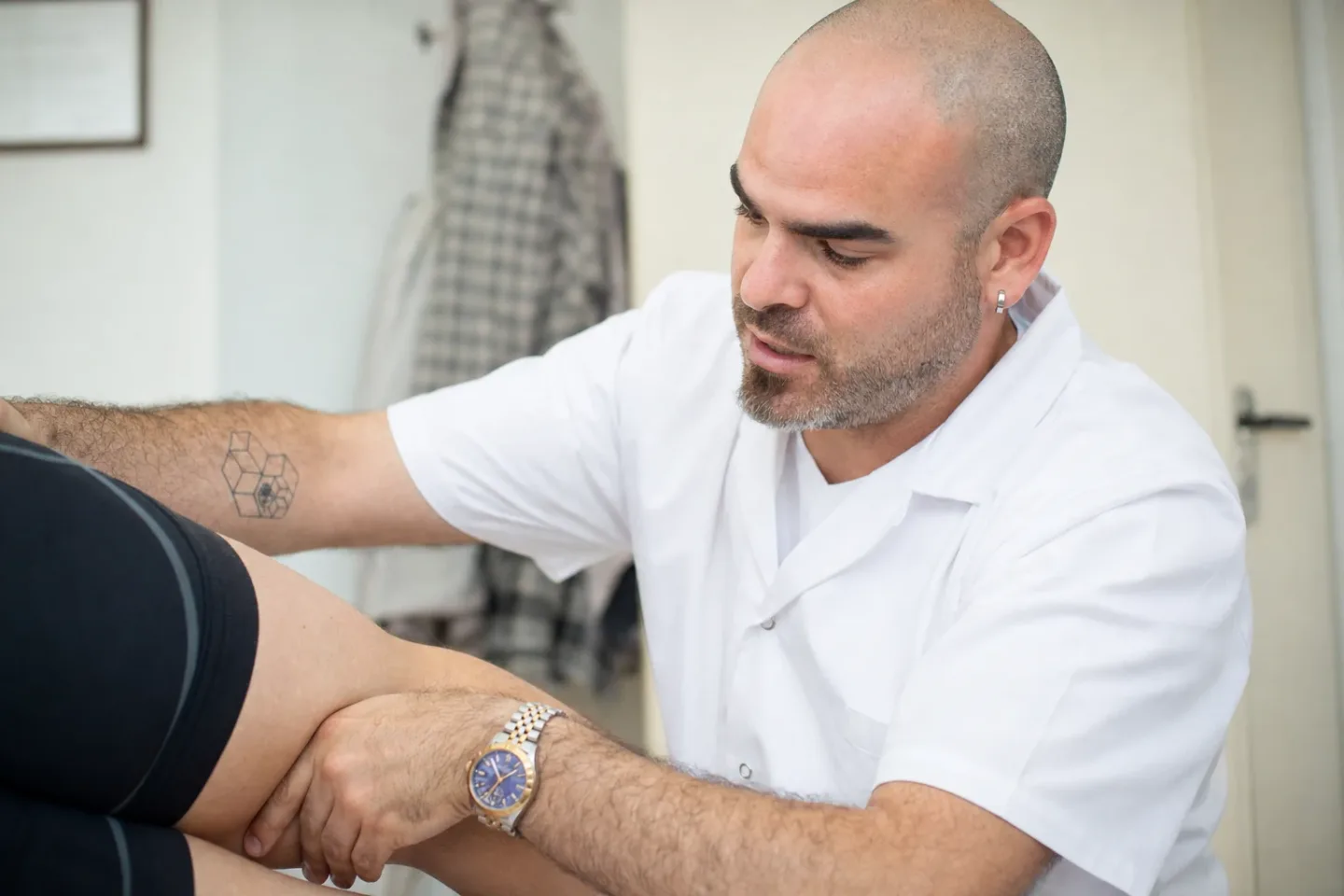
I'm Roman Kibler‚ an osteopath D.O in Kiryat Tivon‚ and I examine the thigh together with the pelvis‚ the back and the knee to understand why the muscle tightened in the first place.
Leave your details or call me‚ and together we will find out what is loading your thigh and how to get you moving again!
Tight thigh muscles are a common complaint that appears after physical activity‚ long walks‚ long sitting‚ a return to training or a sharp movement. Sometimes it is a simple local tightening‚ and sometimes thigh muscle pain is part of a wider picture that includes the lower back‚ the pelvis‚ the knee or the walking pattern. So the important question is not only how to loosen tight thigh muscles‚ but why they tightened.
Thigh muscle tightness can be at the front‚ back‚ inner or outer side of the thigh. It is felt as a dull load‚ a sharp pain with movement‚ difficulty straightening or bending the leg or tenderness on the stairs. For some people the pain improves after warming up‚ and for others it gets worse the longer they walk‚ and this difference helps show what lies behind it.
How to Loosen Tight Thigh Muscles Without Making the Pain Worse?
When people look for how to loosen tight thigh muscles‚ many immediately try to stretch hard or massage forcefully. Sometimes this helps‚ but not always: if the muscle is tight because of overload‚ a gentle stretch and controlled movement help. If it is tight to protect another painful area‚ a strong stretch actually increases the sensitivity.
So start with light movement in a range that does not hurt‚ a short walk and a gentle warm-up‚ and check whether the feeling improves. There is no need to reach a maximal stretch on the first day with tight thigh muscles. This is how you learn to release tight thighs without turning simple strain into an injury.
Simple Steps for Release at Home
- A relaxed walk of a few minutes to warm up the leg.
- Slowly bending and straightening the knee‚ lying down or sitting.
- Swinging the thigh forward and back in a comfortable range‚ with a hand on a wall for support.
- A gentle stretch of 20-30 seconds‚ without sharp pain.
- Local heat or a hot shower‚ if they feel pleasant to you.
- Slow‚ deep breathing during the movement‚ so you do not "hold" the muscle.
Knowing how to stretch thigh muscles gently is often enough: if the pain appeared after a workout or clear strain‚ relative rest and a graded return often do the job. If the pain is sharp‚ gets worse‚ or comes with swelling‚ weakness‚ numbness or difficulty putting weight on the leg‚ you need a professional examination‚ not only release at home.
Tight Thigh Muscles at the Front‚ Back or Inner Side
Tight quad muscles at the front of the thigh are often linked to running downhill‚ squats and long sitting with the hip bent. Tight quads and front thigh pain are common in runners for exactly this reason.
At the back of the thigh‚ thigh muscle tightness appears with sprints‚ kicks and lifts‚ and on the inner thigh with sharp changes of direction and with splits. Where the tight thighs are felt guides the examination and the type of exercise that suits you.
When Is It No Longer Just a Tight Muscle?
Pain that appeared all at once during a sprint or a kick‚ with a "click" or a sharp pull‚ followed by bruising or difficulty walking‚ may point to a muscle tear and not to tight thigh muscles. A pulled thigh muscle or a thigh muscle strain of this kind is not stretched or massaged forcefully; it needs an examination.
Swelling and warmth in one leg‚ especially after a flight or surgery‚ also need a doctor at once.
Tight Thigh Muscles and the Link Between the Pelvis‚ the Back and the Knee
The thigh does not work alone: with every step it is affected by the pelvis‚ the lower back‚ the knee and the ankle. If the pelvis does not move in a balanced way‚ if the lower back is stiff or if the knee hurts‚ the thigh muscles work harder to stabilize the body. In such a case tight thigh muscles are sometimes a sign that the muscle is compensating for strain that comes from somewhere else.
When I examine tight thigh muscles‚ I do not settle for pressing on the painful spot. The examination includes walking‚ the range of movement of the hip‚ pelvic movement‚ the balance between the two sides‚ knee function and ankle movement. Once the chain of strain is understood‚ the muscle's need to "hold" the body can be reduced.
Long Sitting and the Front of the Thigh
Someone who sits for many hours shortens the muscles at the front of the thigh and in the groin over time. When they get up and walk‚ these muscles pull the pelvis forward‚ and the lower back and the back of the thigh work harder. Getting up every 40-50 minutes and moving the hip briefly reduces this load and the thigh muscle tightness that comes with it.
The Calf‚ the Knee and the Thigh as One Chain
Sometimes people come with tight thigh muscles‚ and the examination shows that the calf is also loaded or tightens after activity. This is common in people who went back to running‚ walked a lot after a period of inactivity‚ changed shoes or started strength training for the legs. The calf and the thigh affect each other through the knee and the ankle.
When the load also reaches the back of the lower leg‚ tight calf muscles can be part of the same picture. If the hip does not move freely‚ the stride changes and the calf works harder to push off the ground. If the calf is the first source of pain‚ you get tight thigh muscles as compensation‚ so it is important to identify the direction.
The Thigh and the Knee When Running
Running needs coordination between the foot‚ ankle‚ calf‚ knee‚ thigh and pelvis. If the thigh does not stabilize the knee‚ if the pelvis "drops" to one side or if the ankle does not absorb load‚ the knee takes repeated strain. That is why knee pain after running is often linked to a wider movement pattern and not only to the knee joint.
When you have tight thigh muscles‚ the body shortens the stride‚ changes the knee angle or loads one side. So the return to running‚ even after you have learned how to loosen tight thigh muscles‚ is gradual: low volume‚ checking the response the next day and no sharp jumps in load.
Front Knee Pain and Thigh Function
Front knee pain appears around the kneecap on stairs‚ when squatting‚ getting up from a chair or running. The knee is affected by the position of the thigh and by the control of the pelvic muscles‚ so unbalanced thigh function changes the load on its front. When the load concentrates around the kneecap and causes kneecap pain‚ I also check the rotation of the thigh and the movement of the ankle when the foot lands.
Local Tenderness Around the Knee
Not every pain near the knee is linked to tight thigh muscles. Around the knee there are tendons and bursae that react to repeated load‚ local pressure or long kneeling. When the pain is localized‚ tender to touch and comes with swelling‚ knee bursitis is part of the differential diagnosis‚ so I do not assume the whole problem comes from the thigh.
Local warmth‚ redness or a suspected infection around the knee need a doctor.
Pain Spreading Down the Leg and the Sciatic Nerve
Thigh pain is not always muscular. When it comes with pain spreading from the back or the buttock along the leg‚ numbness‚ tingling‚ burning or reduced sensation‚ nerve involvement is checked too. Pain like this sometimes feels like tight thigh muscles‚ but the source is different‚ and strong work on the muscle does not suit an irritated nerve.
When sciatic nerve pain is a possibility‚ the examination looks at the lower back‚ the pelvis‚ the path of the pain‚ sensation and muscle strength. Progressive weakness‚ a significant loss of sensation‚ a disturbance in bladder or bowel control or unusual pain need an immediate medical workup.
What Does an Osteopath Do for Tight Thigh Muscles?
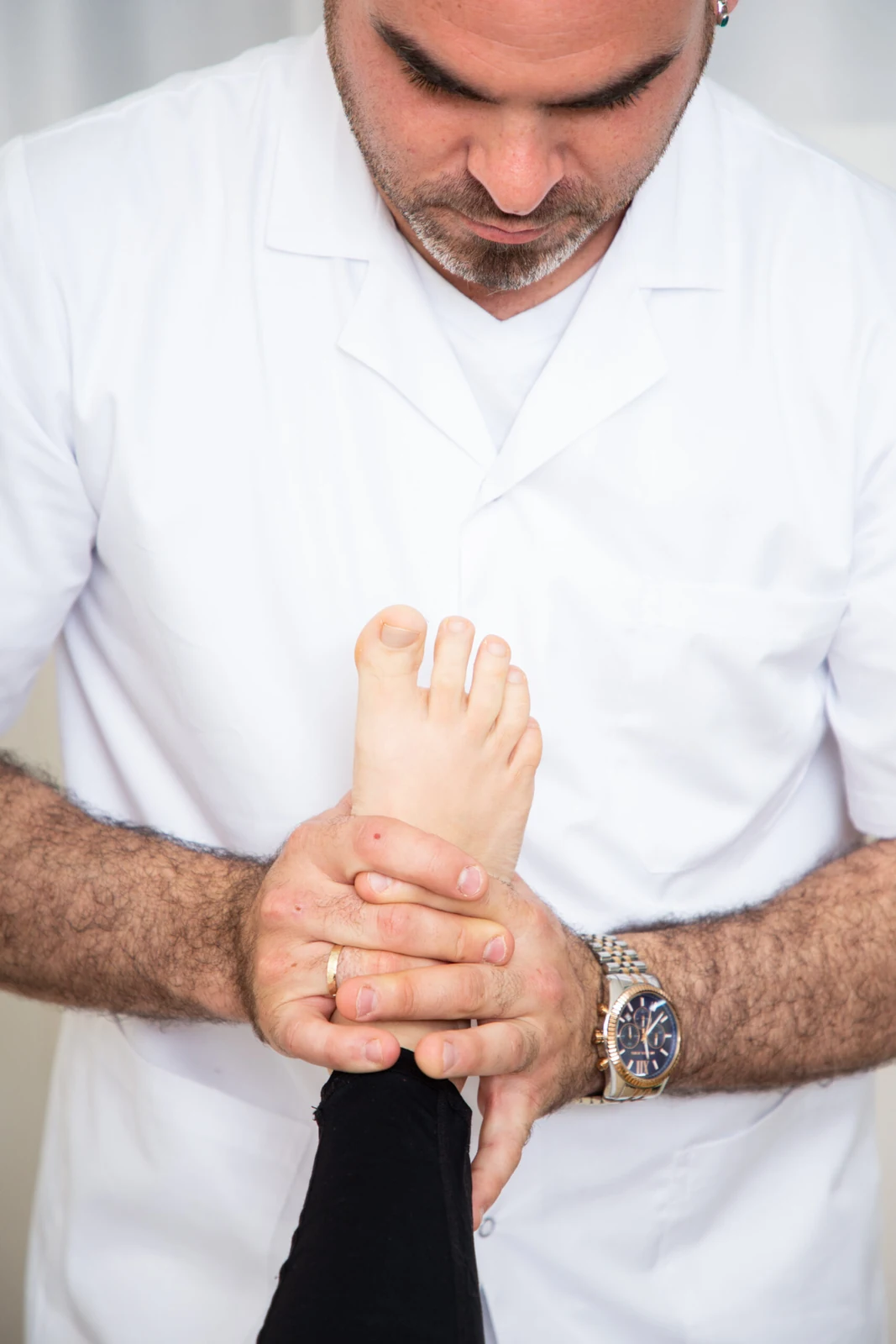
Treatment starts with questions: when the pain began‚ whether there was new load‚ whether it appears when walking or at rest and whether there is spreading pain‚ numbness‚ back pain or knee pain. Then I check the movement of the hip‚ pelvis‚ back‚ knee and ankle‚ to understand whether the tight thigh muscles come from local strain‚ compensation or irritation from another source.
The treatment itself includes gentle manual work on soft tissues‚ improving joint mobility‚ reducing tension around the pelvis and thigh and guidance for exercise at home. The aim is not only for tight thigh muscles to feel released for a few hours‚ but to reduce the strain that brings the tightening back. The first session lasts about an hour‚ and follow-up sessions about 45 minutes.
I studied osteopathy for five years‚ including 1,000 clinical hours‚ and I have worked as a massage therapist since 2017 and as an osteopath at Maccabi Tivi since 2022. If you are looking for an osteopath in Kiryat Tivon for tight thigh muscles‚ my clinic is at 6 Karkom Street. Some private insurance companies refund part of the cost of treatment.
How Is This Different From a Conventional Approach?
In conventional medicine thigh muscle pain is met with relative rest‚ painkillers as needed‚ referral to physiotherapy and imaging when a significant injury is suspected. This approach is especially important when there is an injury‚ acute pain‚ swelling‚ a large bruise or weakness.
The osteopathic approach adds a functional view‚ and it suits people whose tight thighs keep coming back despite rest and stretching in particular.
Returning to Activity After Tight Thigh Muscles
The return to movement should be gradual and not based only on the pain disappearing for a moment. When the pain goes down‚ start with a short walk‚ gentle exercise and comfortable ranges of movement‚ and then add walking time‚ pace‚ gentle strengthening and only at the end intense activity. Sharp pain or the pain coming back strongly is a sign that the load came too early.
Also listen to the response on the next day‚ because sometimes you feel fine during the activity and the flare-up appears only the day after. The right work does not aim for a fast return at any cost‚ but for a stable return in which the body learns again to move without going into protection mode.
How Do You Prevent Tight Thigh Muscles Next Time?
A warm-up of a few minutes before training‚ a gradual increase in load‚ drinking enough and good sleep reduce the chance of tight thigh muscles that come back again and again. Strengthening the buttock and thigh muscles‚ together with movement breaks when sitting‚ helps no less than stretching. These habits also lower the risk of a thigh cramp during exercise.
Is It Time to Get Checked?
Get checked when the pain lasts more than a few days without improvement‚ keeps coming back‚ limits walking‚ disturbs sleep or comes with spreading pain‚ numbness‚ weakness or significant back pain. Pain after a sharp movement‚ a fall or intense training also justifies an examination‚ especially with bruising‚ swelling or difficulty putting weight on the leg.
You need a doctor when there is progressive weakness‚ reduced sensation‚ unusual pain‚ fever‚ significant swelling‚ a suspected tear or symptoms that do not fit ordinary muscle strain. Osteopathic treatment fits in once the situation suits it‚ and it does not replace a medical workup.
Tight Thigh Muscles - What to Remember
Tight thigh muscles can be a simple local problem‚ but sometimes they are part of a wide picture that includes the pelvis‚ the back‚ the knee‚ the ankle or the nervous system. So local release alone is not always enough‚ and you need to check what makes the pain worse‚ how the leg moves and whether there is spreading pain.
When there are no warning signs‚ a broad examination‚ gentle manual contact and a gradual return to activity help the body reduce strain. The aim is not only to know how to loosen tight thigh muscles today‚ but to stop the pain from coming back in the same pattern.
Frequently asked questions
How long does it take to release tight thigh muscles?
Mild thigh muscle tightness after effort often improves within a few days with gentle movement. If there is no improvement after about a week‚ or the pain gets worse‚ get checked.
Is heat or cold better for tight thigh muscles?
For tight thigh muscles without an injury‚ gentle heat calms the muscle for most people. After a blow‚ a possible tear or swelling‚ brief cooling suits better‚ and you should get checked.
Can I keep training with tight thigh muscles?
You can keep up light activity that does not hurt‚ such as walking or relaxed cycling. Intense training‚ sprints and jumps are best postponed until the pain settles.
Does a foam roller help tight thighs?
A roller with moderate pressure eases some people and improves the feeling of movement. Too much pressure on a sensitive area‚ or on a leg with a suspected tear‚ can make the pain worse.
Why do tight thigh muscles keep coming back?
Recurring thigh muscle tightness is often linked to strain that comes from the pelvis‚ the back or the walking pattern‚ and not only from the muscle itself. Examining the whole chain helps find the source.
How do you know it is a tear and not tightness?
A tear usually appears all at once with sharp pain‚ sometimes with a pulling feeling or a "click"‚ followed by bruising‚ swelling and difficulty walking. In such a case do not stretch‚ and get checked.
Can thigh pain come from the back?
Yes‚ irritation of a nerve in the lower back sometimes spreads to the thigh and feels like tight thigh muscles. Numbness‚ burning or weakness in the leg need an examination of the back.
How many osteopathic sessions are needed?
In simple cases a few sessions alongside exercise at home are enough. When the problem has been coming back for years‚ I build a longer plan and check the progress at every session.
Does stretching before running prevent tightness?
A dynamic warm-up of a few minutes‚ such as brisk walking and leg swings‚ prepares the muscles better than a long static stretch. Long stretches suit the time after training better.
How to loosen tight thigh muscles after running?
Finish with a relaxed walk of a few minutes‚ drink and do a gentle stretch of the front and back of the thigh. On the next day light movement is better than complete rest‚ and if the pain is sharp or gets worse‚ get checked.
Table of Contents
- How to Loosen Tight Thigh Muscles Without Making the Pain Worse?
- Simple Steps for Release at Home
- Tight Thigh Muscles at the Front‚ Back or Inner Side
- When Is It No Longer Just a Tight Muscle?
- Tight Thigh Muscles and the Link Between the Pelvis‚ the Back and the Knee
- Long Sitting and the Front of the Thigh
- The Calf‚ the Knee and the Thigh as One Chain
- The Thigh and the Knee When Running
- Front Knee Pain and Thigh Function
- Local Tenderness Around the Knee
- Pain Spreading Down the Leg and the Sciatic Nerve
- What Does an Osteopath Do for Tight Thigh Muscles?
- How Is This Different From a Conventional Approach?
- Returning to Activity After Tight Thigh Muscles
- How Do You Prevent Tight Thigh Muscles Next Time?
- Is It Time to Get Checked?
- Tight Thigh Muscles - What to Remember
- Frequently asked questions
