
Calf Muscle Pain - Getting Your Lower Leg Moving Freely
16 min read
Has your calf been tight for days after a run or a long walk‚ and it just won't let go? Do you wake up at night with a sharp cramp in your lower leg and dread putting your foot down in the morning? Do you go back to training and feel the same pull behind the knee all over again?
I'm Roman Kibler‚ an osteopath (D.O.) with a clinic in Kiryat Tivon‚ and I examine the whole chain of movement from the lower back to the ankle to understand why your calf keeps tightening up.
Leave your details or call me‚ and I'll check with you what is behind your calf muscle pain and how to get your lower leg moving freely again!
The gastrocnemius is the large muscle at the back of the lower leg‚ and it takes part in almost every step you take: walking‚ standing‚ climbing stairs‚ running‚ jumping and pushing the foot off the ground. When you have tight calf muscles‚ the feeling can range from mild stiffness to sharp calf pain that makes it hard to put weight on the foot‚ walk or get back to your activities.
In some people the tightness shows up after a workout‚ in others after standing for a long time or at night‚ and sometimes it builds up without any single clear event. In this article I'll go through the common causes‚ the difference between a tight muscle and a strain or a tear‚ careful ways to release it‚ and the signs that mean you should see a doctor.
The muscle has two heads that start above the knee joint and join the soleus muscle to form the Achilles tendon. Because it crosses both the knee and the ankle‚ it is affected by any change in the way these two joints move. When your calves are tight‚ the muscle fibers stay contracted and tense even when the leg is supposed to be resting.
In practice‚ people with tight calves feel that the lower leg is short and hard‚ their stride gets shorter and rising onto the toes becomes uncomfortable. Sometimes the calf muscle pain is very local‚ like a small knot in the middle of the calf‚ and sometimes it spreads along the whole back of the leg.
It is important to understand that calf pain is not always just "a tight muscle". Sometimes it is ordinary muscle overload‚ sometimes a strain or a small tear in the muscle fibers‚ and sometimes pain influenced by the lower back‚ the pelvis‚ a nerve‚ the knee‚ the ankle or an unbalanced walking pattern.
Why Do Tight Calf Muscles Keep Coming Back?
Tight calf muscles are usually the result of a load the muscle did not have time to recover from. The cause can be an unusual effort‚ returning to activity too quickly‚ running uphill‚ walking for a long time‚ strength training that does not suit you‚ or not enough recovery between workouts.
Load‚ Shoes and Daily Routine
Shoes that don't suit you‚ a sudden switch to flat shoes or to high heels‚ sitting for long periods with your legs folded and working on your feet can all overload the lower leg and leave you with calf muscle tightness at the end of the day. In many cases it starts as mild stiffness‚ mostly in the morning or after sitting‚ and later turns into calf pain while walking or while pushing the foot off the ground.
Night Cramps and Tight Calves in the Morning
For some people the tightness actually starts at night‚ with a sudden cramp that wakes them up. After a cramp like that‚ tight calves that are sensitive to touch often remain for a day or two. These cramps are more common after physical effort‚ with tiredness‚ during pregnancy and at an older age‚ and if they come back often‚ it is worth telling your family doctor about them.
Calf Muscle Pain That Covers for Another Joint
A muscle under tension is not necessarily "a local problem". Sometimes it works too hard because the ankle is restricted‚ because the knee does not move freely‚ because the hip does not stabilize well‚ or because the pelvis and lower back change how the load is spread along the leg. If you only look at the calf and do not check the rest of the body‚ you can miss the reason why the calf muscle pain keeps coming back.
Calf Pain After Running and Other Exercise
Calf pain after running or other exercise can be a normal response to load‚ especially after a new workout or a big jump in training volume. Delayed onset muscle soreness tends to appear gradually‚ peaks after a day or two and gets better within a few days. Sore calves a day or two after a workout that improve step by step are usually a good sign.
On the other hand‚ a sharp pain that appeared at a specific moment‚ a feeling of a "pull" or a "kick" in the calf‚ difficulty putting weight on the foot‚ swelling or bruising may point to a more significant strain or a tissue injury. In these situations‚ do not rush back to running or intense training‚ because returning too early can stretch out the recovery and turn a temporary pain into a recurring problem.
Calf Muscle Pain That Appears When Walking and Goes Away at Rest
Calf muscle pain that comes back again and again after a fixed walking distance and disappears within minutes of rest is not a typical pattern of a tight muscle. A symptom like this can also come from a problem with the blood flow to the leg or from a nerve source‚ so it calls for a check-up with a doctor before any hands-on treatment.
Calf Pain and the Way You Walk
Calf pain can appear when the body changes its walking pattern to avoid pain somewhere else. Knee pain‚ a restricted ankle or a load on the pelvis can make you take shorter steps‚ land differently or put more weight on one side‚ and over time this leaves you with tight calf muscles even during simple activities.
Calf Strain or Just Tight Calves?
It is not always easy to tell tight calves from a calf strain. Tight calf muscles usually feel like stiffness‚ load or a diffuse ache‚ and they sometimes ease after a warm-up and gentle movement.
A strain of the gastrocnemius usually appears suddenly‚ while running‚ jumping‚ changing direction or pushing off hard with the leg. Gastrocnemius pain from a strain is more focused‚ and sometimes there is tenderness to touch‚ difficulty rising onto the toes or a feeling of weakness.
Signs That Point to a Tissue Injury
A feeling of a "kick" from behind‚ as if someone hit your calf‚ a dent or swelling that appears quickly‚ bruising that spreads down toward the ankle and being unable to stand on your toes are signs that call for a medical check-up. In such cases there may be a muscle tear or a tendon injury‚ and the first-line care is completely different from treating a tight muscle.
If there is sharp pain or a suspicion of a significant injury‚ strong stretches or a deep massage right away are not recommended. The muscle needs time to calm down‚ and the wrong kind of load at an early stage can make the irritation worse.
How to Loosen Tight Calves Safely?
How to loosen tight calves is one of the most common questions I hear‚ and the answer sometimes surprises people: you don't have to start with a hard stretch. Often gentle movement‚ easy walking‚ local warmth‚ calm breathing and temporarily reducing the load work better.
When your calves are tight and the muscle is in a protective state‚ an aggressive stretch can make it contract even more. That is why it is better to start within comfortable ranges‚ notice what helps and what makes it worse‚ and progress only when the pain does not go up.
Simple Steps for Releasing Tight Calf Muscles at Home
- Gentle ankle movements up and down‚ sitting or lying down‚ 10-15 repetitions several times a day.
- Easy walking on flat ground‚ without hills and without pushing yourself to cover a distance.
- Local warmth or a warm shower before moving‚ when there is no swelling and no fresh injury.
- A gentle stretch against a wall with a straight knee and then with a bent knee‚ 20-30 seconds‚ without sharp pain.
- Gently rising onto the toes on both feet together‚ only if it does not hurt.
If the calf pain comes back every time you try to be active‚ if there is swelling or if it is really hard to put weight on the foot‚ stop and get it checked. You will find more principles for self-release all over the body in the article on how to release tight muscles‚ which also explains when self-massage helps and when it makes things worse.
What Should You Avoid When Your Calves Are Tight?
Don't press hard on a painful spot for long minutes‚ don't bounce into a stretch and don't run "through the pain". A very strong massage in the first days after an injury can also increase the irritation. The goal is not only to release the muscle in that moment‚ but to understand why it tightened up in the first place.
Calf Pain That Comes From the Knee‚ the Thigh or the Back
The calf is one link in a chain‚ and calf muscle pain often reflects what happens higher up. In runners‚ for example‚ knee pain after running and tight calves often show up together‚ because a small change in how you land shifts load from the knee to the calf and back again. If you suffer from both‚ you will find a detailed explanation of knee pain after running and of the ways to take the load off the joint.
The thigh also affects the calf: stiff muscles at the front and back of the thigh change the angle of the knee with every step. When the thigh is stiff and you also have tight calf muscles‚ it is worth reading about tight thigh muscles as well‚ because sometimes releasing the thigh takes the load off the calf without touching it directly.
The Lower Back and Its Effect on Calf Pain
Nerves that leave the lumbar spine take part in the sensation and movement of the leg‚ and the lower back also affects how the pelvis‚ hip‚ knee and calf move. When the back is stiff or the movement pattern changes‚ the body may compensate through the legs‚ and the calf can end up taking on extra load.
When you have back pain at the same time as calf pain‚ treatment that focuses only on the calf may be partial. If you also feel a tight lower back‚ the stiffness in the lumbar area may be affecting your walking‚ how you spread your weight and the ability of the leg to work freely.
Nerve Pain That Looks Like a Tight Muscle
There are situations where it seems that you simply have tight calves‚ but the pain does not come from the muscle itself. When the pain comes with numbness‚ a burning feeling‚ reduced sensation‚ weakness or pain that travels from the back to the buttock and the leg‚ a nerve source should also be considered‚ such as a herniated disc or narrowing of the spinal canal.
When an irritated sciatic nerve is suspected‚ it is important to understand that the pain involves a nerve pathway and not only a muscle. You will find a description of the symptoms and the right tests in the article on sciatica‚ and in any case of weakness or reduced sensation you should get a medical assessment.
Calf Muscle Pain - What Does Osteopathic Treatment Look Like?
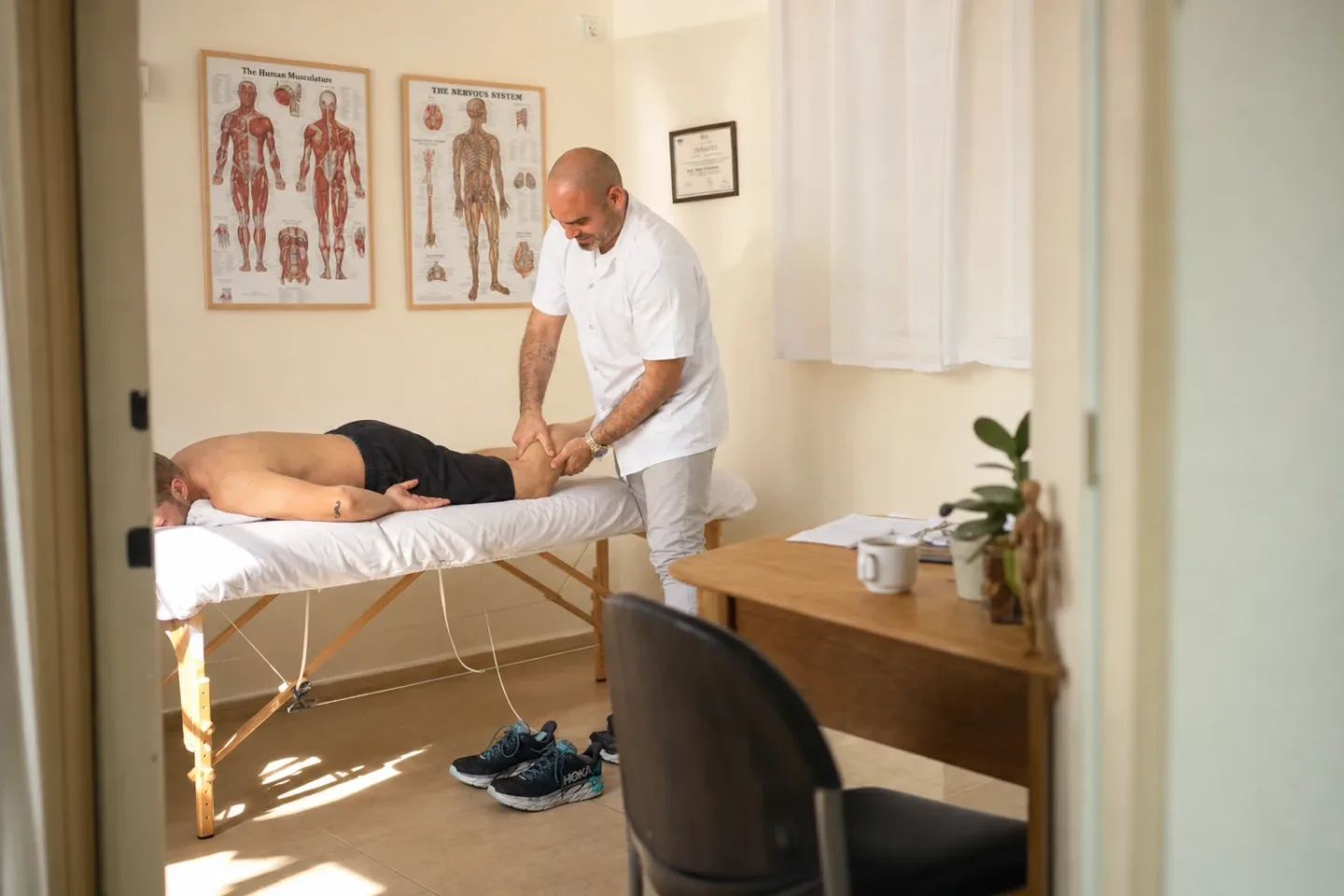
When you come to me with calf muscle pain‚ the osteopathic assessment starts with questions: when the pain appeared‚ whether there was any unusual activity‚ whether the pain is sharp or dull‚ whether it gets worse when walking‚ running or at rest‚ and whether there is back pain‚ numbness or weakness. After that I examine the calf itself‚ but also the ankle‚ knee‚ hip‚ pelvis and back.
During the examination I assess ranges of motion‚ tenderness to touch‚ the ability to rise onto the toes‚ the way you put your foot down and differences between the two sides. If there is a suspicion of an acute injury‚ a significant tear‚ a blood vessel problem or nerve symptoms‚ I refer you for the right medical assessment before any hands-on treatment.
What Does the Treatment Itself Include?
When the pain is suitable for conservative care‚ treatment may include gentle work on the soft tissues of the calf‚ improving movement in the ankle and knee‚ work on the hip and pelvis‚ and attention to the lower back if it affects how the leg works. Instead of stopping at the question "where does it hurt?"‚ the treatment asks "why is this area working too hard?".
This approach is especially useful when tight calf muscles come back again and again‚ when they tighten up after relatively light activity‚ or when there is a clear compensation pattern. At the end you get simple exercises for home and guidance for a gradual return to activity.
Treatment With an Osteopath in Kiryat Tivon
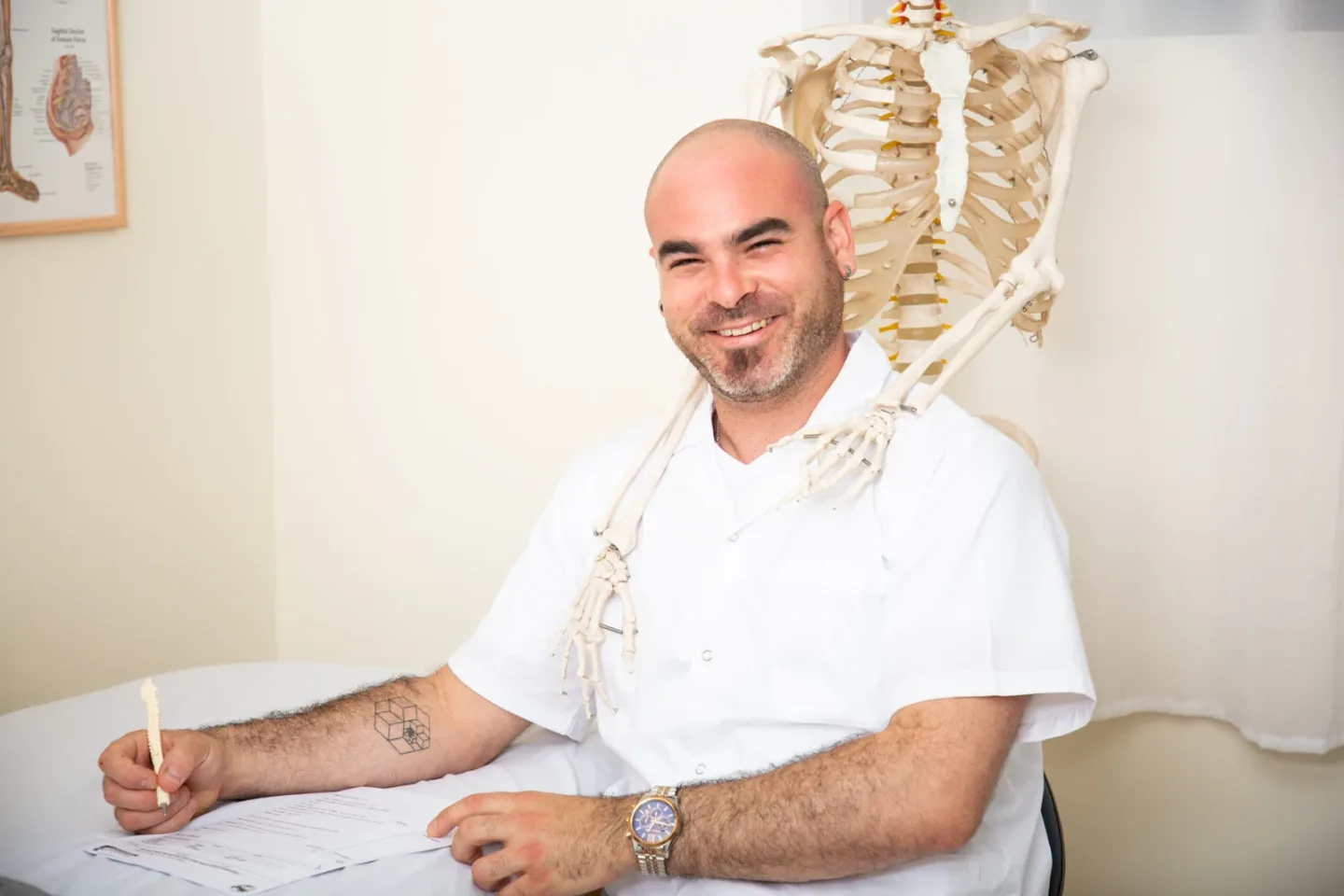
I'm Roman Kibler‚ an osteopath in Kiryat Tivon. I studied osteopathy for five years‚ including 1000 clinical hours‚ I have worked as an osteopath at Maccabi Tivi since 2022‚ and I have practiced therapeutic massage since 2017. A first treatment lasts about an hour and includes a thorough examination‚ and follow-up treatments last about 45 minutes.
Osteopathic treatment does not replace a medical diagnosis‚ but it can add an understanding of load and movement patterns. In many cases of calf muscle pain this allows more personal treatment‚ especially when the pain does not come from one sharp event but from a load that has built up over time.
When Do Tight Calf Muscles Need a Doctor?
Most cases of tight calf muscles improve with less load‚ gentle movement and time. However‚ there is a picture in which you should not wait and should not start hands-on treatment before a medical check-up.
- Swelling of one calf‚ local warmth‚ redness or tenderness along the calf‚ especially after a long flight‚ surgery‚ a long period lying down or during pregnancy.
- Shortness of breath or chest pain together with calf pain - go to the emergency room immediately.
- A sudden strong pain with a feeling of a "kick"‚ extensive bruising or being unable to put weight on the foot.
- Ongoing numbness‚ weakness‚ reduced sensation or back pain that travels into the leg.
- Pain that does not improve after one to two weeks of reduced load‚ or that gradually gets worse.
Back pain that travels into the leg may come from a disc herniation in the lowest lumbar vertebrae‚ which sometimes shows up precisely as calf pain and foot symptoms: pain that travels along the leg‚ numbness in the heel or the foot‚ or difficulty standing on the toes of one foot.
If you recognize a picture like this‚ you will find more detail about a herniated disc in the lower back and its symptoms‚ and if weakness increases or bladder control changes‚ see a doctor immediately.
It is especially important not to ignore swelling and pain in the calf that come with unusual tenderness or a change in color‚ because a blood clot in the leg veins requires an urgent assessment. Also after an accident‚ a fall or a significant blow‚ calf pain should be checked before starting hands-on treatment‚ even if it seems to be only muscle stiffness.
Calf Pain During Pregnancy
During pregnancy‚ night cramps in the calf‚ tight calves in the morning and heavy legs are more common‚ because of changes in blood flow‚ in weight and in the way you walk. Detailed information about leg pain during pregnancy will help you tell ordinary load apart from a situation you should report to the team following your pregnancy.
Returning to Activity and Preventing Tight Calves
When tight calf muscles start to release‚ the return to activity should be gradual‚ because even if the pain has gone down‚ the muscle may still be sensitive to a high load. It is usually right to start with comfortable walking‚ gentle mobility and light strengthening‚ and to add running‚ jumps‚ sprints and hills only when there is no significant pain and the strength in both legs is similar.
It is important to listen to how your body responds after activity. If the calf pain comes back the same evening or the next day‚ the load may have been too high and the calf is signaling it‚ and if there is gradual improvement without getting worse‚ you can progress.
Habits That Lower the Risk
Most people who keep getting calf muscle tightness benefit from changing a few simple habits:
- A gradual increase in training volume‚ without sharp jumps from week to week.
- A warm-up of a few minutes before running‚ including brisk walking and ankle movements.
- Regular strengthening of the calf muscles with heel raises‚ two or three times a week.
- Shoes that suit the activity‚ replaced when they wear out.
- Drinking enough and sleeping enough during periods of intense training.
Bottom Line: Calf Muscle Pain Is a Sign‚ Not a Diagnosis
Tight calf muscles can appear after muscle overload‚ physical activity‚ a strain‚ movement compensation or the influence of other areas such as the ankle‚ knee‚ thigh‚ pelvis and lower back. To treat them properly‚ it is important to understand whether this is an ordinary tight muscle‚ a local injury or pain that comes from a nerve or a blood vessel.
When your calves are tight and there are no warning signs‚ gentle movement‚ less load and treatment that looks at the body as one system usually help the calf return to full function. When there is unusual pain‚ numbness‚ weakness‚ significant swelling or difficulty putting weight on the foot‚ see a doctor first.
Frequently asked questions
How Long Can Tight Calf Muscles Last?
Simple tightness after an effort usually improves within a few days to a week with less load and gentle movement. If tight calf muscles last more than two weeks‚ or the pain gets worse instead of better‚ it is worth getting checked so that the cause of the calf muscle pain can be found.
How Do You Release a Tight Calf Quickly?
There is no magic trick‚ but when your calves are tight without an injury‚ local warmth‚ gentle ankle movements‚ easy walking and a soft stretch without sharp pain help most people. A forced stretch or a very deep massage in the first days can actually make it worse.
What Is the Difference Between Calf Muscle Pain and a Tear?
Calf muscle pain that comes from tightness is more diffuse and improves with a warm-up. A tear appears in one moment‚ sometimes with a feeling of a "kick"‚ swelling‚ bruising and difficulty standing on the toes‚ and it requires a medical check-up.
Can I Keep Running With Tight Calves?
When it is mild stiffness that disappears after a warm-up‚ an easy‚ slow run can be fine. If the pain gets worse while running‚ changes your stride or comes back strongly the next day‚ it is better to stop and reduce the load.
Why Do My Calves Get Tight Specifically at Night?
Night cramps are common after a day of effort‚ with tiredness‚ during pregnancy and at an older age‚ and sometimes also because of a sleeping position with the foot pointing down. Cramps that come back often are worth checking with your family doctor.
Does a Calf Strain Require Complete Rest?
Usually not. With a mild strain‚ it is recommended to reduce the load but keep moving gently within a comfortable range‚ and to return to activity gradually according to the calf pain. Long complete rest can weaken the muscle and stretch out the recovery‚ and it often leaves you with tight calves once you start moving again.
When Is Calf Pain Dangerous?
When there is swelling of one calf‚ warmth‚ redness‚ tenderness along the calf or shortness of breath‚ see a doctor immediately because of a possible blood clot. Weakness‚ ongoing numbness or pain that appears every time you walk and goes away at rest also need an assessment.
Can an Osteopath Help When Tight Calf Muscles Keep Coming Back?
Yes‚ when there are no warning signs. An osteopath checks the ankle‚ knee‚ pelvis and back to find what overloads the calf‚ treats the tissues and joints and gives exercises that aim to stop the tightness from coming back.
Can Calf Pain Come From the Back?
Yes. An irritated nerve root in the lower back can feel like calf pain‚ especially when it comes with numbness‚ burning or pain that travels from the buttock. In that case releasing the calf alone will not be enough‚ the back needs to be checked‚ and sometimes a medical assessment is needed too.
Does Insurance Cover Osteopathic Treatment?
Some private insurance companies refund part of the cost of treatment‚ depending on the policy. It is worth checking with your insurance company before the treatment which document is needed for the refund‚ so that you have everything ready after the visit.
Table of Contents
- Why Do Tight Calf Muscles Keep Coming Back?
- Load‚ Shoes and Daily Routine
- Night Cramps and Tight Calves in the Morning
- Calf Muscle Pain That Covers for Another Joint
- Calf Pain After Running and Other Exercise
- Calf Muscle Pain That Appears When Walking and Goes Away at Rest
- Calf Pain and the Way You Walk
- Calf Strain or Just Tight Calves?
- Signs That Point to a Tissue Injury
- How to Loosen Tight Calves Safely?
- Simple Steps for Releasing Tight Calf Muscles at Home
- What Should You Avoid When Your Calves Are Tight?
- Calf Pain That Comes From the Knee‚ the Thigh or the Back
- The Lower Back and Its Effect on Calf Pain
- Nerve Pain That Looks Like a Tight Muscle
- Calf Muscle Pain - What Does Osteopathic Treatment Look Like?
- What Does the Treatment Itself Include?
- Treatment With an Osteopath in Kiryat Tivon
- When Do Tight Calf Muscles Need a Doctor?
- Calf Pain During Pregnancy
- Returning to Activity and Preventing Tight Calves
- Habits That Lower the Risk
- Bottom Line: Calf Muscle Pain Is a Sign‚ Not a Diagnosis
- Frequently asked questions
