
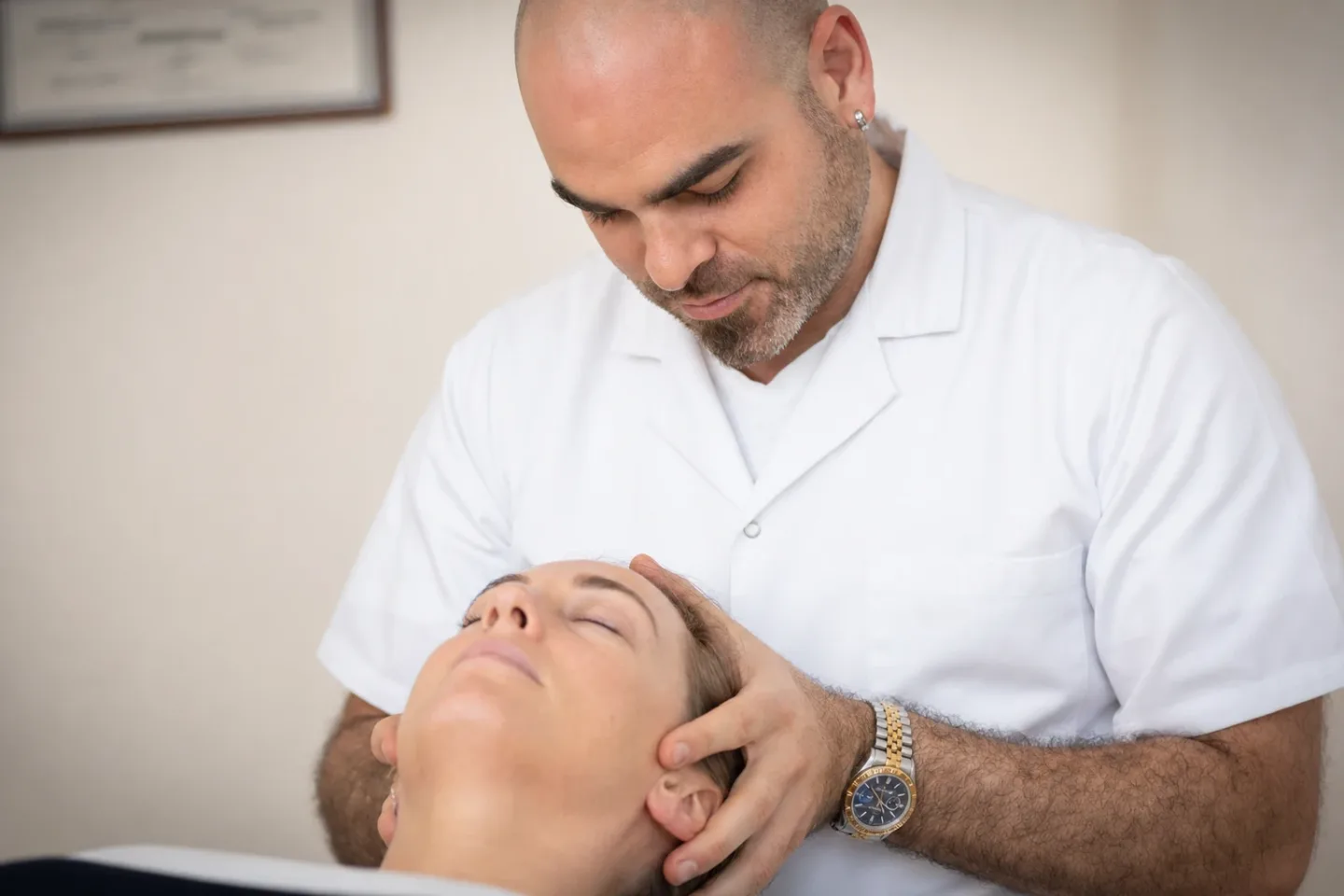
Occipital Bone - Its Link to Head and Neck Pain
11 min read
Does the pain start at the base of your skull and climb over the scalp or behind your eyes? After a day at the computer‚ is the back of your neck stiff and your head heavy? And are you wondering whether the pain really comes from your neck or from something else?
I'm Roman Kibler‚ an osteopath (D.O.) in Kiryat Tivon who examines the upper neck‚ the back and breathing as one whole‚ and who knows when to refer you to a doctor because the picture does not suit hands-on treatment.
Leave your details or call me‚ and I'll check with you what is overloading the back of your neck and what can bring relief!
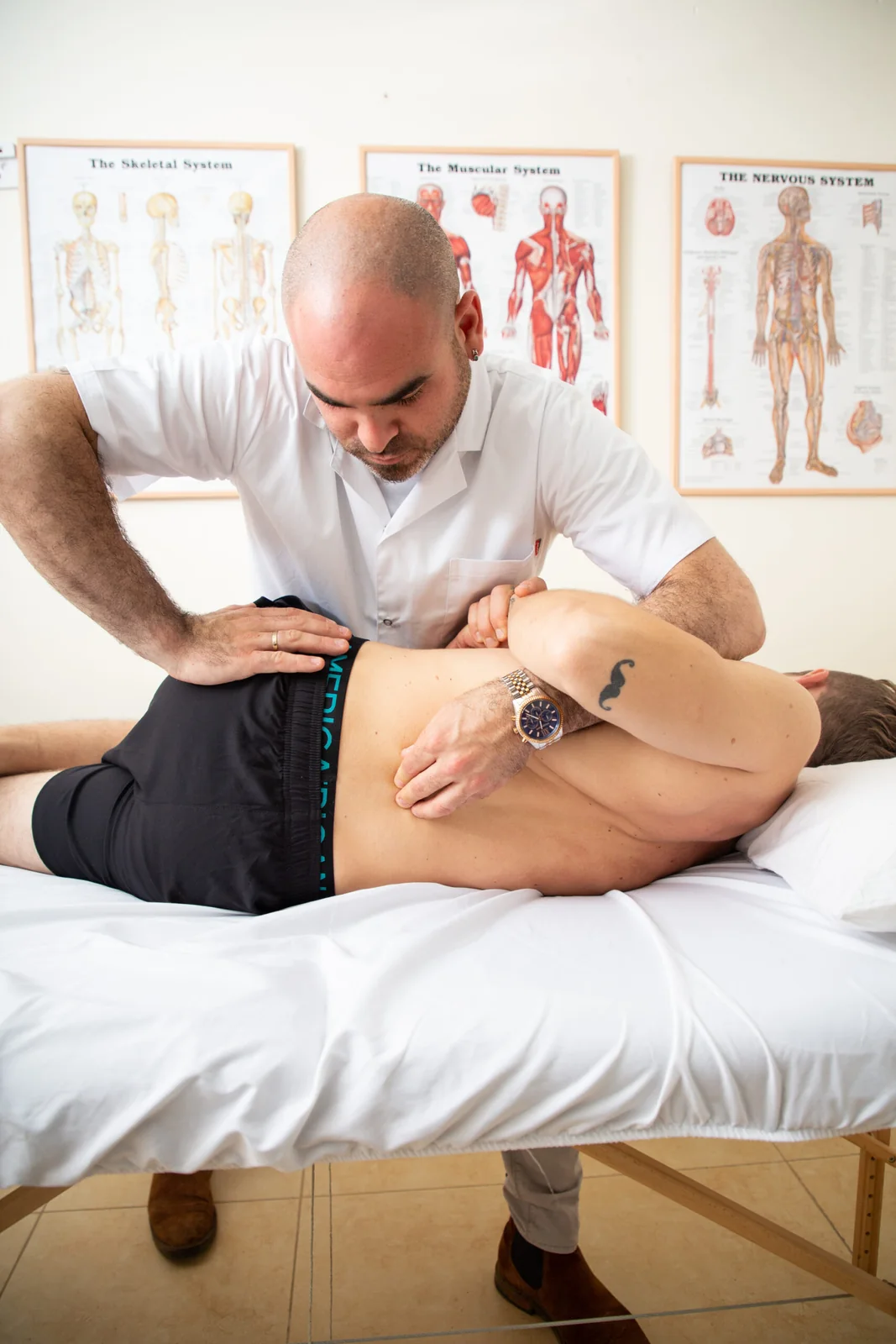
The occipital bone‚ or occiput‚ is the lower back part of the skull‚ the place where the head joins the neck. It is a relatively small area‚ but around it run muscles‚ ligaments‚ joints and nerves that affect how the head moves‚ your posture and the tension in your neck. When someone describes pressure at the back of the neck‚ pain that starts at the base of the skull or a heavy head‚ the occipital bone area is one of the first places I check.
It is important to be clear from the start: not every headache comes from the neck‚ and not every pain at the back of the neck is related to the occiput. Headaches come from many sources‚ including migraine‚ eye strain‚ sleep problems‚ emotional stress‚ blood pressure‚ infections and neurological problems. That is why the right treatment starts with a careful examination and a search for warning signs‚ not with a promise of a magic solution.
What Is the Occipital Bone and Where Is It in the Body?
Occiput is the Latin name for the back part of the skull‚ and in everyday English it is called the occipital bone. In this area the head sits on top of the two uppermost vertebrae of the neck‚ so it is a transition zone between the skull and the cervical spine. At the bottom of the bone there is a large opening through which the spinal cord passes‚ and on both sides of it there are joint surfaces on which the head rocks.
This transition has to allow gentle and precise movement: nodding‚ turning the head‚ keeping a steady gaze and balance. When there is a load in the area‚ it feels like stiffness‚ pain at the base of the skull‚ pressure at the back of the neck or difficulty moving the head freely. The small suboccipital muscles under the occipital bone are very sensitive to posture and tension.
The Occiput in Childbirth: What Is the OP Position?
The term occiput also comes up in the delivery room. In the position called OP (occiput posterior)‚ the baby's occiput faces the mother's back rather than her belly‚ which can make labor longer and cause stronger back pain during contractions. Many babies turn by themselves during labor‚ and the decisions about managing the birth belong to the midwifery and medical team.
The Occipital Bone and Headaches: What Is the Possible Link?
Sensory nerves run through the area of the occipital bone‚ including the occipital nerves that continue up to the scalp. When there is nerve irritation‚ muscle tension or mechanical load at the base of the skull‚ some people feel pain that starts at the back of the neck and climbs upward. Sometimes the occipital pain is sharp‚ burning or stabbing‚ and sometimes it is a steady pressure at the back of the head.
People who have suffered from pain at the back of the neck and head for a long time often find themselves with a mixed picture: a tension headache‚ a stiff neck and poor sleep all at once. You can read more on the topic in the article on headache warning signs‚ which also explains which headaches need an assessment. The examination tries to understand which part of the picture is related to the load around the occipital bone.
Occipital Headache From the Neck Versus Migraine
An occipital headache that comes from the upper neck tends to start at the back of the neck‚ gets worse in certain positions and changes with head movement. Migraine usually comes in attacks‚ sometimes with nausea and sensitivity to light and noise‚ and it requires medical diagnosis and follow-up. In some people both types appear together‚ and then migraine treatment from a doctor can go hand in hand with reducing the load on the neck.
Signs That Do Not Fit Occipital Bone Pain
A headache that is new‚ unusually strong or very sudden requires a medical assessment‚ especially with fever‚ confusion‚ weakness‚ speech or vision problems and repeated vomiting. Osteopathic care is suitable mainly when the picture points to a link between neck load‚ muscle tension and restricted mobility. When an urgent medical problem is suspected‚ see a doctor first.
How Is the Occiput Affected by Posture and Neck Load?
The head weighs several kilograms‚ and when it sits too far forward in relation to the body‚ the muscles at the back of the neck work harder to hold it. Over time this creates a constant load at the base of the skull and on the occipital bone. Working at a computer‚ long drives‚ lifting children‚ screens and sleeping in an uncomfortable position all add to the stiffness of the upper neck.
The back is part of the picture too. When the chest is stiff and the shoulders are held high‚ the neck has to compensate‚ and it becomes hard to breathe deeply‚ straighten up or turn the head. That is why treating the occiput alone is not always enough‚ and sometimes the upper back‚ the ribs and the shoulder blades need attention as well‚ as I explain in the article on back spasms.
The Jaw‚ Breathing and the Back of the Neck
Clenching the jaw at night‚ grinding the teeth and shallow breathing into the upper chest increase tension in the neck muscles. These muscles attach to the occiput at the base of the skull‚ so the load is felt as occipital bone pain or stiffness. During the examination I also ask about sleep‚ emotional stress and work habits.
Differential Diagnosis: When Is the Pain Not Only About the Occiput?
One of the most important things with head and neck pain is not to assume that the source is clear just from where it hurts. Pain at the back of the neck can be related to muscles‚ joints‚ nerves‚ the eyes‚ the jaw‚ emotional stress or other medical conditions. Pain that travels into the arm‚ numbness in the fingers‚ weakness or reduced sensation require a wider assessment than the occiput alone.
A sharp‚ stabbing pain like an electric shock that rises from the base of the skull over the scalp on one side sometimes fits a condition called occipital neuralgia‚ and that diagnosis is made by a doctor. Neck stiffness together with clumsy hands‚ difficulty doing up buttons or unsteady walking is not ordinary muscle load‚ because it can point to pressure on the spinal cord in the neck‚ so an explanation of "a tight muscle" is not enough.
Dizziness That Comes From the Neck
Some people feel‚ together with the pain at the back of the neck‚ unsteadiness or a slight fog when they move the head. This is sometimes called cervicogenic dizziness‚ but it is a diagnosis made only after a doctor rules out other causes‚ such as inner ear problems‚ blood pressure or a neurological problem. Sudden dizziness with speech or vision problems is an emergency.
Degenerative Changes in the Neck
Over the years the neck goes through natural degenerative changes in the discs and joints. Not every such finding causes pain‚ and some people with significant findings feel well while others with marked pain have mild findings. When there is cervical spondylosis‚ it is possible to work on what can change: mobility‚ muscle load‚ breathing‚ posture and work habits‚ without promising a structural change.
How Does an Osteopath Examine the Occipital Bone Area?
The examination starts with questions: when the pain started‚ where it is felt‚ whether it is sharp or dull‚ whether it travels‚ what makes it worse and what helps‚ and whether there were injuries or imaging tests. After that I check movement: turning the head‚ bending and straightening‚ how the upper back and chest move‚ breathing and the position of the shoulders. Sometimes I also check the pelvis and walking.
With my hands I check for tenderness around the base of the skull‚ tension in the deep suboccipital muscles‚ the mobility of the upper neck vertebrae and the link between the back of the neck and the shoulder blades. A good examination does not only find a painful spot around the occiput‚ it asks why this area is working too hard.
Osteopathic Care for Occipital Bone Pain
Treatment around the occipital bone is based on gentle manual techniques that aim to improve mobility and reduce the load on the tissues. It includes work on the muscles at the back of the neck‚ the neck itself‚ the upper back‚ the shoulder blades‚ the chest and the diaphragm‚ and sometimes also attention to the jaw and breathing. There is no forceful "cracking" of the upper neck‚ but graded work adapted to how you respond.
The approach of osteopathic treatment does not compete with conventional medicine‚ which offers diagnosis‚ medication‚ physiotherapy and tests as needed. It tries to understand the pattern of load and change it through touch‚ movement and guidance. When there are warning signs‚ a medical check comes first‚ and when it is a functional load‚ hands-on treatment is part of the path to relief.
The first treatment lasts about an hour‚ and follow-up treatments about 45 minutes. I studied osteopathy for five years‚ including 1000 clinical hours‚ and I have worked as an osteopath at Maccabi Tivi since 2022.
What Can You Do Every Day to Reduce the Load on the Occiput?
The first step is to notice the habits that repeat: a screen that is too low‚ a pillow that does not suit you‚ long sitting without breaks‚ long drives or working with your head pushed forward. Raising the screen‚ supporting the forearms and taking short movement breaks reduce the constant load at the back of the neck and on the occipital bone.
- Raise the screen to eye level.
- Get up and move every 40-50 minutes.
- Choose a pillow that keeps your neck in a straight line with your body.
- Don't hold the phone between your ear and your shoulder.
- Breathe deeply into your belly and lower ribs several times a day.
Gentle movement matters too: shoulder circles‚ opening the chest and slow neck movements within a comfortable range. If a certain movement increases sharp pain‚ dizziness‚ numbness or pain that travels‚ don't force it‚ and get checked.
When Should You See a Doctor Before Osteopathic Treatment?
A sudden and especially strong headache‚ pain after an injury‚ fever‚ unusual neck stiffness‚ confusion‚ weakness‚ speech or vision problems‚ reduced sensation‚ balance problems or a change in bladder or bowel control require a medical assessment. Pain that gets worse quickly‚ or new pain in someone with a complex medical background‚ also calls for caution.
Seeing a doctor does not rule out osteopathic treatment later‚ it makes it possible to know that the treatment is suitable and safe. A responsible osteopath knows when to treat‚ when to wait and when to refer.
Occipital Bone‚ Neck and Head - The Full Picture
The occipital bone sits where the head meets the neck‚ so it is linked to pain at the back of the neck‚ pressure at the base of the skull‚ neck stiffness and sometimes headaches felt over the scalp. Even so‚ with occipital bone pain‚ differential diagnosis‚ precise questions and recognizing warning signs are an essential part of the process.
When the pain is related to functional load‚ posture or muscle tension‚ gentle treatment and guidance reduce the load on the whole body. When there is pain that travels‚ numbness‚ weakness or unusual signs‚ a medical assessment comes first‚ and only then hands-on treatment.
Frequently asked questions
What Does Occiput Mean?
The occiput is the occipital bone‚ the lower back part of the skull. The word comes from Latin and is used in medicine‚ in osteopathy and in midwifery.
Is Pain in the Occiput Dangerous?
In most cases it is a muscle and joint load that is not dangerous. A sudden and very strong pain‚ pain after an injury‚ or pain with fever‚ weakness or confusion requires seeing a doctor immediately.
Why Do I Get a Headache at the Base of My Skull After Working at a Computer?
When the head is pushed forward for hours‚ the small muscles under the occipital bone work all the time to hold it. Raising the screen and taking short breaks reduce this load.
Does a Massage at the Back of the Neck Help a Headache?
For some people a gentle massage eases a tension headache. If the pain keeps coming back‚ it is worth checking what creates the load rather than settling for temporary relief.
How Many Treatments Are Usually Needed?
It depends on how long the problem has lasted and on the response to the first treatment. After the examination I put together a short plan‚ and it is reviewed again at every session.
What Is the Difference Between the Occiput and the Atlas?
The occiput is part of the skull‚ and the atlas is the first neck vertebra on which it sits. Together they form the joint that allows the nodding movement.
Can the Right Pillow Reduce Back of Head Pain?
Yes‚ a pillow that keeps the neck in a straight line with the body reduces the load at night. A pillow that is too high or too low bends the neck and overloads the base of the skull.
Is It Okay to Do Neck Exercises When It Hurts?
Slow movements within a comfortable range usually help. If an exercise causes dizziness‚ numbness or sharp pain‚ stop and get checked.
Does Emotional Stress Affect Occipital Bone Pain?
Yes‚ under stress many people raise their shoulders‚ clench their jaw and breathe shallowly‚ and all of these overload the base of the skull and the occiput. A combination of breaks‚ calm breathing and regular sleep reduces this tension.
Do I Need an X-Ray Before Treatment of the Back of the Neck?
In most cases no‚ and the physical examination is enough to start. Imaging tests are considered by a doctor when there are nerve signs‚ an injury or pain that does not improve.
Table of Contents
- What Is the Occipital Bone and Where Is It in the Body?
- The Occiput in Childbirth: What Is the OP Position?
- The Occipital Bone and Headaches: What Is the Possible Link?
- Occipital Headache From the Neck Versus Migraine
- Signs That Do Not Fit Occipital Bone Pain
- How Is the Occiput Affected by Posture and Neck Load?
- The Jaw‚ Breathing and the Back of the Neck
- Differential Diagnosis: When Is the Pain Not Only About the Occiput?
- Dizziness That Comes From the Neck
- Degenerative Changes in the Neck
- How Does an Osteopath Examine the Occipital Bone Area?
- Osteopathic Care for Occipital Bone Pain
- What Can You Do Every Day to Reduce the Load on the Occiput?
- When Should You See a Doctor Before Osteopathic Treatment?
- Occipital Bone‚ Neck and Head - The Full Picture
- Frequently asked questions
