
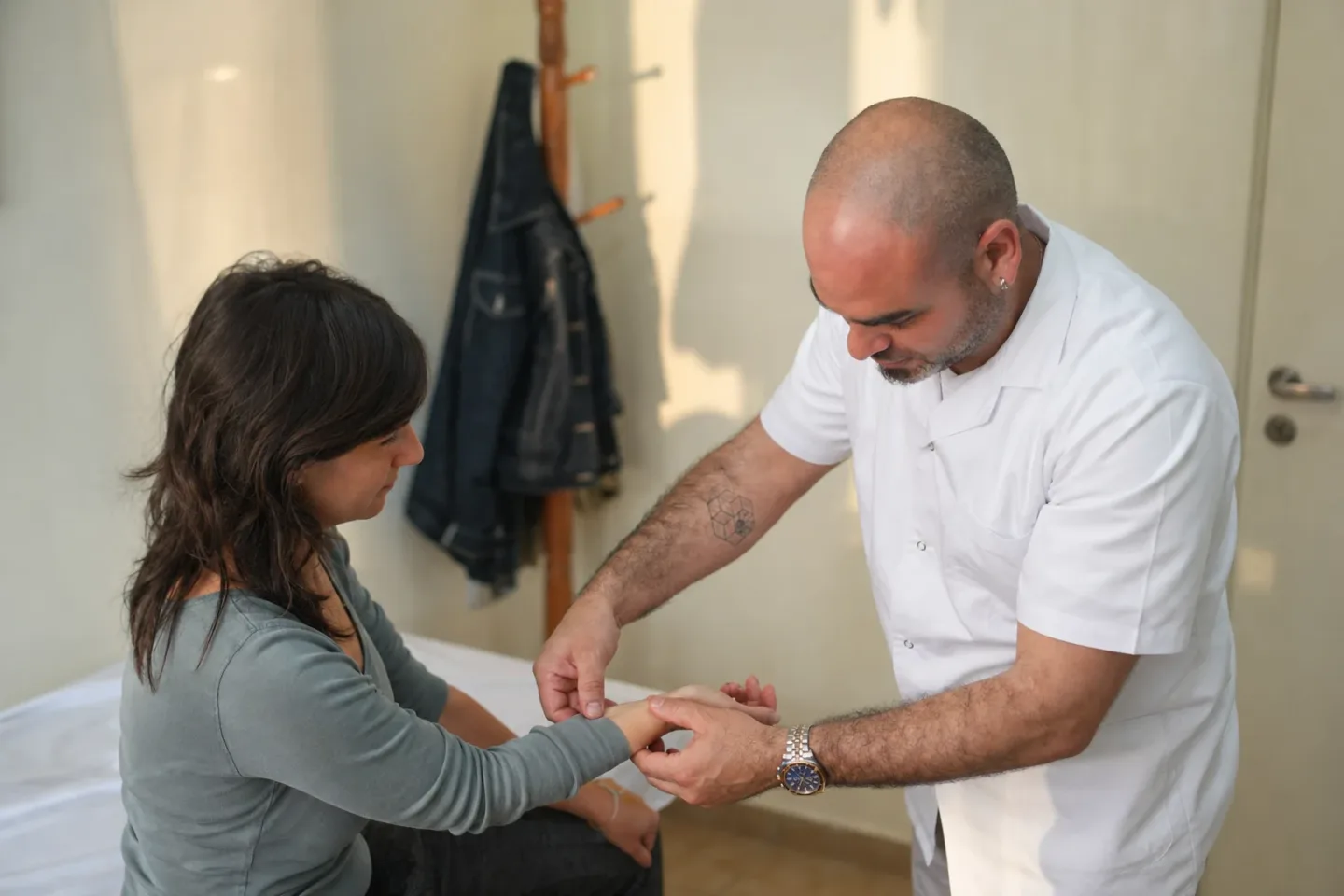
Wrist Pain - Strain‚ Movement and Treatment
16 min read
Does your wrist hurt after a day at the computer‚ and the pain no longer goes away even over the weekend? Is it hard to open a jar‚ lift the kettle or do push-ups without a sharp stab? Are you starting to worry that it is an inflammation‚ and you do not know whether to rest‚ train or wear a support?
I'm Roman Kibler‚ an osteopath D.O in Kiryat Tivon‚ and I examine the whole chain of the arm‚ from the fingers through the forearm and shoulder up to the neck‚ to find out why this particular joint is taking the load.
Leave your details or call me‚ and I'll check with you what is loading your hand and how it can be eased as soon as this week!
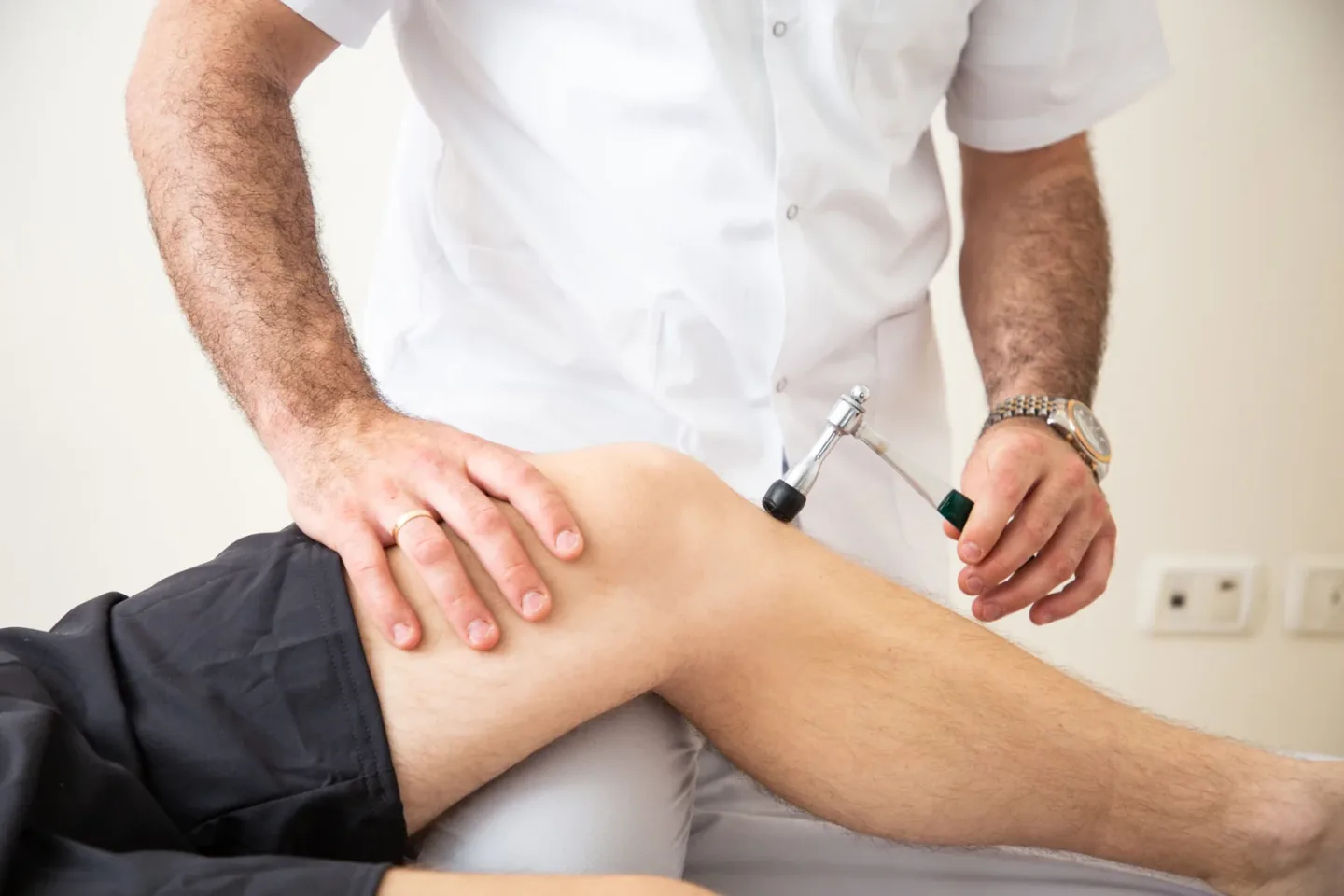
Wrist pain can appear after long hours at the computer‚ repeated phone use‚ lifting weights‚ training‚ a fall‚ working with tools or everyday strain that builds up gradually. The wrist is a small area‚ but it takes part in almost every action: gripping‚ typing‚ driving‚ opening a door‚ lifting bags and even getting up from a chair by pushing on your hands.
So even wrist pain that seems small at first can become very troubling if you keep loading the wrist without understanding what causes it. The pain can be sharp‚ dull‚ burning‚ local or spread out‚ and sometimes it appears only with a certain movement and sometimes also at rest.
In some cases it is a temporary strain on tendons and muscles‚ and in others the joint‚ ligaments‚ a nerve‚ an inflammation‚ a small fracture or a problem coming from higher up need to be checked. The right wrist pain treatment starts with understanding that the hand does not work alone: the fingers‚ the wrist‚ the forearm‚ the elbow‚ the shoulder‚ the shoulder blade and the neck all work together in every movement.
Wrist Joint Pain: Why This Area in Particular?
The wrist joint is made of eight small bones that connect to the two bones of the forearm‚ and it is surrounded by ligaments‚ tendons‚ nerves and blood vessels that run close together. This structure allows fine and precise movement‚ but it also makes the area sensitive to repeated load.
When you type for hours‚ hold a mouse stiffly‚ train with heavy weights or work with a tool that needs a strong grip‚ the tissues around the joint come under ongoing load. Wrist joint pain is usually the result of this kind of strain building up over weeks‚ and not of a single event.
Wrist Pain: Mechanical Strain or Inflammation?
The source of wrist joint pain is not always an "inflammation" in the simple sense of the word. Sometimes it is a combination of tendon irritation‚ load on the ligaments‚ reduced movement of the small wrist bones or muscle tension in the forearm. A wrist strain of this kind is common.
Mechanical wrist pain tends to change with activity: it gets worse when typing‚ gripping‚ turning a key or carrying bags‚ and it settles with rest or after a change of position. Wrist pain that comes with swelling‚ warmth and redness‚ or appears at night regardless of movement‚ means you also have to think about an inflammatory process and get a medical workup.
Where Exactly Does It Hurt?
Sometimes wrist pain appears on the thumb side‚ sometimes on the little finger side‚ and sometimes in the middle of the wrist or on the back of the hand. The exact location matters‚ but it is not enough on its own: you also need to check when the pain appears‚ how long it lasts and what is happening in the rest of the hand.
For a few days‚ notice which actions set off the pain and which ease it. Is there wrist pain when bending the hand back‚ when gripping or when turning it? A list like this helps a great deal in the examination‚ and sometimes it already shows the pattern behind the problem.
Common Wrist Pain Causes
What causes wrist pain? It can come from many sources‚ and sometimes several of them are present together. Telling them apart decides whether changing habits and treating the load is enough‚ or whether a medical workup and imaging are needed.
Wrist Pain From Typing and Phone Use
Typing with a raised wrist‚ gripping the mouse too tightly and hours of scrolling on the phone with the thumb create repeated load on the tendons and the joint. Wrist pain from typing usually starts as tiredness at the end of the day‚ and gradually turns into pain that appears earlier.
In many cases the shoulders are raised and the neck is pushed forward at the same time‚ so the whole arm works under tension. A small change in your workstation can take away a significant part of the load.
Sport‚ Strength Training and Push-Ups
Exercises in which the wrist is bent back under weight‚ such as push-ups‚ handstands‚ certain yoga poses or overhead lifts‚ load the back of the joint. A strong grip on a bar or a work tool also loads the tendons of the forearm.
When the load rises too fast‚ or when technique changes because of fatigue‚ a sore wrist appears that gets worse at the next workout. A graded return and changing the working angle usually help more than complete rest.
Pain on the Thumb Side
Wrist pain on the thumb side that gets worse when gripping‚ lifting a baby or turning the hand is often linked to the tendons that run through the area. Some people get swelling at the base of the thumb‚ and the picture looks like a swollen thumb‚ which needs an examination to understand the source.
This kind of strain is common in new parents‚ in people who use their phone a lot and in people who do manual work. Relief starts with changing the way you grip and reducing the movements that irritate the tendons.
Wrist Pain on the Little Finger Side
On the little finger side of the wrist there is a small cartilage structure and ligaments that stabilize the joint when the forearm rotates. Wrist pain on the little finger side usually appears when turning a key‚ opening a jar‚ leaning on the hand or swinging a racket.
Sometimes this wrist pain comes with a clicking feeling or a sense of instability. Pain like this‚ especially after a fall or a sharp twist‚ needs a medical check‚ and after that you can work on strength‚ forearm movement and the way you use the hand.
Pressure on a Nerve in the Carpal Tunnel
On the palm side of the wrist‚ a nerve runs through a narrow tunnel together with the finger tendons. When the pressure in the tunnel rises‚ numbness and tingling appear in the thumb‚ index finger and middle finger‚ and sometimes also wrist joint pain that wakes you at night.
The symptoms usually get worse when the hand stays bent for a long time‚ for example during sleep‚ driving or holding a phone. This condition is diagnosed by a doctor‚ sometimes with a nerve conduction test‚ and manual treatment and exercise can be added according to the recommendation.
Wear and Arthritis
Over the years‚ and especially after old injuries‚ wrist pain can come from wear of the joints and of the base of the thumb. A condition such as osteoarthritis causes morning stiffness‚ pain when gripping and sometimes a change in the look of the joint.
Sudden‚ warm and red swelling of the wrist can also appear in inflammatory diseases‚ among them gout. In such situations the medical workup comes before any manual treatment‚ and only after it can you build a rehabilitation of movement.
A Fall on an Outstretched Hand
Falling on an outstretched hand is one of the common causes of wrist pain and injury. Even when the hand looks normal‚ there may be a small fracture in the wrist bones or a ligament injury‚ which do not always show up at the first examination.
Wrist pain after a fall‚ especially on the thumb side or with swelling that does not go down‚ needs a medical check and imaging as the doctor decides. It is not a good idea to "wait for it to pass" for a few weeks.
A Soft Lump on the Back of the Wrist
A soft‚ round lump on the back of the wrist or on the palm side is often a ganglion cyst‚ a fluid-filled sac that comes out of the joint or the tendon sheath. It is not dangerous‚ it can grow and shrink with use of the hand‚ and sometimes it disappears on its own.
A ganglion that presses on a nerve‚ hurts or limits movement is checked by a doctor‚ who decides whether to just monitor it‚ drain it or refer you to a hand surgeon. Do not try to "burst" it with pressure or a blow. Manual treatment does not make it disappear‚ but it can reduce the load around the joint.
Wrist Pain and the Link to the Forearm‚ Shoulder and Neck
Wrist pain is often linked to the forearm: many of the muscles that move the hand and fingers actually start in the forearm and elbow. So wrist pain can be linked to load higher up the arm‚ especially in people who do repeated gripping‚ turning or typing movements.
The Forearm and Elbow
If the forearm muscles are stiff or overworked‚ they pull on the tendons that run to the wrist joint and increase the sensitivity of the area. In the examination I look at the movement of the elbow‚ the forearm and the wrist together.
Sometimes a small improvement in forearm mobility or a change in the way you grip reduces wrist pain and the local load. Good treatment does not focus only on the painful spot‚ but checks the whole functional line of the arm.
The Shoulder‚ Shoulder Blade and Chest
For the hand to work comfortably‚ the shoulder and shoulder blade need to give a stable base for movement. When the shoulder is limited‚ the shoulder blade does not move well or the chest is stiff‚ the forearm and hand work harder‚ and this shows up as a grip that is too strong and repeated load on the wrist.
Stiffness in the upper back and between the shoulder blades also changes the position of the shoulders at the computer‚ and then the forearm and hand work at a less comfortable angle.
When the shoulder is limited in lifting or rotation‚ people sometimes compensate by bending the wrist too much and gripping harder‚ for example when lifting things to a high shelf. So even when the main complaint is wrist pain‚ it is important to check whether the shoulder is taking enough part in the movement.
The Neck and the Nerves of the Arm
The cervical spine affects the arm through nerves‚ muscles and posture patterns. Long sitting in front of a screen‚ a head pushed forward and raised shoulders change the way the hands work‚ and a sore wrist may be where you feel the result.
When neck pain appears together with pain in the hand‚ I check whether there is a link between neck strain‚ long-held posture and symptoms that spread to the shoulder and arm. Not all wrist joint pain comes from the neck‚ but when there is also stiffness at the back of the neck or a nerve-like sensation‚ the examination needs to be broader.
Wrist Pain That Needs a Medical Check
Wrist pain is not always something you can just "release" or wait out. If the pain appeared after a fall‚ if there is a deformity‚ significant swelling‚ difficulty moving the fingers‚ pain that gets worse quickly or an inability to use the hand‚ get a medical check.
Wrist joint pain that comes with fever‚ unusual redness or a general feeling of illness also needs a workup‚ because not all pain around the joint is simple mechanical strain. In these situations manual treatment waits until the picture is clear.
Weakness and Loss of Grip Strength
When weakness in the right hand appears‚ or a clear drop in the ability to grip‚ open a bottle‚ write or move the fingers‚ do not settle for manual treatment before the source is understood. Weakness can come from pain and from avoiding use of the hand‚ but it can also point to nerve involvement that needs a medical assessment.
Numbness‚ Tingling and a Burning Feeling
Numbness‚ tingling‚ electric currents or reduced sensation call for more careful attention than local wrist pain. When these sensations come back‚ get worse‚ wake you from sleep or come with weakness‚ it is important to check whether a nerve is being pressed at the wrist‚ the elbow‚ the shoulder or the neck.
When tingling in the hands appears‚ the examination looks at how the symptoms are spread‚ at grip strength and at neck movement. Osteopathic treatment can fit in when the cause is mechanical strain‚ but worsening‚ weakness or a sudden change in sensation need a medical workup.
Osteopathic Wrist Pain Treatment
Osteopathic wrist pain treatment looks at the joint as part of a whole movement system. I check the range of movement of the wrist‚ fingers‚ forearm‚ elbow‚ shoulder‚ shoulder blade and neck‚ and ask about the nature of your work‚ the way you use your hand and your sport.
What Happens at a Session for Wrist Pain?
The first session lasts about an hour and includes a conversation‚ an examination and treatment‚ and follow-up sessions last about 45 minutes. The treatment includes gentle manual work on soft tissues‚ improving joint mobility‚ reducing tension in the forearm and shoulder and guidance on using the hand in a better way.
The goal is not only wrist pain relief in the moment‚ but reducing the strain that keeps irritating the area. Sometimes a small change in the height of the keyboard‚ the position of the mouse or the way you grip is a significant part of the improvement.
How Is the Osteopathic Approach Different?
For wrist pain‚ conventional treatment can include a medical examination‚ imaging‚ relative rest‚ temporary immobilization‚ medication to reduce pain and inflammation or physiotherapy‚ depending on the diagnosis. When a fracture‚ significant inflammation‚ nerve damage or joint disease is suspected‚ the medical workup is essential.
The osteopathic approach adds a functional view: why this particular joint takes the load‚ whether the shoulder takes part in the movement and whether work habits keep the pain going. It suits pain that comes from repeated load‚ unbalanced movement or muscle tension in particular.
Who Treats You?
I studied osteopathy for five years‚ including 1,000 clinical hours‚ I have worked as an osteopath at Maccabi Tivi since 2022 and I have been doing therapeutic massage since 2017. If you are looking for an osteopath in Kiryat Tivon‚ my clinic is at 6 Karkom Street‚ and some private insurance plans refund part of the cost.
Wrist Pain Relief at Home and at Work
When wrist pain appears‚ as a first step reduce for a while the actions that make it worse: a strong grip‚ load on the palm‚ push-ups‚ lifting weights or long typing without breaks. Relative rest does not mean stopping using the hand completely.
- A keyboard and mouse at elbow height‚ with the forearm supported and the wrist straight.
- A short break every half hour to hour‚ with gentle movement of the fingers and hand.
- A looser grip on the mouse‚ pen and phone‚ and switching hands when possible.
- Carrying bags close to the body and in both hands‚ instead of in one hand.
- Brief cooling after strain when there is swelling‚ according to what eases you.
If wrist joint pain keeps returning with the same action‚ it is important not only to calm the area but to understand what in the movement creates the load: the angle of the wrist‚ a grip that is too strong or a shoulder that does not take part in the movement.
Returning to Training After Wrist Pain
In physical activity it is important to return gradually. If a certain exercise loads the wrist‚ you can change the angle‚ use push-up handles‚ reduce the weight or choose a temporary alternative.
Gentle Exercises for a Sore Wrist
When the pain has settled and there are no warning signs‚ gentle movement helps keep the joint flexible and the circulation in the area good. Do the exercises within a range that does not cause sharp pain‚ and stop if things get worse.
- Slowly opening and closing the fingers‚ ten times‚ several times a day.
- Gently bending and straightening the wrist with the forearm supported on a table.
- Gently rotating the forearm‚ palm up and down‚ with the elbow close to the body.
- A soft stretch of the forearm muscles‚ without a strong pull and without pain.
These exercises do not replace an examination when wrist pain lasts or gets worse. They are mainly a simple way to bring the hand back into movement after a period of strain.
Sleeping and Working Without Bending the Wrist
Many people sleep with the hand bent under the pillow or under the body‚ and wake up with a sore wrist or numb fingers. Sleeping on your back or side with the hand straighter‚ and sometimes a night splint as recommended‚ reduces the load at night.
When driving and reading on the phone‚ pay attention to the angle as well: a wrist that stays bent for a long time loads the tendons and the nerve. Changing position every few minutes is a small habit that makes a difference.
Going back to full load too fast can bring wrist pain back. The aim is to rebuild tolerance to movement‚ not to force the joint to work through sharp pain.
Is It Time to See an Osteopath?
Consider it when wrist pain keeps returning with regular actions‚ when the hand feels as if it "locks"‚ or when the pain is affected by sitting‚ computer work or sport. Treatment is especially relevant when the pain comes together with strain in the shoulder‚ neck or forearm‚ and when there are no warning signs that need a doctor.
What Is Important to Remember About Wrist Pain?
Wrist pain can come from repeated load‚ unbalanced movement‚ a local injury‚ muscle tension‚ wear or the influence of other areas of the arm. Because the wrist takes part in almost every action‚ do not ignore pain that keeps returning or gets worse.
It is worth checking it before it changes the way you work‚ train and look after your family.
Osteopathic treatment can fit in when there are no warning signs and the pain is linked to load and function. When you improve movement‚ reduce load and understand the habits that irritate the joint‚ you can gradually return to comfortable use of the hand.
Frequently asked questions
How long does wrist pain take to go away?
Mild wrist pain after strain usually improves within days to weeks once you cut down the action that irritates it. Wrist pain that lasts more than a few weeks‚ gets worse or limits movement needs an examination.
Should I bandage or immobilize the wrist?
A splint or temporary immobilization suits some situations‚ as recommended by a doctor or therapist. Long immobilization without a clear reason can weaken the muscles and limit movement.
Heat or cold for a sore wrist?
When there is swelling after strain or an injury‚ brief cooling usually helps. When it is stiffness and muscle tension without swelling‚ gentle heat feels pleasant to some people‚ and it is best to choose by what eases you.
Can wrist joint pain come from the neck?
Sometimes yes‚ especially when there is also numbness‚ tingling or pain that spreads along the arm. A good examination checks the neck and shoulder and not only the joint itself.
Can I keep training with wrist pain?
You can usually continue activity that does not cause pain‚ and adapt or temporarily replace exercises that load the joint. Training through sharp pain can make things worse.
When is an X-ray or ultrasound needed?
After a fall‚ when there is significant swelling‚ a deformity‚ strong pain that does not improve or a suspected ligament injury. The decision about imaging is made by the doctor.
Is wrist pain common after giving birth?
Yes. Lifting the baby again and again‚ breastfeeding in fixed positions and hormonal changes load the tendons of the wrist and thumb. Changing the way you lift and grip eases things for many mothers.
How many sessions are usually needed?
It depends on the source of the pain and how long it has been there. Sometimes one or two sessions with guidance on changing habits are enough‚ and for long-standing pain a few sessions are recommended.
Does an osteopath also treat pain in the fingers?
Yes‚ the examination includes the fingers and the joints of the hand‚ because they work together with the wrist. A warm and swollen finger joint needs a medical workup first.
Is osteopathic treatment suitable after a wrist fracture?
Once the fracture has healed and the doctor has approved a return to movement‚ gentle treatment can help improve the range of movement and reduce stiffness. It works alongside the rehabilitation that the doctor or physiotherapist recommended.
Is wrist pain linked to age?
Joint wear is more common over the years‚ but strain from work‚ sport or caring for a baby meets people at any age. Age mainly changes the speed of recovery and the need to build strength gradually.
Can wrist pain point to a general illness?
Sometimes yes: pain in both wrists‚ long morning stiffness and swelling of several joints together need a doctor's workup. Inflammatory diseases‚ hormonal changes and other conditions can show up this way.
Does wrist joint pain appear in both hands?
Wrist joint pain from strain usually appears in the dominant hand‚ the one that works more. Symmetrical pain in both hands‚ especially with morning stiffness or swelling‚ needs a medical workup to rule out an inflammatory condition.
What helps with wrist pain at work?
A workstation where the forearm is supported and the wrist is straight‚ short breaks and gentle movement of the fingers. Check the height of the chair and the screen too‚ because raised shoulders end up loading the hand.
Does insurance refund osteopathic treatment?
Some private insurance plans refund part of the cost of osteopathic treatment. It is worth checking the terms of your policy before the appointment.
Table of Contents
- Wrist Joint Pain: Why This Area in Particular?
- Wrist Pain: Mechanical Strain or Inflammation?
- Where Exactly Does It Hurt?
- Common Wrist Pain Causes
- Wrist Pain From Typing and Phone Use
- Sport‚ Strength Training and Push-Ups
- Pain on the Thumb Side
- Wrist Pain on the Little Finger Side
- Pressure on a Nerve in the Carpal Tunnel
- Wear and Arthritis
- A Fall on an Outstretched Hand
- A Soft Lump on the Back of the Wrist
- Wrist Pain and the Link to the Forearm‚ Shoulder and Neck
- The Forearm and Elbow
- The Shoulder‚ Shoulder Blade and Chest
- The Neck and the Nerves of the Arm
- Wrist Pain That Needs a Medical Check
- Weakness and Loss of Grip Strength
- Numbness‚ Tingling and a Burning Feeling
- Osteopathic Wrist Pain Treatment
- What Happens at a Session for Wrist Pain?
- How Is the Osteopathic Approach Different?
- Who Treats You?
- Wrist Pain Relief at Home and at Work
- Returning to Training After Wrist Pain
- Gentle Exercises for a Sore Wrist
- Sleeping and Working Without Bending the Wrist
- Is It Time to See an Osteopath?
- What Is Important to Remember About Wrist Pain?
- Frequently asked questions
