

Paresthesia - Pinched Nerve or a Strain You Can Release?
12 min read
Do you wake up at night with a "dead" hand and shake it until the feeling comes back? Do you feel tingling in your fingers at the computer or while driving‚ and cannot work out where it comes from? Or does the numbness run down your leg after long sitting and start to worry you?
I am Roman Kibler‚ an osteopath (D.O) at my clinic in Kiryat Tivon‚ and I examine the whole path of the nerve from the neck or the back to the fingertips to find where it is being irritated.
Leave your details or call me‚ and I will check with you what is behind the tingling and how it can be reduced safely!
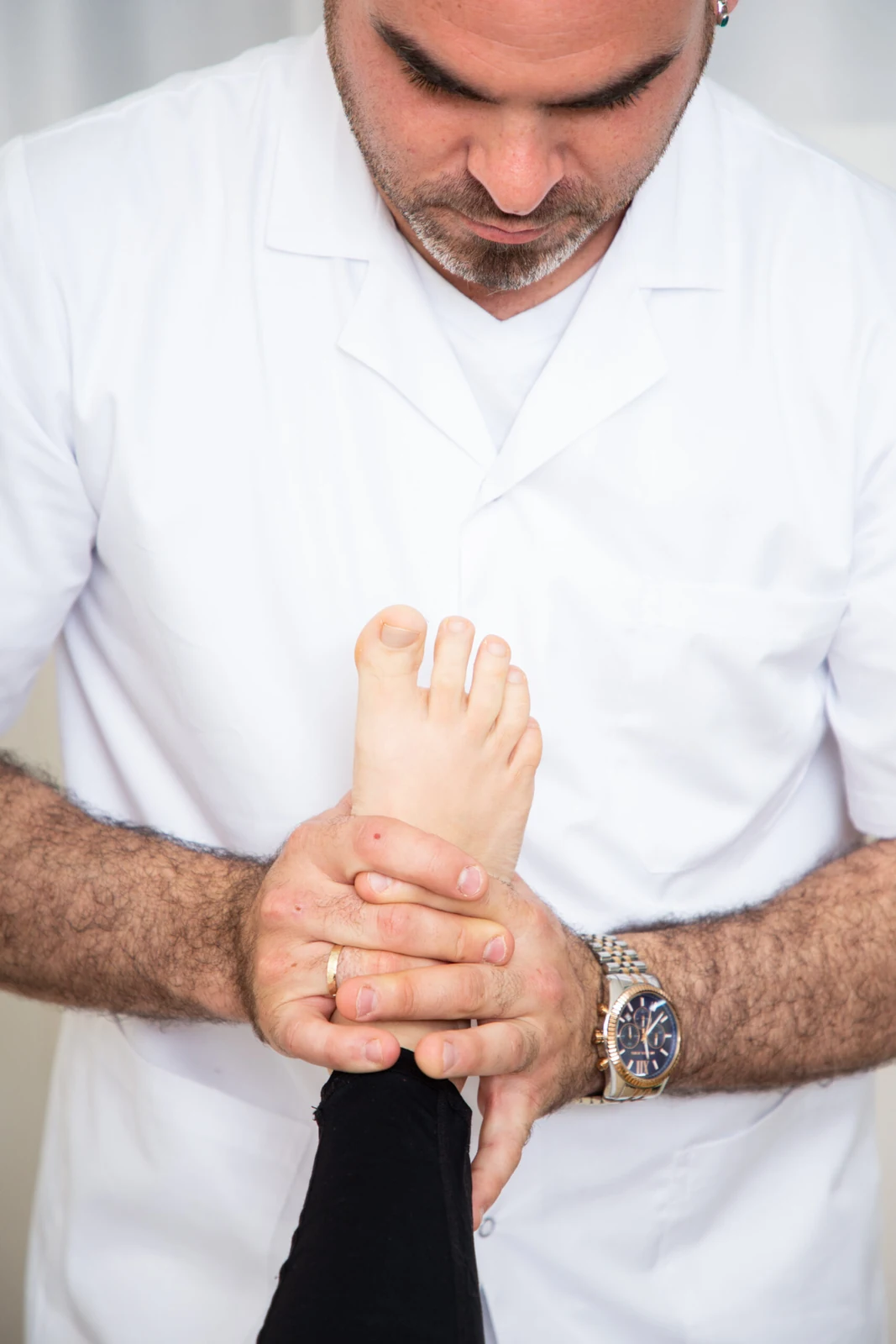
Paresthesia in the hand or the leg is something that can happen to almost anyone: tingling‚ "pins and needles"‚ a mild burning‚ a limb falling asleep‚ reduced sensation or a feeling that the limb is not responding as it should.
Sometimes it is something temporary and simple‚ such as sitting in a position that presses on a nerve‚ and sometimes it is the body's way of signaling overload‚ nerve irritation or a medical condition that needs to be checked.
So the important question is not only where you feel the paresthesia‚ but also how long it lasts‚ whether it comes back‚ whether it comes with pain or weakness‚ and what makes it worse or calmer. In this article I go through the common paresthesia causes‚ the difference between hand and leg and between right and left‚ and the signs that call for a doctor.
Paresthesia in the Hand or Leg: What Do You Actually Feel?
What is paresthesia? It is an abnormal sensation that usually comes from irritation of a nerve or from a disturbance in the way sensory information travels from the body to the nervous system. The feeling can be mild and passing‚ but it can also become a daily nuisance that gets in the way of work‚ driving‚ sleep or walking.
When hand tingling appears after a certain position and quickly disappears when you change position‚ it is usually a temporary load. Paresthesia that comes back again and again‚ lasts a long time‚ spreads or appears together with weakness needs more serious attention and a check of its source.
Tingling in Hands: Neck‚ Shoulder and Wrist
Tingling in hands can come from different sources along the route the nerves take from the neck to the fingers. That is why a person with paresthesia in the hand does not always need local treatment of the hand alone‚ and the whole path needs to be examined.
The Wrist and Carpal Tunnel
When pins and needles in the hand are felt in the thumb‚ the index finger and the middle finger‚ and get worse at night or when holding a phone or a steering wheel for a long time‚ the nerve may be compressed in the tunnel in the wrist. This is common in people who work a lot with their hands‚ in pregnancy‚ and in people with diabetes or an underactive thyroid.
Hand tingling that comes together with pain in the wrist and in the joint itself justifies an examination of the joint. Information on wrist pain helps tell apart load on the tendons‚ wear in the joint and pressure on a nerve.
The Elbow and the Little Finger
Tingling in fingers that is felt in the little finger and half of the finger next to it‚ and grows stronger when the elbow stays bent for a long time‚ for example during a phone call or when sleeping with a folded arm‚ is often linked to the nerve that runs along the inner side of the elbow. In that case‚ avoiding long bending and not leaning on the elbow can bring relief.
The Neck‚ the Shoulder and the Chest
In other cases the source is in the neck‚ the shoulder or the passage between the ribs and the collarbone. When there is neck stiffness‚ long sitting with the head forward or repeated load on the shoulder girdle‚ the tissues around the neck and shoulder affect sensation in the hand and cause paresthesia in the hand.
When tingling in hands comes with pain that runs from the shoulder down the arm‚ it is worth reading about shoulder pain too‚ because both symptoms often come from the same source. In the examination I check the range of motion of the neck‚ the movement of the shoulder blades‚ breathing and the way you use your hand day to day.
Tingling in Right Hand: Why Does the Side Matter in Diagnosis?
When the paresthesia appears mainly in one hand‚ the side helps you understand the load pattern. Tingling in right hand is often linked to daily habits such as using a mouse‚ holding a phone‚ driving‚ physical work‚ playing an instrument‚ training or sleeping on the same side‚ especially in people whose right hand is dominant.
Still‚ the side alone is not enough for a diagnosis. In someone with paresthesia in the right hand‚ I also need to check which fingers are involved‚ whether there is neck pain‚ whether there is weakness‚ whether the sensation changes when the arm is raised and whether it is linked to a specific movement.
Tingling in the Right Hand with Neck Pain
When the picture includes neck pain‚ stiffness or pain radiating to the arm‚ there may be irritation of a nerve root in the cervical spine. In older people this sometimes happens against a background of degenerative changes such as cervical spondylosis‚ but not every finding on imaging explains all the symptoms.
Paresthesia That Comes with Weakness
Pins and needles in the right hand that come with reduced grip strength‚ dropping things or difficulty writing and buttoning are not just a matter of load. A detailed article on weakness in the right hand explains the possible causes‚ and weakness that appears suddenly calls for going to the emergency room right away.
Tingling in Legs: Lower Back‚ Pelvis and the Nerve Path
Tingling in legs can appear in the foot‚ the calf‚ the thigh or along a wider path‚ and sometimes it grows stronger when walking‚ standing or sitting for a long time. When it comes with back pain or a pulling feeling along the leg on one side‚ it makes sense to check the lower back‚ the pelvis and the nerves that leave the spine.
The Sciatic Nerve and Radiating Pain
Pain that radiates from the back or the buttock toward the leg can be linked to the sciatic nerve or to nerve roots in the lower back. The sensation is sharp‚ burning‚ pulling or electric‚ and sometimes it comes with paresthesia in the leg or a feeling of weakness. A clear explanation of sciatica and the right tests will help you understand whether this is your situation.
A Herniated Disc and Leg Paresthesia
In a disc herniation‚ material from inside the disc bulges out of place and may irritate a nearby nerve root. Not every herniation causes symptoms‚ and not every back pain comes from one‚ but when a nerve is involved the picture can include radiating pain‚ tingling‚ burning and sometimes weakness.
If you feel tingling in your leg together with pain that runs down from the back‚ you will find practical information in the article on a herniated disc. Progressive weakness‚ reduced sensation or sharp pain that does not improve call for a medical examination.
Narrowing of the Spinal Canal and Difficulty Walking
When a person describes having to stop after a certain walking distance‚ paresthesia in both legs‚ a feeling of heaviness and relief when sitting or bending forward‚ narrowing of the spinal canal should also be considered. This picture needs an accurate medical diagnosis before any manual treatment.
Tingling in Legs and Feet on Both Sides
Tingling that starts in the toes of both feet and slowly spreads upward usually does not come from the back. It can be a sign of damage to the peripheral nerves‚ for example because of diabetes‚ a lack of vitamin B12 or alcohol use‚ and it calls for a check with your family doctor.
General Causes of Paresthesia in the Hand and Leg
Not every case of paresthesia is a mechanical problem. Tingling in the hands and tingling in the legs can also appear because of general conditions that are not related to the spine or the muscles:
- Diabetes and metabolic conditions that damage the peripheral nerves.
- A lack of vitamin B12 or other vitamins.
- An underactive thyroid.
- Pregnancy‚ because of fluid retention and pressure on nerves.
- Anxiety and fast breathing‚ which cause tingling in the hands‚ around the mouth and sometimes in the legs.
- Side effects of certain medications.
- Autoimmune and neurological diseases such as lupus or multiple sclerosis‚ and also fibromyalgia (which is not an autoimmune disease).
That is why ongoing paresthesia‚ especially in both hands or both legs‚ justifies blood tests and a doctor's examination before assuming it is only a matter of load.
Diagnosis at the Doctor: Which Tests Find the Source of Paresthesia?
The workup starts with a conversation and a neurological examination: sensation in each finger‚ muscle strength‚ reflexes and simple tests that bring on the tingling‚ such as tapping on the wrist or bending it for a long time. Already at this stage it is usually possible to tell whether hand tingling comes from the wrist‚ the elbow or the neck.
As needed‚ blood tests for sugar‚ vitamin B12 and thyroid function are added‚ along with a nerve conduction study and EMG‚ which show where the nerve is compressed and how much. An X-ray‚ ultrasound or MRI of the neck or back is done mainly when a nerve root irritation‚ weakness or symptoms that do not improve are suspected.
How Does an Osteopath Examine Paresthesia in the Hand and Leg?
In an osteopathic session I start with questions: when the paresthesia started‚ whether it appeared gradually or all at once‚ where exactly it is felt‚ whether there is accompanying pain or weakness‚ and how it changes when sitting‚ standing‚ walking or lying down. I also ask about injuries‚ background illnesses‚ pregnancy‚ diabetes‚ operations and previous tests.
After that I examine movement: the neck‚ back‚ shoulders‚ pelvis‚ hips and soft tissues along the path of the nerve. The goal is not to "switch off" the pins and needles by force‚ but to understand what irritates the nerve and what can be changed safely.
What Does the Treatment Include?
When there are no warning signs‚ manual treatment may include improving mobility in the neck‚ upper back‚ shoulder or lower back‚ work on soft tissues along the nerve path and guidance for changing sitting‚ work and sleep habits. It does not replace a medical diagnosis‚ but it can reduce mechanical irritation and help the body move better.
Medical Treatments That Fit In: Night Splint‚ Ergonomics and Managing Background Conditions
In mild carpal tunnel syndrome‚ doctors often recommend a night splint that keeps the wrist straight‚ together with changes to the workstation‚ and sometimes a local injection or surgery when the pressure on the nerve is significant. When the paresthesia comes from diabetes or a vitamin deficiency‚ the main treatment is managing the disease or correcting the deficiency.
Manual treatment is suitable when the source is mechanical and the medical workup did not find a cause that needs other treatment. The right combination of approaches helps reduce tingling in the hands and also in the legs without missing a medical cause.
An Osteopath in Kiryat Tivon for Tingling
If you are looking for an osteopath in Kiryat Tivon‚ with me you get a first session of about an hour that includes a thorough examination‚ and follow-up sessions of about 45 minutes. I studied osteopathy for five years including 1,000 clinical hours‚ I have been working at Maccabi Tivi since 2022‚ and I am a member of the Israeli Osteopathic Association.
What Can You Do at Home When Pins and Needles Appear?
When paresthesia appears after a long position‚ first change your position gently‚ move the area gradually and see whether the sensation comes back within a short time.
- At the computer: a screen at eye level‚ the mouse close to your body‚ support for the forearm and a short break every half hour.
- In sleep: avoid a folded arm under the pillow or under your head‚ and sleeping on the same side all night.
- When driving: a relaxed grip on the wheel and changing the position of your hands on long drives.
- When sitting: avoid crossing your legs for a long time and get up for short movement breaks during the day.
- In movement: light walking and gentle neck and shoulder exercises‚ without forceful stretching.
Strong stretches or an aggressive "release" are not recommended when there is ongoing tingling or weakness‚ because an irritated nerve does not always respond well to more pressure. If every attempt to move makes the paresthesia worse‚ go for a professional examination.
When Does Paresthesia in the Hand or Leg Need a Doctor?
Go to the emergency room immediately when the paresthesia appears suddenly on one side of the body‚ with weakness‚ difficulty speaking‚ a drooping face‚ a vision disturbance‚ significant dizziness‚ an unusual headache or confusion. These are possible signs of a stroke‚ in which every minute counts.
Other signs that need an urgent check are a disturbance in bladder or bowel control‚ reduced sensation in the groin area‚ progressive weakness in a leg or an arm‚ unusual night pain or unexplained weight loss. Paresthesia in the hand or leg that appears after an injury‚ spreads or lasts for weeks also justifies a doctor's examination before any manual treatment.
The Bottom Line: Paresthesia Is a Sign Worth Understanding
Paresthesia in the hand or leg can come from temporary pressure on a nerve‚ postural load‚ nerve irritation from the neck or the back‚ background illnesses or conditions that need a workup. That is why it is important to understand the context: where the tingling appears‚ how long it lasts‚ what makes it worse and whether there are other signs.
When tingling in hands is linked to mechanical load and there are no warning signs‚ changing habits‚ gentle movement and treatment that looks at the whole movement chain help reduce the irritation. When it lasts or gets worse‚ the starting point is always a doctor.
Frequently asked questions
Is paresthesia in the hand dangerous?
In most cases hand tingling comes from temporary pressure or load and passes when you change position. Sudden paresthesia on one side of the body‚ especially with weakness or difficulty speaking‚ calls for going to the emergency room immediately.
Why do I get tingling in my right hand at night?
Pins and needles in the right hand at night are often linked to pressure on a nerve in the wrist or the elbow‚ from sleeping with a folded arm. If they come back almost every night or come with weakness‚ it is worth getting checked.
What is the difference between leg tingling from the back and tingling from diabetes?
Tingling in the leg that comes from the back usually appears in one leg‚ along a certain path and sometimes with back pain. Tingling caused by diabetes usually starts in the soles of both feet and slowly spreads upward.
Can anxiety cause tingling in hands?
Yes. Fast breathing during anxiety can cause tingling in the hands and around the mouth. Still‚ you should not assume that this is the cause without an examination‚ especially when the paresthesia keeps coming back or appears on one side.
Which tests are done for numbness and tingling in hands?
The doctor starts with a physical examination and sometimes refers you for blood tests‚ a nerve conduction study or imaging of the neck. The choice of test depends on where the tingling is and on the accompanying symptoms.
Can an osteopath help with paresthesia in the hand?
When the paresthesia is linked to mechanical load in the neck‚ the shoulder or the wrist and there are no warning signs‚ osteopathic treatment can reduce the irritation and improve movement. The treatment complements the medical workup and does not replace it.
How long does it take for paresthesia to pass?
Hand tingling from temporary pressure‚ such as after sleeping on your arm‚ passes within minutes. Tingling that comes from ongoing nerve irritation can improve gradually over weeks‚ depending on the cause and on reducing the load.
Is tingling in the left hand different from tingling in the right hand?
In most cases the causes are similar: load‚ pressure on a nerve in the wrist or elbow‚ or irritation from the neck. Tingling in the left hand that appears together with pressure or pain in the chest‚ shortness of breath or sweating calls for calling Magen David Adom (MDA) immediately.
Is it OK to exercise with tingling in legs?
Light activity such as walking is usually fine‚ as long as it does not make the tingling worse. If the sensation grows stronger with every workout or weakness appears‚ stop and go for an examination.
Does a night splint help with pins and needles in the hand?
When the tingling comes from pressure in the wrist‚ a splint that keeps the wrist straight at night brings relief for many people. It should be fitted on the advice of a doctor or physiotherapist‚ and you should get checked again if there is no improvement after a few weeks. If you are weighing physiotherapy or osteopathy‚ you will find a detailed comparison in a separate article.
Table of Contents
- Paresthesia in the Hand or Leg: What Do You Actually Feel?
- Tingling in Hands: Neck‚ Shoulder and Wrist
- The Wrist and Carpal Tunnel
- The Elbow and the Little Finger
- The Neck‚ the Shoulder and the Chest
- Tingling in Right Hand: Why Does the Side Matter in Diagnosis?
- Tingling in the Right Hand with Neck Pain
- Paresthesia That Comes with Weakness
- Tingling in Legs: Lower Back‚ Pelvis and the Nerve Path
- The Sciatic Nerve and Radiating Pain
- A Herniated Disc and Leg Paresthesia
- Narrowing of the Spinal Canal and Difficulty Walking
- Tingling in Legs and Feet on Both Sides
- General Causes of Paresthesia in the Hand and Leg
- Diagnosis at the Doctor: Which Tests Find the Source of Paresthesia?
- How Does an Osteopath Examine Paresthesia in the Hand and Leg?
- What Does the Treatment Include?
- Medical Treatments That Fit In: Night Splint‚ Ergonomics and Managing Background Conditions
- An Osteopath in Kiryat Tivon for Tingling
- What Can You Do at Home When Pins and Needles Appear?
- When Does Paresthesia in the Hand or Leg Need a Doctor?
- The Bottom Line: Paresthesia Is a Sign Worth Understanding
- Frequently asked questions
