

Shoulder Pain - What Causes It and How to Restore Movement?
13 min read
Does your shoulder hurt when you lift your arm‚ put on a shirt or reach for a high shelf? Does the pain wake you at night when you roll onto your side? And after a day at the computer‚ do your shoulders tighten all the way up to the back of your neck?
I'm Roman Kibler‚ an osteopath D.O in Kiryat Tivon‚ and I examine the shoulder together with the neck‚ the shoulder blade and the chest‚ because that is often where the strain begins.
Leave your details or call me‚ and together we will find out what is loading your shoulder and how to ease it!
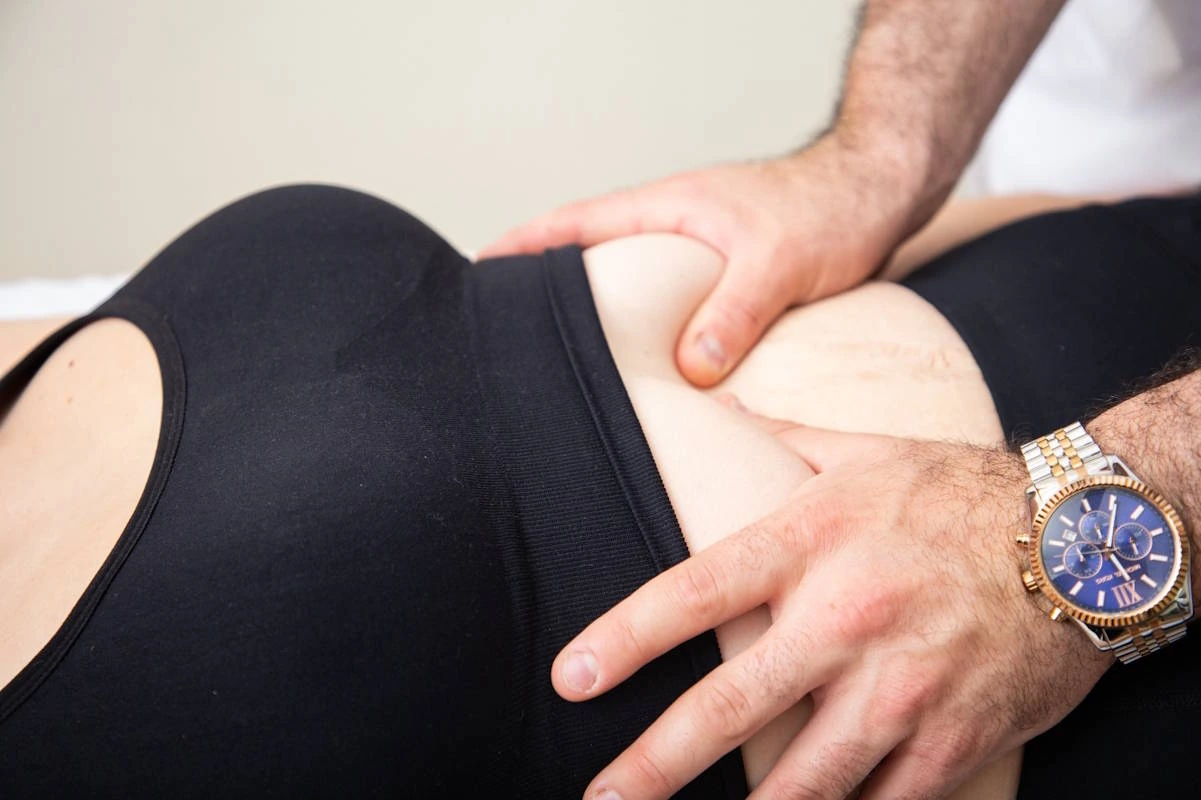
Shoulder pain is one of the most common musculoskeletal complaints‚ and not by chance. The shoulder is a joint with a very wide range of movement‚ which lets you lift the arm‚ rotate it‚ reach behind you‚ push‚ pull and work overhead. This freedom makes the area sensitive to strain‚ tendon irritation‚ muscle imbalance and pain referred from the neck and upper back.
When shoulder pain appears‚ do not rush to assume it is one specific problem. Sometimes the pain starts after a workout or lifting‚ sometimes it builds up gradually from computer work‚ and sometimes it wakes up precisely at night or with a certain movement. The right shoulder pain treatment starts with understanding the source of the pain and whether it is a local problem or part of a wider movement system.
What Is Shoulder Pain and Why Is It So Common?
Shoulder pain causes include many different structures: tendons‚ muscles‚ ligaments‚ the joint capsule‚ bursae‚ the joints of the collarbone and shoulder blade‚ the neck vertebrae or nerves that refer pain to the area. Sometimes the pain is sharp and localized‚ and sometimes it is dull‚ spread out and felt in the neck‚ the shoulder blade and the arm too.
For some people the main problem is shoulder pain when lifting the arm‚ and for others it is stiffness‚ limited movement or a feeling of weakness.
Shoulder Pain and the Chain Around It
The shoulder does not work alone: every movement of the arm also depends on the shoulder blade‚ the neck‚ the chest‚ the ribs and the upper back. When one of these areas is stiff or overloaded‚ the shoulder compensates for it. So shoulder pain treatment that looks only at the joint itself‚ without checking its surroundings‚ may miss an important part of the picture.
Who Tends to Suffer From Shoulder Pain?
Shoulder pain is common in people who work with their arms overhead‚ in athletes in throwing sports‚ swimming and weightlifting‚ and in people who sit for hours at a screen. It is also common around and after menopause‚ and in people with diabetes or thyroid problems the risk of frozen shoulder rises. Parents of babies‚ who lift and carry on the same side‚ know this pain well.
Shoulder Pain: Normal Strain or a Reason for a Check-Up?
Mild shoulder pain after unfamiliar activity‚ a new workout or hard physical work often improves with relative rest‚ less load and gentle movement. In contrast‚ shoulder pain that appeared after a fall‚ an injury or a strong pull on the arm calls for more caution.
A deformity of the shoulder‚ sudden swelling‚ very strong pain‚ an inability to lift the arm or a significant loss of strength need a medical examination.
Shoulder pain that appears at night‚ keeps coming back or limits function also justifies a workup. Not every pain like this points to a serious problem‚ but it shows that the body is struggling to recover on its own. The earlier the source of the strain is understood‚ the easier it is to choose the right treatment and prevent it from getting worse.
Pain in Both Shoulders and the Link to Posture‚ Breathing and Movement
Pain in both shoulders appears when the body stays in one position for a long time: sitting at a computer‚ working with a phone‚ long drives or holding a baby on the same side. The shoulders rise‚ the neck shortens‚ the chest stiffens and breathing becomes shallow. Over time the muscles around the shoulder blades and the neck work harder to stabilize the area.
The Neck as the Source When Both Shoulders Hurt
In some people ongoing strain or degenerative changes in the neck affect the feeling in the shoulders‚ and both shoulders hurt. If you also have neck pain‚ with limited movement‚ muscle tension and pain spreading into the arms‚ you need an examination that connects the neck and the shoulder pain.
A finding on a neck X-ray does not necessarily explain every pain in the shoulder‚ so the examination‚ the symptoms and the history are put together.
The Chest‚ the Shoulder Blades and the Upper Back
When the chest muscles are shortened‚ the shoulders are pulled forward and the shoulder blade struggles to rotate when you lift your arm. People with tight chest muscles often feel a pinch at the front of the shoulder. Releasing the chest and improving rib movement let the shoulder work in better conditions.
At the back‚ between the shoulder blades‚ back spasms often develop in the upper back muscles and limit the movement of the shoulder blade. When the shoulder blade gets "stuck"‚ the shoulder takes on more work. So when I examine pain in both shoulders‚ I always check the upper back as well.
Recurring Headaches Alongside Tight Shoulders
In some people there is a functional link between neck tension‚ strain in the shoulder blade muscles‚ shallow breathing and a feeling of pressure in the head. When someone describes recurring headaches together with tight shoulders and long hours at a screen‚ it is worth checking the neck‚ the chest and the shoulder blades.
A new headache that is very strong or comes with neurological signs needs a doctor‚ and it helps to know the headache warning signs.
Shoulder Pain at Night: What Can It Point To?
Shoulder pain at night is especially troubling‚ because it disturbs sleep and makes recovery harder. Sometimes the pain gets worse when lying on the painful side‚ sometimes when the arm rests above the head‚ and sometimes after a busy day. Night pain appears in conditions such as tendon irritation‚ inflammation around the shoulder‚ frozen shoulder or strain that comes from the neck and shoulder blade.
Shoulder pain at night is not a diagnosis in itself. I check whether the pain changes with position‚ whether lifting the arm is limited‚ whether the pain spreads into the arm and whether there is weakness or numbness. To ease shoulder pain when sleeping‚ I also look at your sleeping position‚ support for the arm with a pillow and the load during the day.
Frozen Shoulder and Pain at Night
Frozen shoulder is a condition of shoulder pain with a significant limitation in the range of movement of the shoulder. The pain appears gradually‚ and later it turns out that it is hard to rotate the arm‚ lift it or reach behind you. In this condition the pain at night is especially marked‚ when you try to lie on the painful side or when the shoulder stays in an uncomfortable position for a long time.
It is important to tell frozen shoulder apart from ordinary tendon pain‚ because the pace of recovery and the treatment are different. In frozen shoulder it is wrong to "force open" the range‚ because aggressive work increases pain. Gentle treatment that combines graded movement with medical follow-up suits it better.
Shoulder Tendinitis‚ Impingement and Fluid Around the Joint
A large part of shoulder pain is linked to the tendons and soft tissues around the joint. The symptoms are sometimes similar‚ so the examination tells them apart by the movement that hurts‚ where the pain is and the signs that come with it.
Shoulder Tendinitis and Tendon Inflammation
Shoulder tendinitis describes a condition in which a tendon in the shoulder area is irritated‚ usually after repeated load‚ overhead work‚ unsuitable training or too quick a change in activity. The pain appears when lifting the arm to the side‚ reaching forward‚ moving the arm behind the back or carrying weight. Sometimes there is sharp pain in a certain range‚ and after it the pain settles.
In an osteopathic approach to shoulder pain‚ I do not look only at the tendon. I check whether the shoulder blade moves well‚ whether the chest allows movement‚ whether the neck loads the shoulder and whether the muscles around the joint work in coordination. Conservative treatment of shoulder tendinitis also includes reducing load‚ improving movement and a gradual return to activity.
Shoulder Impingement When Lifting the Arm
Shoulder impingement‚ a pinching pain‚ sometimes appears when lifting the arm‚ in inward rotation‚ in overhead movement or when carrying weight. It is linked to a narrowed space for movement under the acromion bone‚ to load on the rotator cuff tendons‚ to insufficient movement of the shoulder blade or to tension around the neck and chest.
The pain does not necessarily come from "something getting stuck"‚ but from movement coordination that is not smooth.
When I examine shoulder impingement‚ I see whether the shoulder blade takes part in the movement‚ whether the ribs allow free lifting of the arm and whether the neck compensates. Sometimes a small change in the way the arm rises‚ better chest mobility or less tension in the shoulder blade muscles reduces the load.
Fluid in the Shoulder‚ Swelling and Local Tenderness
A feeling of swelling‚ fullness or tenderness around the shoulder can point to irritation of soft tissues or a bursa‚ or to a local inflammatory reaction. Fluid in the shoulder is not one diagnosis‚ so I check whether there is visible swelling‚ whether the pain is deep or superficial‚ whether there is local warmth and whether movement is limited by pain or by a block.
Sudden swelling‚ warmth‚ redness or acute pain after an injury need a medical examination.
Pain in the Shoulders and Arms: When Is a Nerve Involved?
Pain in the shoulders and arms sometimes comes from the shoulder itself‚ but sometimes it is linked to the nervous system. When the pain comes with burning‚ electric currents or reduced sensation‚ I check whether a nerve is involved in the neck or along the arm. If you also feel tingling in the hands‚ you need an assessment that includes a basic nerve examination.
When shoulder pain comes together with right hand weakness‚ it is not treated as a "tight muscle" only. Loss of strength‚ difficulty gripping‚ dropping things or a change in sensation need a medical workup‚ especially when the symptoms get worse or appeared suddenly. Manual treatment is suitable only when it is clear that the cause is mechanical strain.
The Hand‚ the Elbow and the Shoulder
The hand‚ forearm‚ elbow and shoulder work together in every action: typing‚ lifting bags‚ using a mouse‚ a phone and work tools. When there is wrist pain‚ a person changes their grip‚ loads the forearm and holds the shoulder raised and tense. Then I check whether the shoulder pain is the source or whether the shoulder is compensating for strain that starts further away.
Natural Treatment for Shoulder Inflammation and the Role of Osteopathy
When people talk about natural treatment for shoulder inflammation‚ it is important to beware of exaggerated promises. Not every inflammation is solved by massage‚ not every pain needs stretching and not every manual treatment suits every condition.
The conservative approach includes reducing load‚ changing activity‚ gentle movement‚ good sleep‚ work on posture and heat or cold depending on the context‚ and sometimes seeing a doctor for medication or imaging.
How Does Osteopathic Treatment Approach Shoulder Pain?
Treatment starts with an examination: range of movement‚ shoulder blade movement‚ the state of the neck‚ chest movement‚ breathing‚ basic strength‚ sensation and the actions that make the pain worse. The aim is to understand whether shoulder pain comes from a local problem‚ from referral from the neck‚ from strain coming from the hand or from a combination of several factors.
The treatment itself includes gentle techniques to improve movement‚ work on soft tissues‚ reducing tension around the neck and shoulder blade and improving rib mobility. At the same time you get an explanation of how to avoid unnecessary load and how to return to activity gradually. The first session lasts about an hour‚ and follow-up sessions about 45 minutes.
I studied osteopathy for five years‚ including 1,000 clinical hours‚ I have worked as an osteopath at Maccabi Tivi since 2022 and I have worked as a massage therapist since 2017. If you are looking for an osteopath in Kiryat Tivon for shoulder pain‚ my clinic is at 6 Karkom Street. Some private insurance companies refund part of the cost of treatment.
Shoulder Pain Relief at Home
- Reduce overhead movements and carrying weight in the painful arm for a while.
- Keep moving the shoulder within a comfortable range‚ without immobilizing it completely.
- Sleep on the healthy side‚ with a pillow that supports the painful arm.
- Raise the screen and bring the keyboard closer‚ so your shoulders do not rise.
- Return to training gradually‚ with low load and in a range that does not hurt.
Is It Time to See a Doctor About Shoulder Pain?
See a doctor when shoulder pain appeared after a significant injury‚ when there is a deformity of the shoulder‚ sudden swelling‚ very strong pain‚ an inability to lift the arm‚ progressive weakness or significant numbness. Shoulder pain that comes with chest pain‚ shortness of breath‚ sweating or nausea‚ especially in the left shoulder‚ needs emergency care at once.
Shoulder pain that lasts a long time‚ gets worse or disturbs sleep and function also justifies a professional assessment. In many cases shoulder pain improves with the right conservative treatment‚ but a good diagnosis is an important condition. Combining a medical workup when needed with tailored osteopathic treatment gives a broader and safer answer.
Shoulder Pain - The Full Picture
Shoulder pain comes from tendons‚ muscles‚ joints‚ bursae‚ the neck‚ the shoulder blade or repeated strain patterns. Sometimes it is simple local pain‚ and sometimes a wide picture that includes pain spreading into the arm‚ headaches or a change in the function of the hand. So I do not settle for a general name for the pain‚ but work out what makes it worse‚ what eases it and which areas take part in the movement.
Osteopathic treatment fits in when there are no medical warning signs and the pain fits a picture of strain‚ limitation or compensation. Its advantage is looking at the shoulder as part of a whole system: neck‚ chest‚ shoulder blade‚ hand‚ breathing and posture.
Frequently asked questions
Why does shoulder pain get worse at night?
Lying down changes the pressure on the tissues around the joint‚ and lying on the painful side raises it. Tendon irritation and frozen shoulder tend to get worse at night in particular‚ so it is worth sleeping on the other side with a pillow under the arm.
Should I rest completely when I have shoulder pain?
In most cases no: complete rest stiffens the shoulder. It is better to reduce the movements that hurt and keep moving within a comfortable range‚ and to see a doctor if the pain is very strong or appeared after an injury.
What is shoulder impingement?
Shoulder impingement is a sharp pain in a certain range of lifting the arm‚ usually caused by load on the tendons under the tip of the shoulder blade. Improving the movement of the shoulder blade and the chest reduces it for many people.
Is heat or cold better for shoulder pain?
After a fresh injury or when there is swelling‚ brief cooling often helps. With muscle pain and stiffness‚ gentle heat feels better to most people‚ and it is best to choose what eases you.
How long does frozen shoulder last?
Frozen shoulder usually lasts many months and goes through stages of pain‚ stiffness and gradual release. Medical follow-up and gentle‚ graded movement help you get through this period.
Can shoulder pain come from the neck?
Yes‚ neck problems often refer pain to the shoulder and arm. When the pain comes with numbness‚ burning or weakness in the hand‚ the neck is checked as well.
Can left shoulder pain be linked to the heart?
Rarely‚ yes. Left shoulder pain or arm pain with pressure in the chest‚ shortness of breath‚ sweating or nausea needs emergency care at once.
How many osteopathic sessions does shoulder pain need?
It depends on the source of the pain‚ how long the problem has lasted and the response to the first session. After a few sessions I review the plan again‚ and if there is no improvement I refer you for a workup.
Which exercises suit pain in both shoulders?
Gentle movements of the shoulder blades‚ opening the chest and deep breathing help most people. Strength exercises start only when the pain has settled‚ with low load and in a range that does not hurt.
Can I train with shoulder tendinitis?
You can keep up training that does not load the shoulder‚ and reduce overhead movements for a while. The return to the full exercises is gradual and adapted to how the pain responds.
What is the difference between shoulder pain and shoulder blade pain?
Shoulder pain is usually felt at the front and side of the joint and gets worse when lifting the arm. Shoulder blade pain is felt at the back‚ between the shoulder blade and the spine‚ and is often linked to the upper back and neck.
Does shoulder pain go away on its own?
Shoulder pain that comes from mild strain often improves within a few weeks with less load and gentle movement. Shoulder pain that lasts a long time‚ gets worse or wakes you from sleep needs an examination.
Table of Contents
- What Is Shoulder Pain and Why Is It So Common?
- Shoulder Pain and the Chain Around It
- Who Tends to Suffer From Shoulder Pain?
- Shoulder Pain: Normal Strain or a Reason for a Check-Up?
- Pain in Both Shoulders and the Link to Posture‚ Breathing and Movement
- The Neck as the Source When Both Shoulders Hurt
- The Chest‚ the Shoulder Blades and the Upper Back
- Recurring Headaches Alongside Tight Shoulders
- Shoulder Pain at Night: What Can It Point To?
- Frozen Shoulder and Pain at Night
- Shoulder Tendinitis‚ Impingement and Fluid Around the Joint
- Shoulder Tendinitis and Tendon Inflammation
- Shoulder Impingement When Lifting the Arm
- Fluid in the Shoulder‚ Swelling and Local Tenderness
- Pain in the Shoulders and Arms: When Is a Nerve Involved?
- The Hand‚ the Elbow and the Shoulder
- Natural Treatment for Shoulder Inflammation and the Role of Osteopathy
- How Does Osteopathic Treatment Approach Shoulder Pain?
- Shoulder Pain Relief at Home
- Is It Time to See a Doctor About Shoulder Pain?
- Shoulder Pain - The Full Picture
- Frequently asked questions
