
Chronic Pain Syndrome - When Pain Outlasts the Injury
14 min read
Has the pain been going on for months‚ even though the tests found no new injury? Does every day start with checking how much it hurts today‚ while your sleep‚ your work and your mood are already paying the price? Have you tried rest‚ medication and exercises‚ and you still feel that your body is not getting back to itself?
I am Roman Kibler‚ an osteopath (D.O) at my clinic in Kiryat Tivon‚ and I treat chronic pain with a gentle‚ gradual approach that looks at the whole body and not only at the place that hurts.
Leave your details or call me‚ and I will check with you what keeps feeding your pain and how it can be eased!
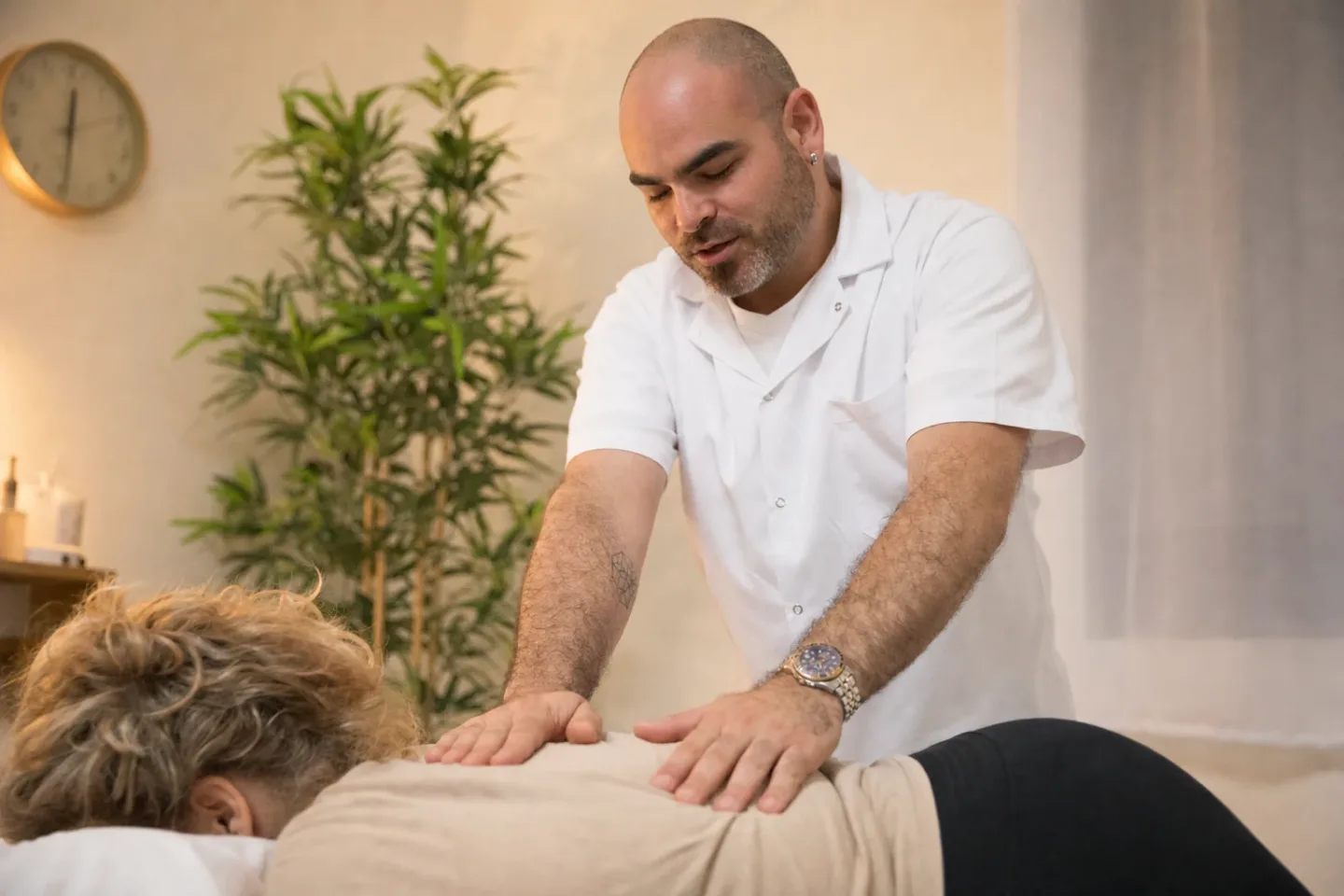
Chronic pain syndrome is a condition in which pain lasts for a long time‚ sometimes well after the original tissue should have healed. Unlike acute pain that appears after a blow‚ an overload or a clear inflammation‚ chronic pain gradually becomes a more complex system: the nervous system becomes sensitive‚ movement changes‚ sleep suffers and the person starts avoiding things that used to be simple.
It is important to say it clearly: chronic pain is not "imagination" and it is not a personal weakness. It is a real condition that involves the body‚ the nervous system‚ movement habits‚ stress and recovery‚ and sometimes also medical conditions that need to be checked.
The osteopathic approach does not replace a doctor‚ tests or medical treatment when they are needed. It can‚ however‚ fit in when chronic pain syndrome is linked to functional overload‚ restricted movement‚ muscle tension‚ posture‚ breathing or ongoing sensitivity of the nervous system‚ and the goal is to understand what keeps feeding the pain cycle.
What Is Chronic Pain Syndrome?
Chronic pain syndrome describes pain that lasts for months‚ comes back again and again‚ or affects your life even when there is no active‚ clear injury that explains how strong it is. Most professional definitions speak of pain that lasts more than three months‚ but the number of months matters less than how much the pain changes your routine.
Sometimes the pain began with an injury‚ an operation‚ an inflammation‚ overload at work or a single physical event‚ and over time the nervous system became more sensitive. Professionals call this process central sensitization. In that state‚ even a small movement‚ long sitting‚ lack of sleep or stress can raise the level of pain.
When a person lives with chronic pain for a long time‚ the body learns to protect itself. Muscles stay contracted‚ movements become cautious‚ breathing becomes shallow and the person starts expecting the pain in advance‚ and so the cycle can keep itself going even when there is no new damage.
Chronic Pain Syndrome and Complex Regional Pain Syndrome
Some people confuse chronic pain syndrome in general with complex regional pain syndrome (CRPS). CRPS is a defined medical diagnosis that usually appears in one limb after an injury or an operation‚ and comes with changes in skin color‚ temperature‚ swelling and sweating.
A diagnosis like this is made by a doctor‚ and its treatment is usually managed by a multidisciplinary team. Manual therapy can sometimes be part of a broad rehabilitation‚ but only in coordination with the medical team and very gently.
Common Chronic Pain Symptoms
The picture differs from person to person‚ but there are chronic pain symptoms that repeat in many of my patients:
- Pain that lasts for months or comes back in waves‚ even without a new injury.
- Increased sensitivity to touch‚ cold‚ pressure or ordinary movement.
- Stiffness in the morning or after sitting for a long time.
- Fatigue‚ broken sleep and difficulty concentrating.
- Avoiding simple activities for fear that the pain will get worse.
- Pain that moves from one area to another or spreads beyond the original spot.
Why Does Chronic Pain Syndrome Need a Broad View?
Chronic pain syndrome almost never exists in one area alone. Even when the pain is felt in the back‚ the neck‚ a shoulder‚ the pelvis or a knee‚ the whole body takes part in the response.
A person with long-lasting back pain may load the hips more‚ and a person with neck pain often holds the shoulders high. Someone who suffers from knee pain changes the way they walk and loads the back‚ and over time these compensations become part of the problem.
That is why chronic pain treatment needs to ask not only "where does it hurt?" but also "how is the body coping with the pain?". Is there fear of movement‚ has sleep suffered‚ are there areas that hardly move at all‚ and is the body working all the time on high alert?
These are important questions‚ because relief sometimes comes precisely from better movement‚ breathing and physical confidence‚ and from a gradual return to activity. Treating only the painful spot often misses what keeps loading it.
Headaches‚ Neck and Shoulders as Part of the Picture
Some people with chronic pain syndrome also get recurring headaches‚ especially when sleep suffers and the neck and shoulders stay tight through the day. A new headache‚ an unusually strong one or one that is different from usual calls for a doctor before any other treatment‚ so it is worth knowing the headache warning signs.
In the same way‚ long-term load on the shoulder girdle can make even simple actions‚ such as raising your arms or carrying a bag‚ painful. When shoulder pain appears alongside pain in the back or neck‚ it is worth examining the chest‚ posture and breathing pattern as one system.
Chronic Pain Syndrome and Medical Checks Before Manual Therapy
Before starting manual therapy for chronic pain syndrome‚ it is important to make sure there are no signs that call for a medical check. Even when the pain has lasted a long time‚ you should not automatically assume that it is only a functional problem.
See a doctor before treatment‚ or as soon as possible‚ if the pain comes with any of these signs:
- Fever‚ chills or a general feeling of being unwell.
- Unexplained weight loss.
- Significant weakness‚ loss of sensation or a change in bladder or bowel control.
- Unusual night pain that does not change with position.
- Unexplained swelling‚ redness or local heat.
- Pain that started after a fall or a significant injury.
When an inflammatory‚ infectious or systemic process is suspected‚ blood tests can be part of the workup. A result such as a high ESR can come from many causes‚ so it is interpreted only with a doctor and with the full clinical picture.
Osteopathic treatment is not meant to treat a lab value. It can fit in only after it is clear whether there is an active medical problem that needs other treatment‚ and sometimes alongside the medical treatment.
How Does the Nervous System Affect Chronic Pain Syndrome?
The nervous system is not just an "electric cable" that carries pain from the body to the brain. It is a system that interprets information‚ learns from experience and reacts to danger‚ and when pain lasts a long time it can become more sensitive.
In that state‚ a relatively ordinary stimulus can feel painful‚ and a movement that used to be simple is perceived as a threat. This is one of the reasons why‚ in chronic pain syndrome‚ the intensity of the pain is not always in proportion to what an X-ray or an MRI shows.
Stress‚ Breathing and the Autonomic Nervous System
The autonomic nervous system also takes part in the picture. Ongoing stress‚ shallow breathing‚ poor sleep and a sense of being on guard can keep the body in a "ready" state for hours.
In the context of chronic pain syndrome‚ many people are interested in the link between breathing‚ the nervous system and a sense of calm‚ and ask about vagus nerve treatment and practice. Osteopathy is not psychological treatment and does not replace treatment for anxiety‚ but gentle work on the chest‚ the diaphragm and breathing can support better physical regulation in some patients.
Who Is at Risk of Developing Chronic Pain Syndrome?
There is no single factor that explains why in one person pain passes within weeks and in another it turns into chronic pain syndrome. In most cases it is a combination of several factors that build up over time‚ and not a weakness of the person.
The chronic pain causes that are more common in people who develop the syndrome include:
- Acute pain that was not addressed in time or was treated with too much rest.
- Broken sleep over months.
- Ongoing emotional load‚ worry or a sense of helplessness in the face of the pain.
- Work that involves long sitting or repetitive movement without breaks.
- An operation‚ an accident or an injury that left a fear of movement.
Understanding these factors is not meant to blame anyone‚ but to identify what else can be changed. When only the pain is treated and sleep‚ load and fear of movement are ignored‚ chronic pain syndrome tends to come back even after a good period.
The good news is that some of these factors can be changed. A gradual improvement in sleep‚ movement and physical confidence often affects chronic pain syndrome more than any single local treatment.
Chronic Pain Treatment with an Osteopathic Approach
Osteopathy is a manual therapy approach that focuses on the link between structure‚ movement and function. Instead of focusing only on the painful area‚ I examine how the spine‚ pelvis‚ chest‚ diaphragm‚ limbs and soft tissues affect one another.
In practice‚ this means that chronic pain syndrome treatment does not have to be aggressive. On the contrary‚ a body that has lived with pain for a long time usually needs graded‚ safe and adapted touch‚ and treatment that is too strong or too fast can trigger a protective reaction.
What Does Osteopathic Treatment for Chronic Pain Syndrome Include?
The first session lasts about an hour and includes a conversation about the history of the pain‚ an examination of movement and posture‚ and gentle manual treatment. Follow-up sessions last about 45 minutes‚ and some private insurance companies refund part of the cost.
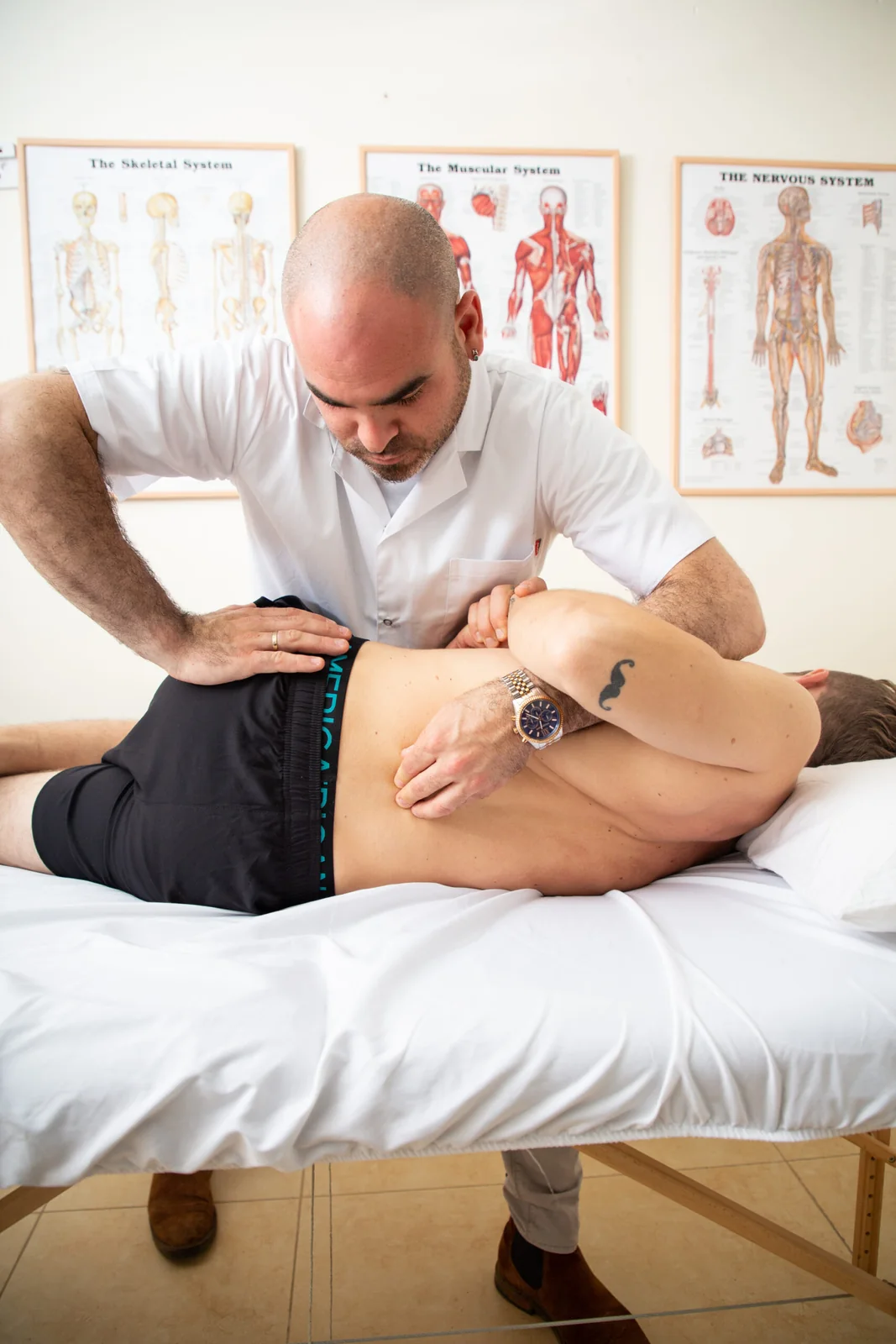
In practice‚ chronic pain treatment may include work on joints and soft tissues‚ gentle release of overloaded areas‚ improving the movement of the chest and diaphragm‚ an examination of the pelvis and back‚ and guidance for gradual movement. Sometimes a small change in how you sit‚ breathe or get out of bed affects pain that has been with a person for months.
In other cases a longer process is needed‚ especially when the pain is long-standing‚ widespread or also linked to emotional strain‚ poor sleep or a drop in fitness. With chronic pain‚ the first goal is often to restore a sense of control‚ rather than to make all the pain disappear at once.
Osteopathic Treatment Compared with Conventional Medical Care
Conventional medicine is very important in the treatment of chronic pain syndrome. It diagnoses diseases‚ performs imaging and blood tests‚ gives medication and refers to a pain clinic or rehabilitation as needed‚ and when there is an active disease‚ significant inflammation‚ a neurological problem or an infection‚ it is the foundation.
What osteopathy brings is a functional‚ gentle view of the body as one system. Anyone weighing physiotherapy or osteopathy should know that the two approaches can complement each other‚ and the right choice depends on the condition and the stage of rehabilitation.
Why Is It Wrong to Treat Only the Place That Hurts?
When a person suffers from chronic pain syndrome‚ the painful spot is only part of the story. Lower back pain can be linked to restricted movement in the pelvis‚ shallow breathing‚ load on the feet or long sitting.
Pain that radiates from the back to the leg‚ such as sciatica‚ sometimes becomes part of chronic pain syndrome when it lasts for months‚ and then I also examine the pelvis‚ the hip and the walking pattern.
Neck pain can be linked to a stiff chest‚ raised shoulders or long hours in front of a screen‚ and knee pain is often affected by the hip and the ankle. The body is not built of separate parts‚ so treatment that is too local can miss the factor that keeps loading it.
People who go through repeated episodes of a locked back also often ask what to do so it does not happen again. The answer usually includes understanding the load pattern and not only releasing the muscle that seized up.
What Can You Do at Home for Chronic Pain Relief?
Treatment at the clinic is only part of the process. Chronic pain syndrome is also affected by your routine: hours of sleep‚ load at work‚ everyday movement‚ breathing‚ stress‚ long sitting and avoiding activity.
A dramatic change is not always needed. Here are some small steps that many patients find helpful for chronic pain relief:
- Short‚ regular walks‚ even of 10 minutes‚ instead of one big effort once a week.
- Movement breaks of a minute or two in every hour of sitting.
- Slow breathing practice‚ with an exhale that is longer than the inhale.
- Gentle movement in the morning before you start the day.
- A sleep routine that is as regular as possible.
It is important to avoid two extremes: ignoring the pain and pushing the body by force‚ and stopping all movement out of fear. Usually the right way is a gradual return to activity according to what the body tolerates.
Safe movement in the right dose teaches the nervous system that the body can move without danger. Over time this is one of the most useful tools against persistent pain.
When Should You See an Osteopath‚ and When Is Manual Therapy Alone Not Enough?
When the pain lasts‚ comes back or limits everyday activities‚ it is not always worth waiting any longer. If a medical check has already been done and no dangerous problem was found‚ but there is still pain‚ stiffness or a lack of confidence in movement‚ osteopathic treatment may be able to fit into the process.
People looking for an osteopath in Kiryat Tivon and the area because of chronic pain are usually looking for a professional who will examine their movement‚ understand the history of the pain and build a personal treatment. I studied osteopathy for five years‚ including 1,000 clinical hours‚ and since 2022 I have been working as an osteopath at Maccabi Tivi.
There are also situations in which manual therapy alone is not enough. Pain that comes with depression‚ significant anxiety‚ severe sleep problems‚ an active inflammatory disease or a significant drop in function needs a broader team: a doctor‚ a physiotherapist‚ a medical psychologist or a pain clinic.
Chronic pain syndrome is not a failure of the body‚ so its treatment does not have to rest with one professional either. A responsible approach knows how to work together with the medical system‚ refer when needed and focus on what can be improved through touch‚ movement and guidance.
Reactions After Treatment and Why a Personal Approach Matters
In people living with chronic pain syndrome‚ even gentle treatment can cause a temporary reaction such as fatigue‚ mild sensitivity or a change in sensation for a day or two. Such a reaction should not be severe‚ prolonged or worrying.
Anyone reading about osteopathy side effects should know that the aim is realistic expectations‚ not fear. A responsible practitioner explains what to expect‚ what is not normal and when to see a doctor‚ and adjusts the intensity of the treatment to how sensitive the system is.
The Bottom Line on Chronic Pain Syndrome
Chronic pain syndrome is a complex condition in which pain lasts a long time and affects not only the painful area but also movement‚ sleep‚ the nervous system and quality of life. There is not always a direct link between how strong the pain is and damage in the tissue‚ and sometimes the body keeps working in protective patterns even after the acute stage has passed.
That is why it is important to combine a medical check when there are warning signs‚ and at the same time to look at how the body functions day to day. Careful‚ gradual and personally adapted osteopathic treatment can be part of a process that aims to reduce pain‚ improve movement and bring back a sense of confidence in the body.
Frequently asked questions
What is the difference between acute pain and chronic pain syndrome?
Acute pain appears after an injury or inflammation and improves as the tissue heals. In chronic pain syndrome the pain lasts for months‚ and sometimes the nervous system keeps amplifying it even after the tissue has healed.
Is chronic pain syndrome a mental illness?
No. It is real pain that involves the body and the nervous system‚ even if stress‚ sleep and mood affect how strong it is. This two-way influence is the reason a broad treatment usually works better than a local one.
Can osteopathy cure chronic pain syndrome?
A cure cannot be promised. Osteopathic treatment can bring relief‚ improve movement and reduce the state of alert when there is a functional component‚ and it usually works best as part of a broad process that includes movement‚ sleep and medical follow-up as needed.
How many sessions does it take to feel a change in chronic pain?
It varies from person to person. Some patients feel a change after one or two sessions‚ while with long-standing‚ widespread chronic pain the process takes longer‚ so we review the progress after a few sessions and decide together whether to continue.
Does treatment for chronic pain hurt?
The treatment is adapted to your level of sensitivity‚ and with chronic pain it is especially gentle. If something feels unpleasant‚ you tell me right away and I change the technique or the intensity.
Do I need a referral from a doctor to come for treatment?
You do not need a referral‚ but if you have had tests or scans‚ it is worth bringing them. When there are warning signs‚ I will ask for a medical check first.
Does physical activity make chronic pain syndrome worse?
Moderate‚ gradual activity usually helps rather than harms. What can make things worse is a big‚ sudden effort after a long period of rest‚ so it is better to start small and build up gradually.
Which areas of the body are usually affected by chronic pain syndrome?
The lower back‚ the neck‚ the shoulders and the pelvis are common areas‚ but chronic pain can appear anywhere. Sometimes the pain starts in one area and spreads to other areas over time.
When must I see a doctor?
When there is fever‚ weight loss‚ weakness or loss of sensation‚ a change in bladder or bowel control‚ unusual night pain or pain that started after an injury. In these situations the medical check comes before any manual treatment.
Can chronic pain syndrome improve over time?
Yes‚ in many people it improves‚ especially when gradual movement‚ better sleep and adapted treatment are combined. The improvement is usually not a straight line‚ and it includes good days and less good ones.
Can I keep working as usual with chronic pain syndrome?
Many people keep working‚ sometimes with adjustments such as movement breaks‚ a change in the workstation and spreading the load. When the work itself makes the pain worse on a regular basis‚ it is worth checking this with an occupational physician.
How long does an osteopathic treatment session last?
The first session lasts about an hour and includes a conversation and a thorough examination. Follow-up sessions last about 45 minutes.
Table of Contents
- What Is Chronic Pain Syndrome?
- Chronic Pain Syndrome and Complex Regional Pain Syndrome
- Common Chronic Pain Symptoms
- Why Does Chronic Pain Syndrome Need a Broad View?
- Headaches‚ Neck and Shoulders as Part of the Picture
- Chronic Pain Syndrome and Medical Checks Before Manual Therapy
- How Does the Nervous System Affect Chronic Pain Syndrome?
- Stress‚ Breathing and the Autonomic Nervous System
- Who Is at Risk of Developing Chronic Pain Syndrome?
- Chronic Pain Treatment with an Osteopathic Approach
- What Does Osteopathic Treatment for Chronic Pain Syndrome Include?
- Osteopathic Treatment Compared with Conventional Medical Care
- Why Is It Wrong to Treat Only the Place That Hurts?
- What Can You Do at Home for Chronic Pain Relief?
- When Should You See an Osteopath‚ and When Is Manual Therapy Alone Not Enough?
- Reactions After Treatment and Why a Personal Approach Matters
- The Bottom Line on Chronic Pain Syndrome
- Frequently asked questions
