
Dangers of Osteopathy - Is It Safe and What to Know?
19 min read
Are you considering osteopathic treatment but afraid someone will "crack" your neck? Did you leave a session and the pain actually got worse the next day‚ and you are not sure whether that is normal? Do you have a background illness‚ are you pregnant or is it about a baby‚ and you want to know the risks of osteopathy before you book?
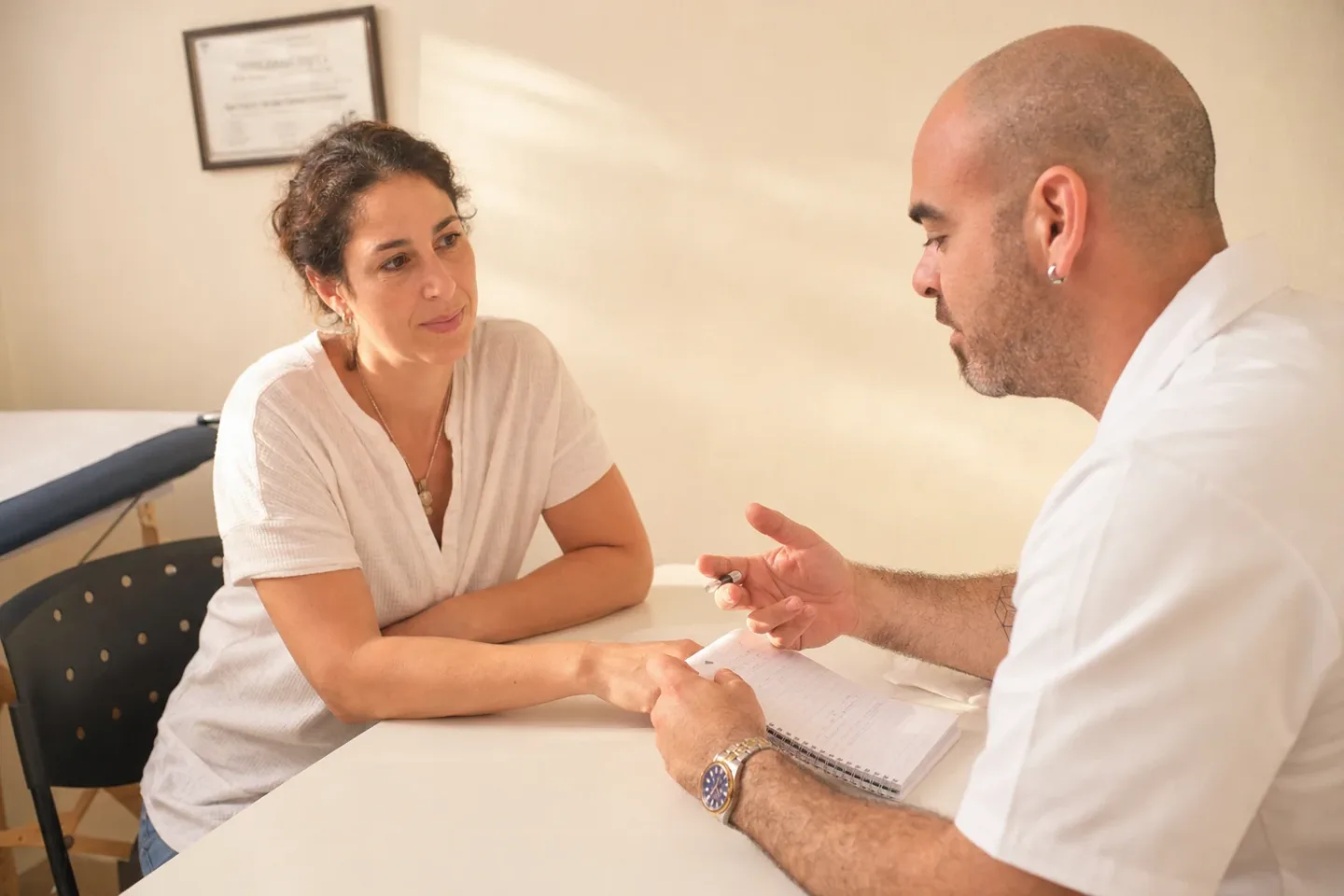
I am Roman Kibler‚ an osteopath (D.O.) with a clinic in Kiryat Tivon and an osteopath at Maccabi Tivi since 2022‚ and I start every treatment with questions and an examination‚ work with gentle touch and refer to a doctor when the picture calls for an assessment before manual treatment.
Leave your details or call me‚ and we will check together whether the treatment suits you and how to do it safely!
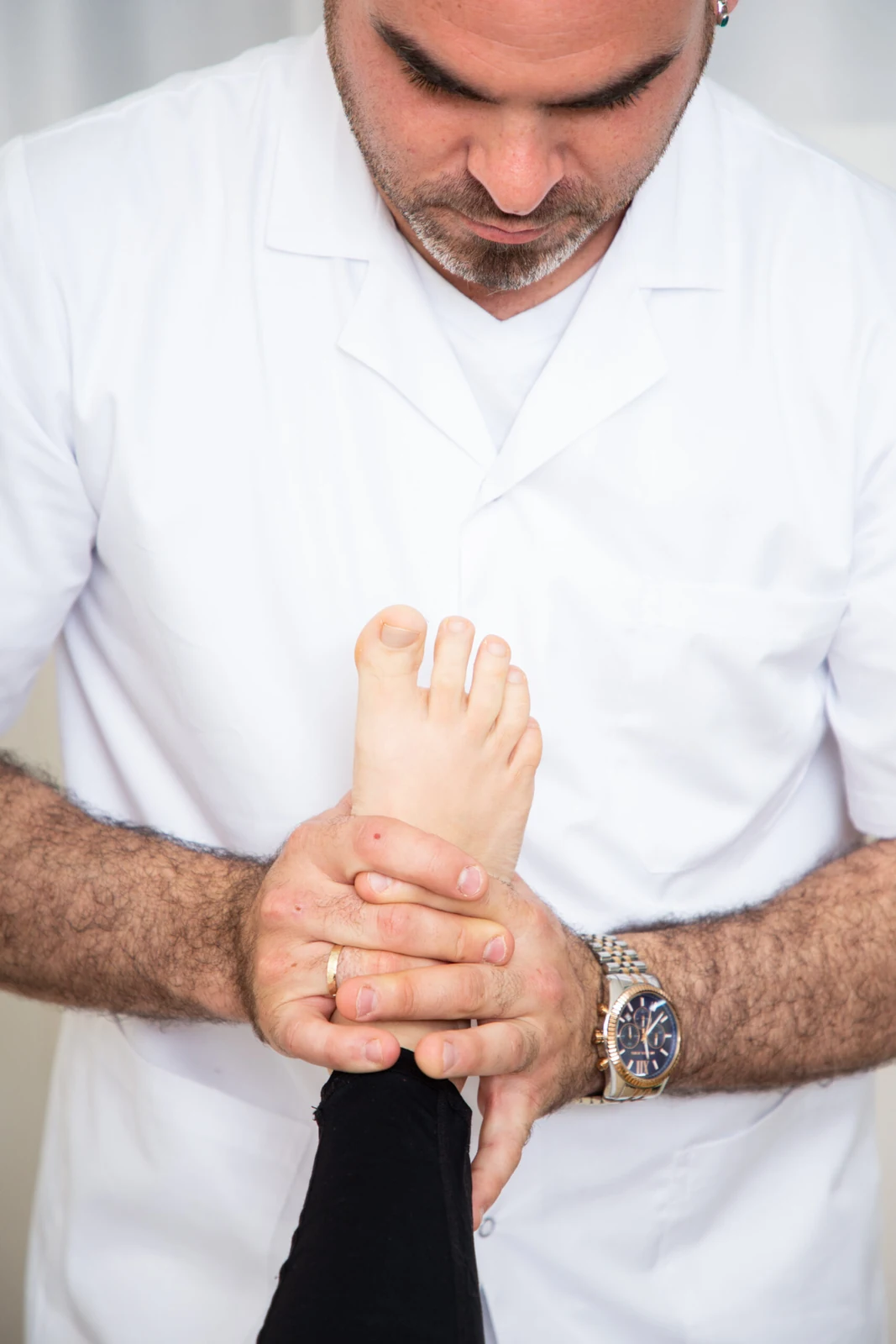
Osteopathy is a manual therapy that focuses on movement‚ function and the connection between joints‚ muscles‚ soft tissues‚ the nervous system and daily load patterns. For many patients it is part of a process of pain relief‚ better movement and a gradual return to function.
But like any physical treatment‚ it is important to understand what suits you‚ what suits you less and which reactions can appear. The important question is not only whether osteopathic treatment "helps"‚ but whether it suits the specific condition of the patient.
There is a big difference between mechanical back pain that appears after sitting for a long time‚ and acute pain after a fall‚ an active joint inflammation‚ a systemic disease or neurological weakness. The dangers of osteopathy look very different in each of these cases.
Risks of Osteopathy: What Is Really Important to Understand Before Treatment?
When we talk about the risks of osteopathy‚ we need to tell apart three different things: a temporary‚ common reaction after treatment‚ a rare complication related to a specific technique‚ and a medical condition that does not suit manual treatment at all. Each of them needs a different approach.
In most cases‚ when the practitioner is qualified‚ the questioning is thorough and the technique is adapted‚ serious dangers of osteopathy are rare. Most patients report at most some sensitivity or tiredness that passes within a day or two.
Still‚ rare is not "zero"‚ and the honest answer to "is osteopathy safe" always includes the exceptions. A responsible practitioner explains in advance what may be normal‚ what is not expected and when to see a doctor‚ and adapts the intensity of the treatment to age‚ medical background‚ sensitivity and the findings of the examination.
Is Osteopathy Safe?
Osteopathy is considered a safe method‚ with few side effects‚ when it is done by a fully trained practitioner and adapted to the patient. Most techniques are gentle: soft tissue work‚ slow movement of joints within a comfortable range‚ muscle energy techniques and gentle touch in sensitive areas.
The risks of osteopathy rise mainly when fast techniques are used on a patient who was not properly examined‚ or when warning signs are ignored. So whether osteopathy is safe for you depends less on the method itself and more on the practitioner's judgment.
Dangers of Osteopathy: Common Myths
There are a few myths around this subject that are worth putting aside:
- "Osteopathy is mainly cracking" - in practice most techniques are slow and gentle
- "If it hurts after the treatment‚ it worked" - strong pain is not a measure of success
- "A natural treatment cannot do harm" - every treatment that affects the body carries risks
- "One treatment is enough to solve everything" - long-standing problems need a process
This understanding matters‚ because someone who knows the risks of osteopathy realistically does not panic at every mild reaction‚ but does not ignore a real sign either. The dangers of osteopathy are small‚ but they exist‚ and a good practitioner talks about them openly.
Common Osteopathy Side Effects Versus Rare Complications
Osteopathy side effects are usually mild and pass‚ and the most common ones are:
- Sensitivity or mild muscle pain in the treated area
- General tiredness or a need to rest that evening
- A feeling that "the body is working" the next day
- A mild headache after work on the neck
- A mild‚ temporary worsening in an area that was sensitive anyway
Some people describe the tiredness of the first day as flu-like symptoms after osteopathy. A general achy‚ tired feeling that passes within a day or two fits a normal reaction‚ but a real fever is not one of the osteopathy side effects and needs a doctor.
The risks of osteopathy that count as complications are very rare‚ and the best-known concern relates to fast manipulations of the neck in patients with risk factors in the blood vessels. This is exactly why the questions and the examination before the treatment are an inseparable part of it.
What Does Research Say About the Risks of Osteopathy?
Research reviews of manual therapies describe a consistent picture: osteopathy side effects are relatively common‚ but most of them are mild‚ local and pass within a day or two. Serious complications are described as very rare‚ and most of them are related to fast manipulations of the neck.
The practical meaning is clear: the risks of osteopathy are not spread evenly across all techniques. When gentle techniques are chosen and the questioning is careful‚ the dangers of osteopathy go down even further.
Risks of Osteopathy Versus the Benefit: How Do You Decide?
Every treatment decision‚ a medical one too‚ is a balance between risk and benefit. With mechanical back pain or a stiff neck after sitting for a long time‚ the risks of osteopathy are small and the possible benefit is large‚ so the treatment usually suits.
In more complex situations‚ such as an active inflammatory disease or neurological symptoms‚ the balance changes. There the right decision is sometimes to wait for an assessment‚ to choose only a gentle technique or to refer to someone else.
The Dangers of Osteopathy Compared With Other Treatments
Other treatments for pain also have a price: anti-inflammatory drugs have side effects in the digestive system and the kidneys‚ and long rest has a price of stiffness and weakness. The comparison is not meant to make the risks of osteopathy look smaller‚ but to put them in proportion.
In many cases a combination is the answer: a short course of medication to reduce acute pain‚ alongside gentle manual treatment and graded movement. This way each approach contributes what it is good at.
Pain After Osteopathy: When Is It a Reasonable Reaction?
Pain after osteopathy appears in some patients‚ especially when the body was tense‚ sensitive or limited in movement for a long time. Sometimes it is a mild feeling of stiffness‚ local tiredness or sensitivity in the area where the manual work was done.
The reason is simple: the treatment changes the load‚ moves joints that have not moved for a long time and activates muscles that got used to working differently. The body reacts to the change‚ much like the feeling after a first workout after a long break.
Why Do I Feel Worse After Osteopathy?
Several explanations work together: treated tissues react with a mild local response‚ joints that moved for the first time in a while "wake up"‚ and the nervous system reorganizes around a new movement pattern. Some patients also feel general tiredness‚ because the body relaxes after a long period of tension.
Pain after osteopathy is more common after the first treatment‚ when the body does not yet know the touch‚ and in long-standing chronic conditions. In the following treatments the dose is adapted to the response‚ and these osteopathy side effects tend to decrease.
How Long Does Pain After Osteopathy Last?
Among osteopathy side effects‚ a moderate reaction usually appears in the hours after the treatment or the next day‚ and calms down gradually within a day or two. What is expected is a trend of improvement‚ not pain that gets worse from day to day or comes with new symptoms.
If the pain lasts more than three days‚ gets stronger instead of calming down or is different in character from the original pain‚ contact the practitioner. Sometimes it is a sign that the dose was too high‚ and sometimes a sign that a further assessment is needed.
What Should You Do at Home After Treatment?
A few simple habits help the body adapt to the change and reduce the risks of osteopathy even further:
- Drink water and rest a little on the same day
- Keep moving lightly‚ such as walking‚ and do not lie down all day
- Postpone heavy training or unusual effort for a day or two
- Use gentle local warmth if there is stiffness
- Write down what you felt‚ so you can tell me about it at the next session
Pain After Osteopathy That Requires Seeing a Doctor
A warning light goes on when the pain is sharp‚ spreading‚ or comes with weakness‚ loss of sensation‚ instability‚ fever‚ unusual swelling or an unusual headache. In such situations there is no point in explaining everything as a "reaction to the treatment".
You need to stop‚ check and‚ if necessary‚ see a doctor. Reducing the dangers of osteopathy is not based on ignoring symptoms‚ but on a clear distinction between a temporary reaction and a sign that needs an assessment.
Risks of Osteopathy for the Neck and Back
The areas that raise the most questions about the dangers of osteopathy are the neck and the lower back. These are also the areas where the questioning and the examination are especially important‚ because significant blood vessels and nerves pass through them.
Neck Manipulation: Dangers of Osteopathy Worth Knowing
The fast manipulation‚ the familiar "crack"‚ is only one of the techniques of osteopathic manipulative treatment and is not compulsory. The neck can be treated effectively with slow‚ gentle techniques too‚ and in many cases this is the preferred choice.
A patient who is worried about manipulations can ask for them not to be done‚ and a responsible practitioner will respect that. Beyond that‚ when there are risk factors in the blood vessels‚ a sudden and unusual headache or neurological symptoms‚ no neck manipulation is done at all‚ and the patient is first referred for an assessment.
Dizziness and Headaches: When to Treat and When to Refer?
Dizziness can come from the inner ear‚ blood pressure‚ medications‚ the nervous system and sometimes also from the neck. When the doctor has ruled out other causes and a condition called cervical vertigo is suspected‚ gentle treatment of the neck and upper back can be added carefully.
On the other hand‚ dizziness that appears suddenly with vision disturbances‚ difficulty speaking‚ weakness on one side or a severe headache is a medical emergency. No manual treatment is suitable before a dangerous cause has been ruled out.
Herniated Disc and Nerve Symptoms
Back pain that radiates to the leg‚ numbness or weakness require a precise examination before treatment. In most people with a herniated disc‚ gentle treatment can be added‚ and the article on it describes the different treatment options and the warning signs.
A disturbance in bladder or bowel control‚ loss of sensation in the groin area or progressive weakness in the leg is an emergency. In such a case go to the emergency room right away‚ not to an osteopath.
Risks of Osteopathy for the Lower Back
In the lower back the risks of osteopathy are low‚ osteopathy side effects are usually mild‚ and the treatment is very common for mechanical back pain. Caution is needed mainly when the pain comes with nerve symptoms in the leg‚ after a fall in a person with thin bones‚ or when the pain does not change with movement and position.
Pain that is not affected by movement‚ wakes you up every night and comes with a general feeling of illness does not look like ordinary mechanical pain. In such a case a doctor checks first‚ and only then is it decided whether to treat.
When Should Osteopathic Treatment Not Start Before a Medical Assessment?
There are situations in which it is right to stop before manual treatment‚ because treatment before an assessment could delay an important diagnosis. The main warning signs:
- Pain after a significant injury or a suspected fracture
- Fever‚ infection or a general feeling of illness
- Unusual night pain that does not change with position
- Unexplained weight loss
- New weakness‚ loss of sensation or disturbances in bladder or bowel control
- A sudden‚ severe headache or unusual dizziness
- A rapid worsening of symptoms
When the dangers of osteopathy outweigh the benefit‚ the most correct treatment is actually not to treat at that moment‚ but to refer for a suitable examination. Managing the risks of osteopathy is not a technical matter; it is part of professionalism.
A Medical Examination Before Manual Treatment in Inflammatory Conditions
Sometimes a person comes with widespread pain‚ fatigue‚ joint pain or a general feeling of inflammation‚ and says a high ESR appeared in the blood tests. Such a marker does not diagnose a specific disease‚ but it may point to an inflammatory process that needs further assessment.
In such a situation manual treatment is not the first step. An osteopath can be involved later‚ when it is clear that there is no acute condition and when the goal is to improve movement and reduce load.
Risks of Osteopathy With Blood Thinners and Background Illnesses
Using blood thinners‚ advanced osteoporosis‚ an active oncological disease‚ a recent operation or an acute inflammatory condition do not necessarily rule out treatment‚ but they change it fundamentally. In these situations the dangers of osteopathy depend mainly on the technique‚ so fast techniques and strong pressure are avoided.
It is important to mention all medications‚ operations and diagnoses during the questioning‚ even if they seem unrelated to the pain. Information that seems minor to you can completely change the practitioner's choice.
Risks of Osteopathy in Joint Diseases
In joint diseases the risks of osteopathy are not only physical‚ and the dangers of osteopathy include words as well as hands. There is also the risk of an irresponsible promise that makes the patient postpone medical treatment or expect a result that is not possible.
Inflammatory Joint Pain and Gout
When sharp joint pain appears with swelling‚ redness‚ local heat and strong sensitivity to touch‚ the first thought is a medical diagnosis. A condition such as gout disease is an example of inflammatory pain that should not be treated as if it were a locked muscle.
To keep the risks of osteopathy low‚ treatment is added here only as support‚ after the acute inflammation has calmed down and the condition is under medical follow-up. At that stage I check whether movement compensations‚ stiffness or a change in walking have developed‚ but the treatment does not "cure" gout.
Arthrosis and Joint Wear
When there is a degenerative process in a joint‚ such as arthrosis‚ manual treatment does not "bring back the cartilage" and does not cancel structural findings. This does not mean nothing can be done: often it is possible to improve movement‚ reduce load and lessen the effect of the pain on daily life.
The difference between an irresponsible promise and professional care is a realistic goal. Instead of structural healing‚ the aim is to get up from a chair with less difficulty‚ walk comfortably and understand which actions make the pain worse.
Hypermobility and Joint Stability
Some patients have very large ranges of motion and "soft" joints. For them‚ joint hypermobility can be linked to instability‚ muscle fatigue and recurring pain‚ and more stretching and more release are not necessarily the answer.
Here one of the dangers of osteopathy is actually treatment that increases the range of motion when the body needs stability. The treatment focuses on movement control‚ breathing and guidance‚ and avoids manipulating joints that already struggle to stay stable.
Chronic Pain Syndrome
When pain lasts for months or years‚ the nervous system can become more sensitive‚ sleep suffers and movement becomes limited. In such situations chronic pain syndrome needs a wider view than a local treatment of one area.
In patients with chronic pain‚ treatment that is too strong can increase sensitivity instead of reducing it. That is why I start with gentle touch‚ in a small dose‚ and build trust in movement gradually‚ alongside a doctor‚ graded activity and sometimes emotional support.
Risks of Osteopathy in Pregnancy‚ Babies and Older Age
Three groups raise especially many questions about the risks of osteopathy: pregnant women‚ babies and older people. In each of them treatment is possible and sometimes very helpful‚ but it looks different.
Is Osteopathy Safe in Pregnancy?
In pregnancy the body changes quickly: the ligaments soften‚ the center of gravity moves and the pelvis carries a new load. Gentle treatment in comfortable positions‚ lying on the side or sitting‚ can ease back and pelvic pain.
Before the treatment I ask about the course of the pregnancy and about the instructions of the doctor or midwife. Bleeding‚ abdominal pain‚ reduced fetal movements or high blood pressure are a reason to see a doctor‚ not to have manual treatment.
In a normal pregnancy‚ with gentle techniques and without pressure on the belly‚ the risks of osteopathy are very low. That is the short answer for anyone who asks: is osteopathy safe in pregnancy?
Osteopathy for Babies: Is It Safe?
Treating babies is completely different from treating adults: there are no manipulations‚ no pressure‚ and the touch is very gentle. A baby osteopath checks mainly movement‚ side preference‚ comfort during feeding and positioning‚ and guides the parents.
Among the risks of osteopathy in babies‚ the main one is not the touch itself‚ but missing a medical condition. That is why fever‚ repeated vomiting‚ unusual sleepiness‚ reduced feeding or a developmental delay require an examination by a pediatrician first.
Dangers of Osteopathy in Older Patients
In older age the bones may be thinner‚ and many medications affect the tissues and blood clotting. The treatment is adapted: slow techniques‚ comfortable ranges and functional goals such as safe walking and balance.
This way the risks of osteopathy in older age stay low‚ and the patient gains the benefit without putting sensitive bones at risk.
After Surgery or a Sports Injury
After surgery‚ the risks of osteopathy depend mainly on how much time has passed and on the surgeon's instructions. The operated area itself is not treated until the tissue has healed‚ but it is possible to work gently on nearby areas that compensate and stiffen.
After an acute sports injury‚ such as a sprain or a muscle tear‚ the first step is to assess how serious the injury is. Manual treatment that is too early and too strong can increase sensitivity‚ so it is built up gradually according to the stage of healing.
Here too‚ the dangers of osteopathy depend more on timing than on technique.
What Does Safe and Responsible Osteopathic Treatment Look Like?
Reducing the risks of osteopathy starts with thorough questioning: medical background‚ medications‚ when the pain started‚ what makes it worse and what eases it‚ which accompanying symptoms exist and which tests have already been done. After that comes a physical examination of movement‚ posture‚ ranges of motion and sensitivity.
The first treatment at my clinic takes about an hour‚ and follow-up treatments take about 45 minutes. At the end of every treatment you get an explanation of what was done‚ what you may feel afterwards‚ which activities are worth reducing for a while and when to contact me if something unusual appears.
The Practitioner's Training and Choosing an Osteopath
The simplest way to reduce the dangers of osteopathy is to choose a fully trained practitioner. I studied osteopathy for five years‚ including 1000 clinical hours‚ I am a member of the Israeli Osteopathic Association and I have been working as an osteopath at Maccabi Tivi since 2022.
It is worth asking every practitioner about their training‚ their experience and the way they decide what not to do. If you are looking for an osteopath in Kiryat Tivon or elsewhere in the north‚ you can check exactly these things before you book.
Questions Worth Asking to Reduce the Risks of Osteopathy
A patient who comes prepared contributes to reducing the dangers of osteopathy no less than the practitioner. Before the first treatment‚ it is worth asking:
- What training the practitioner has and how many clinical hours it included
- Which techniques are planned and whether manipulations can be left out
- What you can expect to feel after the treatment and for how long
- Which signs require contacting the practitioner or a doctor
- How many treatments are expected and how you will know there is progress
A practitioner who answers these questions clearly‚ and admits when something is outside their field‚ reduces the risks of osteopathy from the start. A practitioner who promises a full cure in one treatment is a warning sign.
Osteopathy Alongside Conventional Medicine
Conventional medicine focuses on diagnosis‚ tests‚ imaging and medication‚ and it is the basis in inflammatory‚ neurological‚ traumatic or systemic conditions. Osteopathy does not replace this role and is not meant to compete with it.
What makes it special is the functional view: how the body moves‚ where there is a restriction and how one area compensates for another. If you are torn between the approaches‚ you will find a detailed comparison in the article physiotherapy or osteopathy‚ and in many cases combining them is the answer.
The Bottom Line on the Risks of Osteopathy
Osteopathy can be an effective tool for improving movement‚ reducing load and easing functional pain‚ but it does not suit every condition. Pain after osteopathy is usually a temporary‚ moderate reaction‚ but a significant worsening‚ new symptoms or warning signs require medical attention.
The difference between safe and irresponsible treatment lies in judgment: thorough questioning‚ an examination‚ an adapted technique‚ a realistic goal and willingness to refer to a doctor. When all of these are in place‚ the risks of osteopathy are very small compared with the possible benefit.
If you have a question about the dangers of osteopathy in your specific situation‚ it is better to ask before the treatment than after it. A short conversation helps to understand whether the risks in your case are small‚ whether a medical assessment is needed first and which technique will suit you‚ and so osteopathy side effects stay low.
Frequently asked questions
What are the main risks of osteopathy?
The common ones are sensitivity‚ tiredness and mild pain that pass within a day or two. Serious complications are very rare and are related mainly to fast neck manipulations in patients with risk factors‚ which is why the questioning before treatment is so important.
Is it normal to feel pain after osteopathy?
Yes‚ some patients feel sensitivity or stiffness the next day‚ one of the common osteopathy side effects‚ similar to the feeling after a workout. Pain that gets worse‚ lasts more than three days or comes with new symptoms requires contacting the practitioner.
Can osteopathy make things worse?
When the treatment is adapted‚ a significant worsening is not expected. It can happen when the dose is too high or when a condition that needed a medical assessment first is treated‚ so I start gently and check the response‚ which is one of the main ways to keep the dangers of osteopathy low.
Does the treatment have to include a "crack"?
No. Fast manipulation is only one of the techniques‚ and treatment can be effective without it. A patient who prefers not to have a manipulation can ask for this in advance.
When should osteopathic treatment not be done?
In situations such as a suspected fracture‚ infection‚ fever‚ new weakness‚ disturbances in bladder or bowel control‚ a sudden and severe headache or unexplained weight loss. In these situations the risks of osteopathy are greater than the benefit‚ so you see a doctor first.
Are there special risks of osteopathy in pregnancy?
In a normal pregnancy the risks of gentle osteopathic treatment are low‚ and it is done in comfortable positions without pressure on the belly. Any unusual sign such as bleeding‚ abdominal pain or reduced fetal movements requires seeing a doctor‚ not treatment.
Is osteopathic treatment safe for a baby?
Treating babies is very gentle and includes no manipulations. Among the risks of osteopathy in babies‚ the main one is missing a medical condition‚ so signs such as fever‚ vomiting or unusual sleepiness require a pediatrician first.
Can I be treated while taking blood thinners?
Yes. The dangers of osteopathy in such a situation are small when only gentle techniques are used‚ without strong pressure and without fast manipulations. It is important to mention the medication at the first questioning.
How long does pain after treatment last?
A normal reaction usually lasts from a few hours to two days and keeps improving. If the pain has not calmed down after three days‚ talk to the practitioner.
What should I do if the pain got worse after treatment?
Rest a little‚ keep moving lightly and use gentle warmth if there is stiffness. If weakness‚ numbness‚ fever or sharp‚ spreading pain appear‚ see a doctor and let the practitioner know.
How do I know the osteopath is qualified?
Ask about the training‚ the number of years of study and the clinical hours‚ and check whether the practitioner is a member of a professional association. A qualified practitioner will also explain clearly when they do not treat and refer to a doctor.
Is osteopathy suitable for older people?
Yes‚ adapted to age: slow techniques‚ no strong pressure and attention to bone thinning and medications. The goals are usually functional‚ such as comfortable walking and balance.
Do I need a doctor's referral before treatment?
Usually no referral is needed‚ but when there is a background illness‚ unusual symptoms or pain after an injury‚ it is right to be checked by a doctor first. It is recommended to bring summaries and tests that have already been done.
Are there risks of osteopathy for people with osteoporosis?
Yes‚ so in such a case manipulations and strong pressure on the ribs and the spine are avoided. Gentle techniques‚ soft tissue work and balance exercises are more suitable.
Can osteopathic treatment cause dizziness?
Rarely‚ mild and short dizziness appears after work on the neck or after getting out of bed quickly. Strong or long-lasting dizziness‚ or dizziness with disturbances of vision or speech‚ requires seeing a doctor right away.
Do osteopathy side effects appear immediately?
Osteopathy side effects usually appear in the hours after the treatment or the next morning. A normal reaction peaks on the first day and then calms down‚ and it does not get stronger from day to day.
Can I exercise after treatment?
Light activity such as walking is recommended on the same day and helps keep osteopathy side effects mild. Heavy training is better postponed for a day or two‚ so as not to add load to tissues that are still adapting.
How do the risks of osteopathy differ from those of massage?
Massage works mainly on muscles and soft tissues‚ so its risks are small and similar to the common osteopathy side effects. Osteopathy also works on joints‚ so a more thorough examination and questioning are needed before treatment.
Are the risks of osteopathy greater in the first treatment?
In the first treatment the body does not yet know the touch‚ so a reaction such as sensitivity or tiredness is more common. For this reason I start with a careful dose and adapt the following treatments to the response.
Do I need to sign a consent form before treatment?
Before the treatment I explain what is going to be done‚ what the risks of osteopathy are and what the alternatives are‚ and the patient decides whether to go ahead. You may stop at any moment or ask to skip a certain technique.
Does insurance cover osteopathic treatment?
Some private insurance companies refund part of the cost of the treatment. It is worth checking the terms of your policy before the first treatment.
Table of Contents
- Risks of Osteopathy: What Is Really Important to Understand Before Treatment?
- Is Osteopathy Safe?
- Dangers of Osteopathy: Common Myths
- Common Osteopathy Side Effects Versus Rare Complications
- What Does Research Say About the Risks of Osteopathy?
- Risks of Osteopathy Versus the Benefit: How Do You Decide?
- The Dangers of Osteopathy Compared With Other Treatments
- Pain After Osteopathy: When Is It a Reasonable Reaction?
- Why Do I Feel Worse After Osteopathy?
- How Long Does Pain After Osteopathy Last?
- What Should You Do at Home After Treatment?
- Pain After Osteopathy That Requires Seeing a Doctor
- Risks of Osteopathy for the Neck and Back
- Neck Manipulation: Dangers of Osteopathy Worth Knowing
- Dizziness and Headaches: When to Treat and When to Refer?
- Herniated Disc and Nerve Symptoms
- Risks of Osteopathy for the Lower Back
- When Should Osteopathic Treatment Not Start Before a Medical Assessment?
- A Medical Examination Before Manual Treatment in Inflammatory Conditions
- Risks of Osteopathy With Blood Thinners and Background Illnesses
- Risks of Osteopathy in Joint Diseases
- Inflammatory Joint Pain and Gout
- Arthrosis and Joint Wear
- Hypermobility and Joint Stability
- Chronic Pain Syndrome
- Risks of Osteopathy in Pregnancy‚ Babies and Older Age
- Is Osteopathy Safe in Pregnancy?
- Osteopathy for Babies: Is It Safe?
- Dangers of Osteopathy in Older Patients
- After Surgery or a Sports Injury
- What Does Safe and Responsible Osteopathic Treatment Look Like?
- The Practitioner's Training and Choosing an Osteopath
- Questions Worth Asking to Reduce the Risks of Osteopathy
- Osteopathy Alongside Conventional Medicine
- The Bottom Line on the Risks of Osteopathy
- Frequently asked questions
