
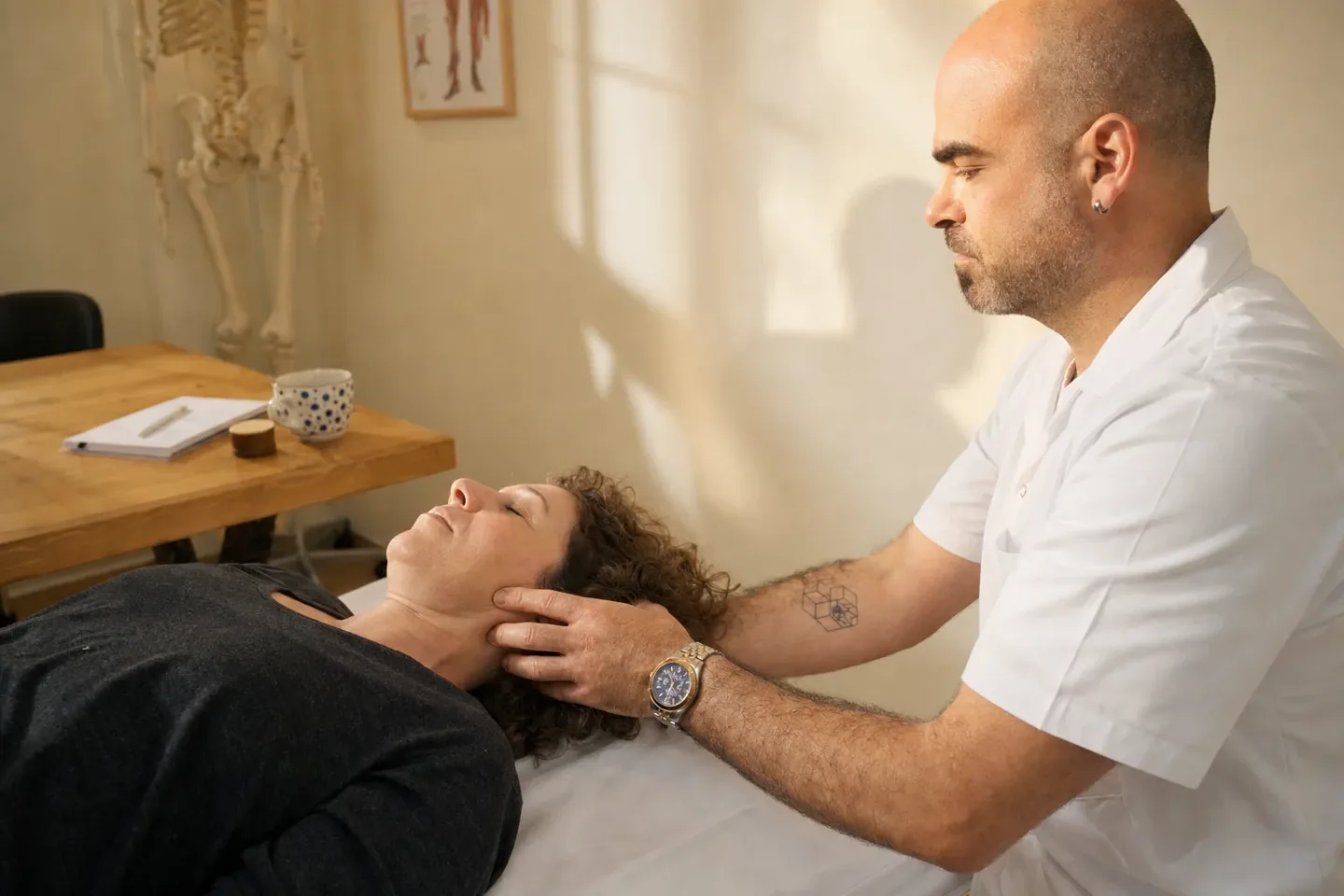
Vagus Nerve Treatment - When the Body Cannot Calm Down
14 min read
Does your body stay on alert even when the stressful day is already over? Do you feel short‚ high breathing‚ pressure in your chest and a stomach that turns over every time something worries you? Have you read about the vagus nerve and wondered whether you can really influence it through the body?
I am Roman Kibler‚ an osteopath D.O. with a clinic in Kiryat Tivon‚ and I work with gentle manual techniques on the neck‚ the chest and the diaphragm‚ the areas where the body holds tension‚ always alongside your doctor and never instead of them.
Leave your details or call me‚ and together we will check how your body holds tension and what can help it let go!
The vagus nerve is one of the most important nerves in the autonomic nervous system‚ the system that regulates actions that need no conscious thought: breathing‚ heart rate‚ digestion and the responses of stress and relaxation. It leaves the brainstem‚ passes through the neck and the chest and continues to many internal organs.
Because its path is so wide‚ many people come across this name when they look for information about anxiety‚ breathing‚ heart rate‚ digestion or physical tension that will not settle. The vagus nerve is not a calm-down button you can press to solve complex problems‚ but understanding it helps explain why the body reacts the way it does.
In this article I will explain what the nerve does‚ what vagus nerve stimulation means‚ what the link is between the vagus nerve and anxiety‚ and what vagus nerve treatment with an osteopathic approach can and cannot offer.
What Does the Vagus Nerve Do and How Does It Affect the Body?
The vagus nerve is the tenth cranial nerve and the longest of the cranial nerves. It carries information between the brain and the heart‚ the lungs and the digestive system‚ and vagus nerve function includes regulating the heart rate‚ the movement of the bowel‚ swallowing‚ coughing and the voice.
The vagus nerve belongs mainly to the parasympathetic system‚ which is linked with rest‚ digestion and recovery. In practice this system works all the time alongside the sympathetic system‚ which is responsible for alertness and stress responses‚ and the balance between the two changes during the day.
The Vagus Nerve and the Heart
At every moment the vagus nerve slightly slows the heart rate‚ so the resting pulse is lower than it would be without its influence. When you breathe in this effect weakens a little and the pulse goes up‚ and when you breathe out it gets stronger and the pulse goes down. The small change from beat to beat is called heart rate variability‚ and research uses it as an indirect measure of the activity of the vagus nerve.
Smartwatches show this vagus nerve figure today‚ but the number is affected by sleep‚ effort‚ illness and medication. It is best treated as a general trend and not as a diagnosis‚ and you should consult a doctor when there are unusual changes in your pulse.
The Path of the Vagus Nerve Through the Body
From the brainstem the vagus nerve leaves through the base of the skull‚ near the occipital bone‚ and runs down the neck next to the large blood vessels. From there it continues into the chest‚ passes through the diaphragm and reaches the abdominal organs.
This path explains why areas such as the neck‚ the chest and the diaphragm come up in every conversation about how the body regulates itself. They are not the vagus nerve itself‚ but the tension and movement in them affect breathing and the general feeling of alertness or calm.
The Vagus Nerve and the Digestive System
A large share of the fibres of the vagus nerve carry information from the belly to the brain and back. This is one of the reasons why emotional stress is often felt in the stomach‚ as butterflies‚ tightness or a change in appetite. Symptoms such as recurring heartburn or reflux in adults need a medical check first‚ even when they seem linked to stress.
Vagal Tone - What Does It Mean?
Articles and apps often mention the term "vagal tone"‚ which describes how active the vagus nerve is and how much it influences the body at rest. Research estimates it mainly indirectly‚ through heart rate variability‚ and there is no simple test that measures it directly.
Online there are lists that blame low vagal tone‚ or vagus nerve dysfunction‚ for almost every symptom: tiredness‚ digestive problems‚ migraines‚ chronic pain and depression. It is worth reading such lists of vagus nerve symptoms with caution‚ because the same symptoms have many medical causes‚ and only a proper work-up can tell them apart.
Vagus Nerve Stimulation: What Does the Term Mean?
When people talk about vagus nerve stimulation‚ it is important to separate two completely different meanings. One is a recognized medical treatment‚ and the other is a general name for everyday ways of calming the body.
Electrical Vagus Nerve Stimulation in Medicine
In medicine there is a treatment of electrical stimulation of the vagus nerve with a device implanted in surgery‚ used in defined conditions such as epilepsy that does not respond to medication and certain cases of treatment-resistant depression. This is a medical treatment in every sense‚ done in hospital and followed by specialist doctors.
Everyday Methods Called Vagus Nerve Stimulation
In everyday talk‚ the phrase vagus nerve stimulation is used to describe slow breathing with a long exhale‚ relaxation‚ meditation‚ gentle touch‚ cold water on the face‚ or humming and singing. Some of these actions have a known physiological basis‚ such as the effect of a slow exhale on the heart rate‚ while others are supported mainly by people reporting that they help.
These are not the same as the medical treatment. You can use them as part of a calming routine‚ but it is not worth expecting them alone to solve significant anxiety or a medical problem.
Simple Vagus Nerve Breathing Exercises: Exhaling‚ Humming and Gargling
The exercises mentioned most often are simple and need no equipment: a long exhale‚ for example breathing in for about 4 seconds and breathing out slowly for 6-8 seconds‚ humming or quiet singing‚ gargling water for about half a minute‚ and diaphragmatic breathing in which the belly rises and falls more than the chest.
Slow exhaling has a known physiological basis‚ while the rest is supported mainly by personal reports‚ so choose what feels pleasant to you. Real laughter and talking with someone close also calm many people‚ which is a good reason to make room for them in your day.
The Vagus Nerve and Anxiety: The Link Between Body‚ Breathing and Feeling on Edge
Anxiety is not only a worrying thought. It can be a full physical experience: a fast pulse‚ pressure in the chest‚ shallow breathing‚ trembling‚ discomfort in the belly‚ a choking feeling or a need to keep moving.
The link people search for as vagus nerve anxiety runs through the autonomic regulation system‚ so it is natural that people try to understand whether they can influence the feeling of alert through the body. The answer is careful: sometimes it is possible to help the body calm down‚ but this is not a substitute for emotional or medical treatment when the anxiety is significant.
Slow breathing‚ a longer exhale‚ gentle movement‚ better posture and less muscle tension help some people feel more physically steady. When there are strong panic attacks‚ difficult thoughts‚ difficulty functioning or new symptoms in the chest‚ see a suitable professional and do not rely on self-practice alone.
What Happens in the Body During Ongoing Stress?
When stress goes on for weeks and months‚ the body learns to stay on alert: the muscles around the neck and shoulders tighten‚ sleep becomes light and digestion changes. People describe being tired but unable to relax‚ and every small noise makes them jump.
In this state the system the vagus nerve takes part in struggles to get back into balance‚ and the body needs time and better conditions to come down from the alert. Sleep‚ movement‚ contact with people close to you and proper care for the sources of stress are part of these conditions.
How Are Breathing and the Diaphragm Linked to Feeling Calm?
The diaphragm is the main breathing muscle‚ and its movement affects the chest‚ the belly‚ the back and the general feeling of the body. Under stress breathing becomes fast‚ high and shallow‚ the neck and shoulder muscles work harder‚ and the body gets a constant signal of alert.
In an osteopathic examination I do not tell the patient they are breathing wrongly‚ but check whether there is a movement restriction that makes it hard to breathe freely. If you feel tightness under your ribs‚ you will find more explanation in the article on a tight diaphragm.
When Do the Symptoms Need a Medical Check?
Symptoms linked to the autonomic nervous system can look very similar to medical conditions that need an examination. When one of the following signs appears‚ see a doctor and do not interpret it yourself:
- New pain or pressure in the chest‚ especially on effort.
- Shortness of breath‚ fainting or nearly fainting.
- A very fast or irregular pulse.
- Weakness or numbness on one side‚ confusion or difficulty speaking.
- Difficulty swallowing‚ lasting hoarseness or unexplained weight loss.
Only when the doctor has ruled out heart‚ neurological‚ metabolic or inflammatory conditions is there room to look at the symptoms as a functional load on a system the vagus nerve is part of.
Vasovagal Fainting
There is a well-known condition in which a strong reaction of the vagus nerve causes a sudden drop in pulse and blood pressure and a short faint‚ for example at the sight of blood‚ when standing for a long time in the heat or with sudden pain. Even when it seems to be this kind of faint‚ a first faint or repeated faints need a medical examination.
Sometimes the faint is preceded by pressure in the head and mild dizziness‚ paleness‚ sweating or nausea. If you recognize these signs‚ sit or lie down straight away so you do not fall.
Vagus Nerve Treatment with a Gentle Osteopathic Approach
When we talk about vagus nerve treatment with an osteopathic approach‚ it is important to be precise: the treatment does not repair the nerve and does not promise a solution for anxiety‚ a fast pulse or digestive problems. The approach is more indirect and gentle‚ and it focuses on the areas that affect breathing and the feeling of load.
In vagus nerve therapy I check the neck‚ the base of the skull‚ the chest‚ the diaphragm‚ the upper back‚ the belly and the breathing pattern. The aim is to reduce movement restrictions and tension in the tissues‚ to give the body better conditions for regulation.
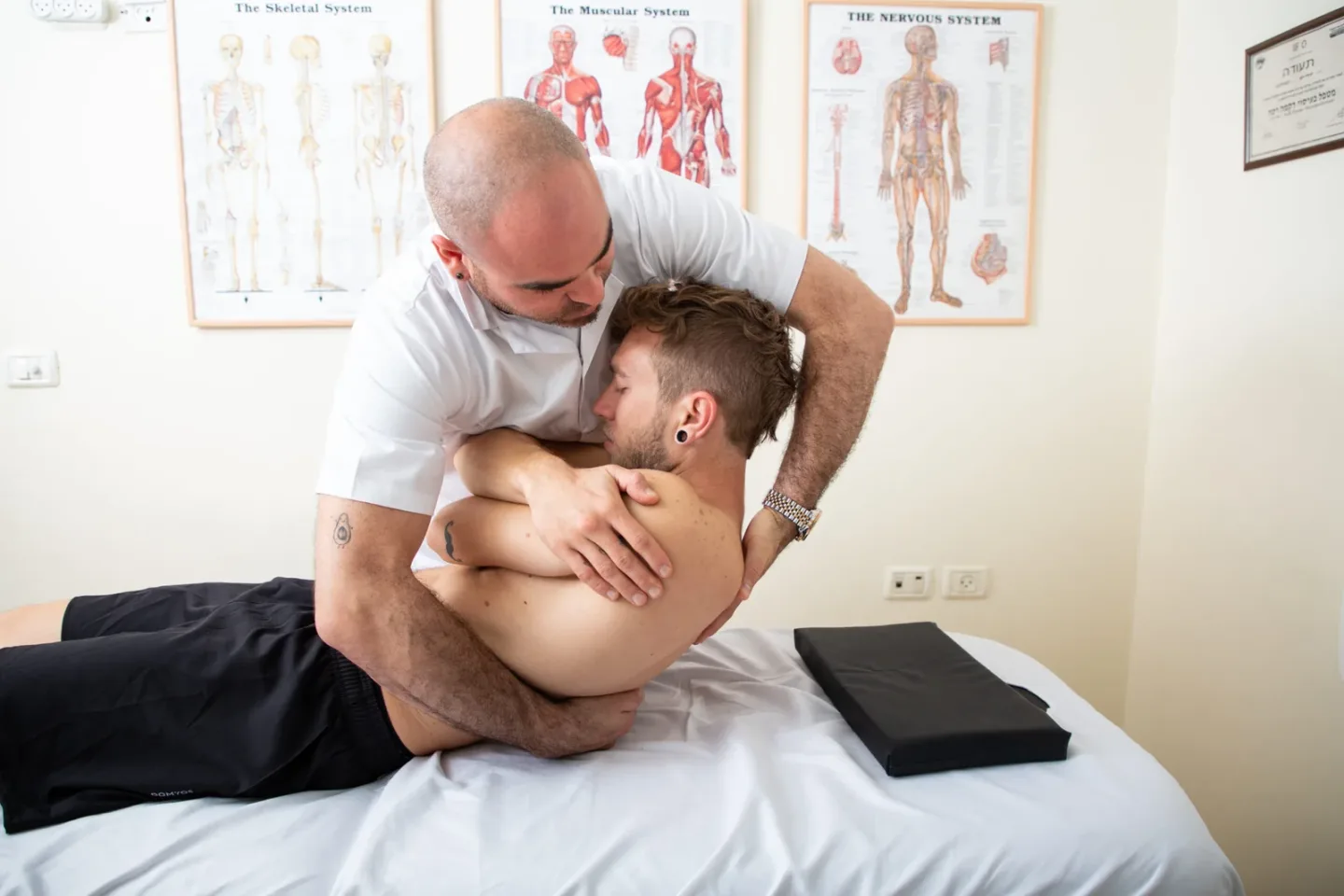
Vagus nerve treatment uses gentle manual techniques‚ without much force and without sharp manipulations when they are not needed. Sometimes the work focuses on the neck and jaw‚ and sometimes on the mobility of the ribs and the diaphragm or on guidance for breathing and posture. The first treatment lasts about an hour‚ and follow-up treatments about 45 minutes.
Vagus nerve therapy of this kind suits especially people who feel that the tension sits in the body: a stiff neck‚ a closed chest‚ restricted breathing or neck pain that gets worse in stressful periods. For people living with chronic pain syndrome‚ gentle work on the body's regulation can be added alongside medical treatment.
What happens in the session? We start with a conversation about the symptoms‚ the medical checks already done and what makes things worse or better. Then I check the movement of the neck‚ the ribs and the diaphragm‚ and build vagus nerve treatment that fits your pace‚ including simple advice for home.
Vagus nerve treatment in my clinic does not include pressing on the arteries in the neck and does not try to "switch on" the nerve directly. The work is done through the surrounding tissues‚ at a slow pace and with soft touch‚ and you can stop or ask for a change at any moment.
An Osteopath Compared with a Doctor or a Physiotherapist
When people ask what osteopathic treatment is‚ the simple answer is that an osteopath is a professional who works with a manual and functional approach and looks at the link between structure‚ movement and function. An osteopath is not a doctor‚ does not replace a medical diagnosis and does not give medication‚ but checks movement patterns‚ loads on tissues‚ posture and breathing.
In conventional medicine the focus is on diagnosis‚ tests‚ medication and referral to specialists. Physiotherapy often focuses on rehabilitation and strengthening‚ and osteopathy stresses gentle manual treatment and understanding the body as one system. These approaches complement each other‚ and with symptoms linked to anxiety it is especially important to keep them working together.
If you are torn between physiotherapy or osteopathy‚ you will find a detailed comparison in a separate article. The choice depends on the symptoms‚ the goal and your doctor's advice.
Treatment Safety and Adapting to Medical Conditions
Manual treatment is generally considered safe when it is done by a skilled professional and adapted to the patient's condition‚ but no treatment is completely free of risk. There may be temporary tenderness‚ tiredness or a mild‚ passing flare after treatment‚ so it is important to tell the therapist about background illnesses and medications.
Tell the therapist also about operations‚ clotting problems‚ osteoporosis‚ heart disease or neurological events. If you are looking for information about the risks of osteopathy‚ you are taking the right step towards an informed decision. Responsible treatment does not promise zero risk‚ but explains what to expect‚ when to stop and when to refer to a doctor.
What Can You Do at Home to Support the Body's Regulation?
To support regulation‚ you can start with simple‚ not extreme‚ steps:
- Slow breathing in which the exhale is a little longer than the inhale‚ without forcefully holding your breath.
- Moderate walking and gentle movement of the neck and shoulders.
- Short breaks from long sitting.
- Fixed sleeping hours and fewer screens before sleep.
- Less caffeine late in the day.
- Washing your face with cool water in moments of overwhelm‚ if you find it pleasant.
You can fit these habits into fixed moments of the day: a few slow breaths before you start work‚ a short walk after lunch and a fixed routine before sleep. Regularity matters more than length‚ and a few minutes every day are better than a long practice once a week.
A Routine of a Few Minutes a Day
You can build a short routine of two to five minutes: washing your face with cool water in the morning‚ five slow breaths with a long exhale‚ a minute of quiet humming and soft movement of the neck and shoulders. In the evening you can repeat the breaths lying down before sleep.
If you feel the routine helps‚ you can keep it up over time‚ alongside vagus nerve treatment in the clinic when needed. If you have heart disease‚ a slow pulse or a tendency to faint‚ consult your doctor first‚ especially before using very cold water.
Pay attention to your own reaction. If a particular breathing exercise increases dizziness‚ pressure or anxiety‚ there is no reason to force it: the body does not always need another technique‚ and sometimes it needs less effort and more adaptation.
When the feelings come back again and again‚ when there is pain in the neck and chest‚ when breathing is restricted or when the symptoms interfere with daily life‚ it is worth getting a professional assessment. With significant anxiety‚ emotional therapy and medical care are the main direction‚ and physical treatment can join them.
The Vagus Nerve - The Bottom Line
The vagus nerve is an important part of the autonomic nervous system‚ and it takes part in regulating breathing‚ heart rate‚ digestion and calming responses. When people experience anxiety‚ feeling on edge‚ shallow breathing or neck tension‚ it is natural that they look for ways to influence regulation through the body‚ but it is not worth turning the vagus nerve into the only explanation for every symptom.
Gentle osteopathic treatment fits when the picture matches a functional load: muscle tension‚ a restricted chest‚ shallow breathing or difficulty letting go. When it is done carefully and tailored to you‚ it can be part of a wider process of relief and better function.
Frequently asked questions
What does the vagus nerve do?
The vagus nerve carries information between the brain and the heart‚ the lungs and the digestive system‚ and takes part in regulating the pulse‚ digestion‚ swallowing and breathing. It is a central part of the system responsible for rest and recovery.
Can the vagus nerve be strengthened?
You cannot strengthen a nerve like a muscle‚ but habits such as slow breathing‚ regular exercise‚ good sleep and social contact are linked to better regulation of the autonomic nervous system. The effect is gradual and differs from person to person.
Is the vagus nerve linked to panic attacks?
The vagus nerve is part of the system that balances alertness and calm‚ so it is linked to the physical feelings of anxiety. Panic attacks need the attention of a mental health professional‚ and physical treatment can only complement it.
What does vagus nerve treatment with an osteopath feel like?
Most patients describe gentle‚ quiet touch‚ with work on the neck‚ the chest and the belly. Some feel calm and a pleasant tiredness after the treatment‚ and some mainly feel that their breathing has become freer.
Is vagus nerve stimulation at home dangerous?
Slow breathing‚ walking and cool water on the face are safe for most people. Do not press on the neck or massage the area of the arteries in the neck‚ and if you have heart disease or tend to faint‚ consult a doctor.
How many treatments are needed?
It depends on the condition and the goals. After the first assessment I will be able to say whether the treatment is suitable and what the plan is‚ and at each session we will check the effect together.
Does insurance cover osteopathic treatment?
Some private insurance companies refund part of the cost. It is worth checking the terms of your policy in advance and keeping the receipt and the therapist's details‚ because insurers usually ask for both when you submit a claim.
Does the vagus nerve affect sleep?
The parasympathetic system‚ which the vagus nerve is part of‚ is more active at rest and in sleep. A calm evening routine‚ fewer screens and slow breathing before sleep help the body move into this state‚ and lasting sleep problems justify seeing a doctor.
Do yoga and meditation help?
Many people feel that yoga‚ meditation or breathing exercises calm them‚ and they can be a good part of a balancing routine. Choose a practice that is pleasant and not strenuous‚ and stop any exercise that increases dizziness or anxiety.
How soon do you feel the effect of breathing exercises?
Some people feel calmer after just a few slow breaths‚ but this effect is temporary. A more stable change in the feeling of alert usually needs regular practice for a few weeks‚ together with regular sleep and movement.
Does cold water stimulate the vagus nerve?
Cold water on the face triggers a reflex that slightly slows the pulse‚ so some people feel calmer from it. A very cold shower is not right for everyone‚ and anyone with a heart problem should consult a doctor before starting.
What is the difference between osteopathic treatment and emotional therapy for anxiety?
Emotional therapy deals with thoughts‚ feelings and coping patterns‚ and osteopathic treatment deals with the body: movement‚ breathing and tension in the tissues. With significant anxiety emotional therapy is the main treatment‚ and physical treatment can complement it.
Can osteopathic treatment be combined with medication?
Yes‚ in most cases there is no reason not to combine them. It is important to tell the therapist about all the medications you take‚ and not to stop or change medication without consulting the doctor who prescribed it.
Table of Contents
- What Does the Vagus Nerve Do and How Does It Affect the Body?
- The Vagus Nerve and the Heart
- The Path of the Vagus Nerve Through the Body
- The Vagus Nerve and the Digestive System
- Vagal Tone - What Does It Mean?
- Vagus Nerve Stimulation: What Does the Term Mean?
- Electrical Vagus Nerve Stimulation in Medicine
- Everyday Methods Called Vagus Nerve Stimulation
- Simple Vagus Nerve Breathing Exercises: Exhaling‚ Humming and Gargling
- The Vagus Nerve and Anxiety: The Link Between Body‚ Breathing and Feeling on Edge
- What Happens in the Body During Ongoing Stress?
- How Are Breathing and the Diaphragm Linked to Feeling Calm?
- When Do the Symptoms Need a Medical Check?
- Vasovagal Fainting
- Vagus Nerve Treatment with a Gentle Osteopathic Approach
- An Osteopath Compared with a Doctor or a Physiotherapist
- Treatment Safety and Adapting to Medical Conditions
- What Can You Do at Home to Support the Body's Regulation?
- A Routine of a Few Minutes a Day
- The Vagus Nerve - The Bottom Line
- Frequently asked questions
