
Diaphragm Spasm - Releasing a Tight Diaphragm Gently
13 min read
Do you feel you can't take a full‚ deep breath‚ as if something is blocking it under your ribs? Have the pressure in your chest and the tension in your upper back been with you for days or weeks? Have you tried breathing exercises from the internet and still don't know how to release a tight diaphragm without making it worse?
I'm Roman Kibler‚ an osteopath D.O. at my clinic in Kiryat Tivon‚ and I examine how your ribs‚ upper back and neck move and gently release whatever is limiting your breathing.
Leave your details or call me‚ and I'll check with you what is holding your breathing back and how we can ease it!
The diaphragm is the body's main breathing muscle. It is shaped like a wide dome that separates the chest from the abdomen‚ and it takes part in every breath in and out‚ even during sleep.
When people talk about a tight diaphragm or a diaphragm spasm‚ they usually don't mean that the muscle has really "locked". They mean a feeling of load‚ tightness or restriction in breathing that shows up around the lower ribs‚ the upper abdomen‚ the chest or even the back and shoulders.
It is important to say this right at the start: chest pain‚ sudden shortness of breath‚ pressure that spreads to the arm or jaw‚ a cold sweat or feeling faint are not signs of a diaphragm spasm. In situations like these‚ go to a doctor or the emergency room at once‚ and only after a medical check is it worth asking whether manual treatment is suitable.
What Is a Tight Diaphragm and How Does It Affect Breathing?
When you breathe in‚ the diaphragm moves down and lets the lungs fill‚ and when you breathe out it rises and returns to its place. When this movement is free‚ the ribs‚ belly‚ back and pelvis take part in breathing in a balanced‚ soft way.
When breathing becomes shallow and stiff‚ the body starts relying on accessory muscles in the neck‚ shoulder blades and shoulders. That is how the feeling of a tight diaphragm develops: the belly barely moves‚ the upper chest works hard‚ and the breath stops halfway.
The problem is not always in the breathing muscle itself. Sometimes the chest is stiff‚ the ribs don't move enough‚ the upper back is rounded or the nervous system has been on alert for a long time. So the question of how to release a tight diaphragm is also a question of what makes the whole breathing system work harder.
Common Tight Diaphragm Symptoms
- A feeling that the breath "gets stuck" halfway and you can't fill your lungs completely.
- Pressure or a dull diaphragm pain under the lower ribs‚ sometimes on one side only.
- Tension between the shoulder blades and in the upper back that gets worse with long sitting.
- Shoulders that rise with every breath in‚ and breathing that happens mostly in the upper chest.
- Frequent yawning or sighing‚ as if the body is trying to "catch up" on air.
Each of these tight diaphragm symptoms can also appear without a diaphragm spasm‚ so they are only a starting point for an examination‚ not a diagnosis.
Why Does a Diaphragm Spasm Develop?
In most cases there is no single cause. A diaphragm spasm usually appears when several small factors add up and change your breathing pattern over time.
Stress‚ Anxiety and Shallow Breathing
Under stress the body switches to fast‚ short breathing‚ mainly through the upper chest. When this goes on for weeks and months‚ the main breathing muscle works less‚ and the feeling of a tight diaphragm becomes a habit rather than just a passing reaction.
Breathing and the nervous system are closely connected. If you live with constant tension‚ you may also find the topic of vagus nerve treatment interesting‚ because this nerve runs close to the breathing muscle and takes part in regulating breathing and calm.
Posture‚ Long Sitting and Screen Work
When the head leans forward and the upper back rounds‚ the chest finds it hard to expand. The breathing muscle is squeezed from above‚ the belly is compressed from below‚ and breathing becomes shorter. After long hours like this‚ many people feel the need to get up‚ stretch and take in air‚ and that is exactly the sign that the body is asking for movement.
For people who work for hours at a computer or drive a lot‚ this is one of the most common reasons for a tight diaphragm at the end of the day. It also tends to appear together with back spasms in the upper back‚ because full breathing also depends on the movement of the ribs and vertebrae of the upper back‚ and they stiffen when you sit bent forward.
Exercise‚ Coughing‚ Pregnancy and Changes in the Abdomen
Running‚ strength training‚ a long cough after an illness or pregnancy can all load the breathing muscle and the muscles between the ribs‚ and leave a tight diaphragm behind. In pregnancy the growing uterus pushes the abdominal organs upward‚ so a feeling of short breath in the third trimester is common‚ and yet any new shortness of breath during pregnancy needs a check by your doctor.
Bloating and a feeling of fullness after a heavy meal also limit the downward movement of the breathing muscle‚ so some people feel a diaphragm spasm mainly in the evening.
In some adults‚ pressure in the upper abdomen comes together with heartburn. If that is your situation‚ my article on infant reflux also covers reflux in adults‚ and it is worth consulting a doctor‚ because not every pressure under the ribs is related to muscles.
Safe Ways to Release a Tight Diaphragm at Home
The safe way to start is not with force‚ but by bringing gentle movement back into your breathing. The aim is not to "inflate" the body‚ but to let the breathing muscle move down and up at its own pace. Choose a quiet time for your diaphragm release‚ without your phone and without thinking about the result‚ and give your body a few minutes to adjust.
Diaphragmatic Breathing Lying Down
Lie on your back with your knees bent‚ one hand on your upper belly and the other on your lower ribs. Breathe in slowly through your nose‚ and notice whether the hand on your belly rises and whether your ribs widen to the sides.
The breath out is a little longer than the breath in‚ soft and without effort. Five to ten breaths like this‚ two or three times a day‚ are a good starting point if you are looking for how to relax diaphragm tension without equipment and without help. This simple diaphragmatic breathing is the base of almost every diaphragm release I teach.
Gentle Movement for the Chest and Upper Back
You can add small shoulder circles‚ a soft chest opening against a wall‚ sitting on a chair with a slow rotation of the back to each side‚ and an easy walk. All of these give the ribs and upper back the movement your breathing needs in order to flow freely. If you are wondering how to loosen diaphragm tension‚ this is often the easiest place to start.
When a tight diaphragm comes with tension at the front of the chest‚ suitable opening exercises can help. In cases where there are tight chest muscles‚ it is worth combining a chest release with the breathing work.
Common Mistakes in Diaphragm Release at Home
- Don't try to force a big breath in: it increases tension and sometimes causes dizziness.
- Don't press hard under your ribs yourself. A diaphragm massage should be gentle and controlled.
- Don't keep practicing if deep breathing makes pain worse‚ causes pressure in the chest or shortness of breath.
The right practice should feel pleasant‚ or at least neutral. Sometimes a small‚ quiet‚ mindful breath works better than any attempt to fill the lungs all the way‚ and that is often the real answer to how to release diaphragm tension.
The Link Between a Diaphragm Spasm‚ the Neck and the Shoulders
The breathing muscle doesn't work alone‚ and a diaphragm spasm rarely stays in one place. When breathing moves to the upper chest‚ the neck muscles‚ the trapezius and the shoulder blades take on part of the work‚ and over time they get tired and tighten. This is where many people also get shoulder pain that is hard to explain.
That is why people with a tight diaphragm often also complain of load around the shoulder girdle‚ or a feeling that the shoulders "rise" with every breath. In this situation‚ working on the shoulder alone won't be enough if the breathing pattern stays as it is.
The tension sometimes climbs to the base of the skull as well. Load in the neck muscles can cause pain in the back of the neck and head‚ especially at the end of a working day. A sudden‚ very strong headache‚ or a headache with fever‚ confusion or weakness‚ is one of the headache red flags that need a medical check‚ not manual treatment.
A Side Stitch While Running and Exercising
Runners and people who train know the sharp stitch under the ribs or at the side of the belly‚ often on one side‚ that forces you to stop in the middle. It is more common after a meal or a lot of drinking close to training‚ and when breathing is fast and shallow from the start. A stitch that also appears at rest‚ or comes with chest pain‚ is not an ordinary running stitch‚ and with that you see a doctor.
What usually helps is to slow down‚ breathe out slowly and completely‚ and press gently on the painful spot while you breathe out. If a diaphragm spasm comes back with every workout‚ you will benefit from a gradual warm-up‚ a two-hour gap between a meal and a run‚ and slow breathing practice on rest days too.
Diaphragm Release in Osteopathic Treatment
When practice at home is not enough‚ or when the feeling keeps coming back‚ osteopathic treatment can help you understand what is keeping the problem going. As an osteopath‚ I don't stop at the question of how to release a tight diaphragm‚ but examine the whole system around it.
What Do I Check in the First Session?
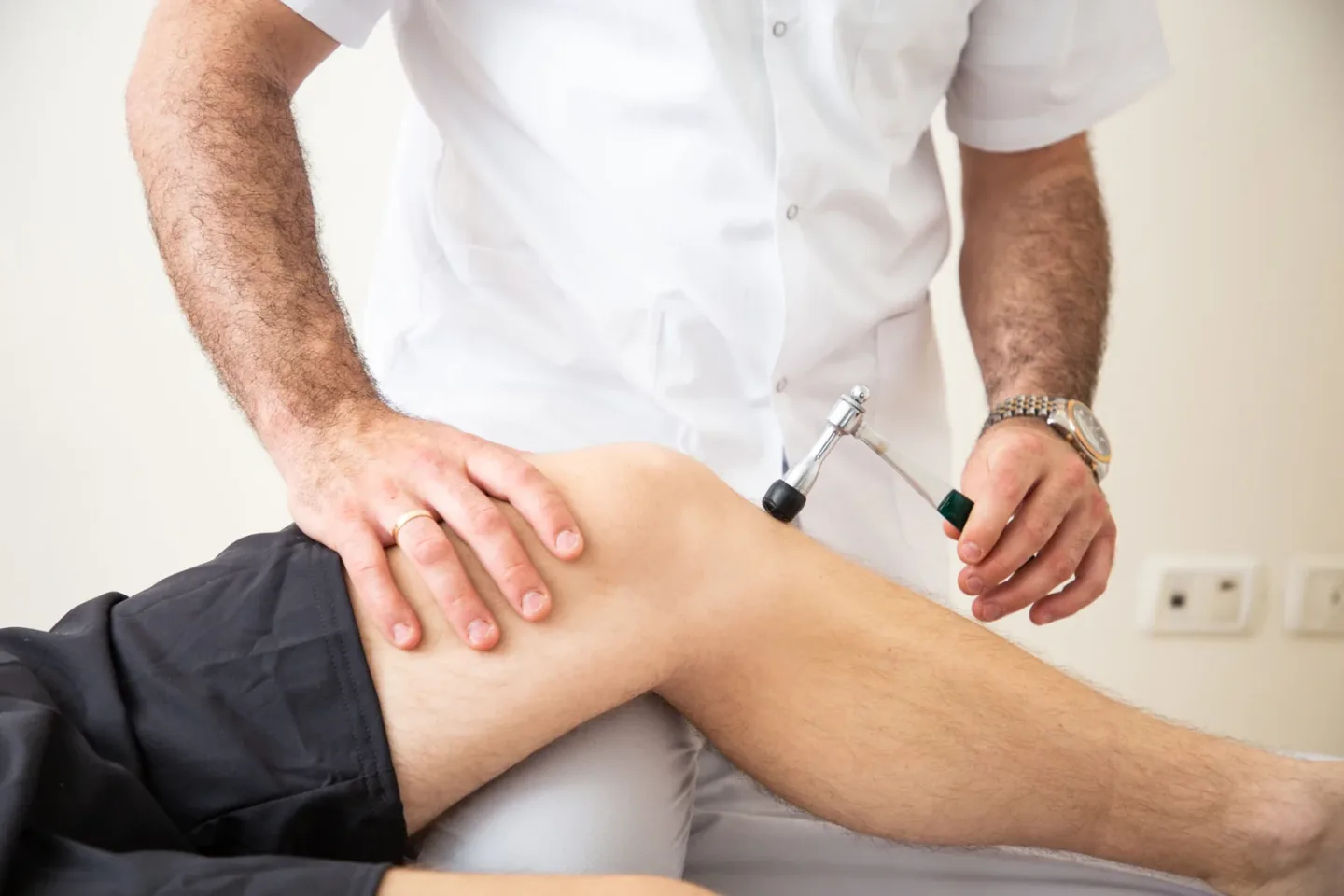
The examination includes a conversation about your symptoms‚ work habits‚ sleep and stress‚ and then a check of how your ribs move as you breathe in and out. I also check the upper back‚ neck‚ pelvis and upper abdomen‚ because each of them affects how the diaphragm moves and whether a tight diaphragm keeps coming back.
Sometimes it turns out that the pain at the front of the chest doesn't come from a tight diaphragm but from the cartilage between the ribs and the breastbone. A condition such as costochondritis can feel similar‚ but its treatment is different‚ so it is important to tell them apart.
What Does the Treatment Itself Look Like?
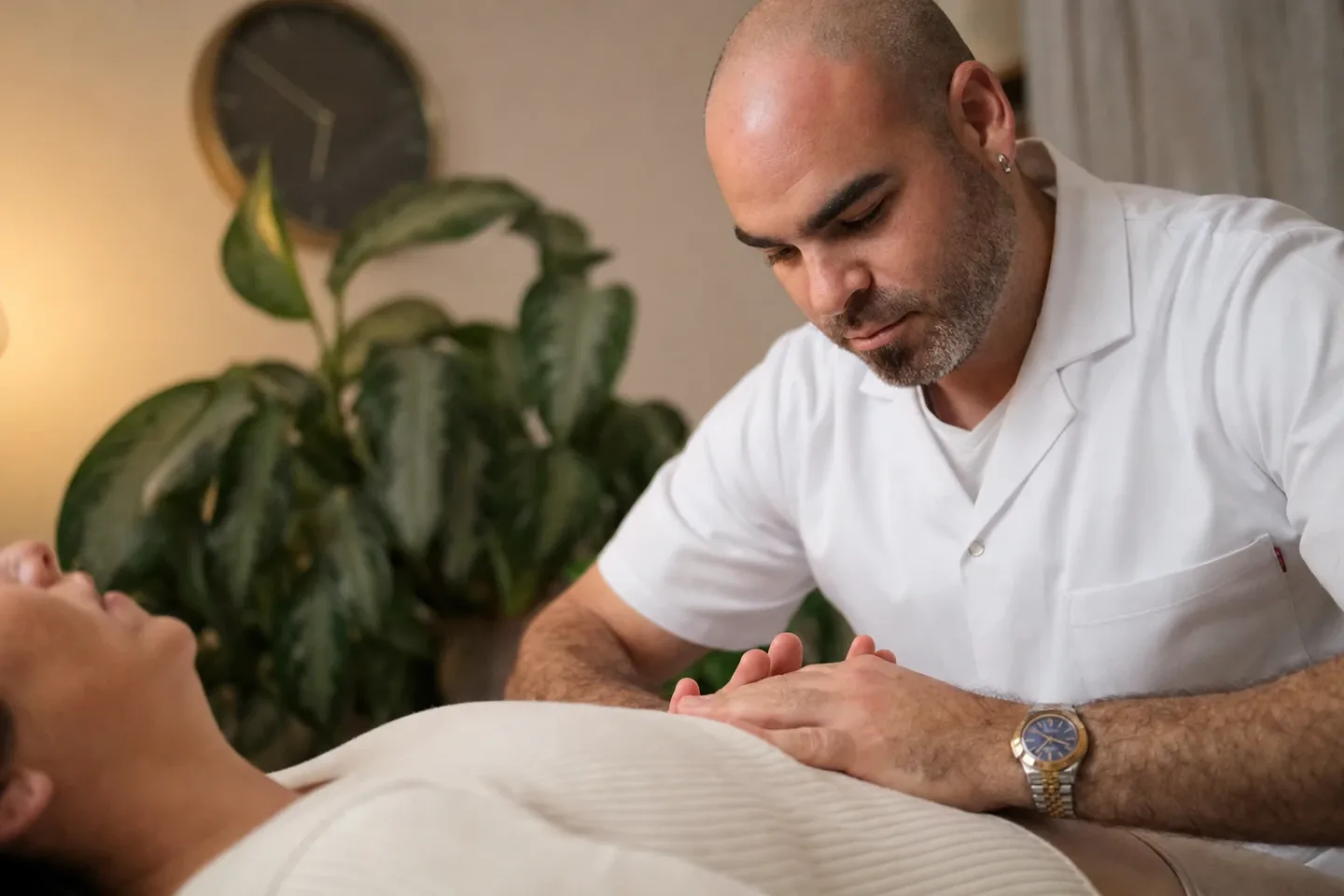
The treatment includes soft manual work on the ribs‚ upper back‚ neck‚ diaphragm and the tissues around the upper abdomen. The aim is not to press hard‚ but to improve the movement of the chest and take load off the accessory muscles. A gentle diaphragm release is one part of this work‚ not the whole of it.
After treatment some people feel mild tiredness or sensitivity in the treated area‚ and this usually passes within a day or two. It is a good idea to drink‚ walk a little and not load your body that day.
At the end of the session you get a short home routine tailored to what I found in the examination. The first treatment lasts about an hour‚ follow-up treatments about 45 minutes‚ and some private insurance plans refund part of the cost.
Diaphragm Spasm or a Problem That Needs a Doctor?
Most feelings of a tight diaphragm are related to breathing‚ posture and stress. Even so‚ there are signs you should not put down to a tight muscle‚ and you take them to a doctor first.
- Pain or pressure in the chest‚ especially on exertion‚ or pain that spreads to the arm‚ back or jaw.
- Sudden shortness of breath‚ fast breathing at rest or bluish lips.
- Fever‚ a long-lasting cough‚ phlegm with blood or unexplained weight loss.
- Sharp pain in the upper abdomen‚ vomiting or black stools.
- Weakness‚ unusual numbness or difficulty speaking.
Osteopathic treatment does not replace a medical diagnosis and is not meant for emergencies. It is suitable after heart‚ lung and digestive conditions have been ruled out‚ when a functional feeling of a diaphragm spasm remains.
Daily Habits That Prevent a Tight Diaphragm
Preventing a diaphragm spasm starts with small breaks. For every hour of sitting‚ get up for a minute‚ open your chest and take a few slow breaths into your belly and lower ribs.
Pay attention to your position at the screen: a screen at eye level‚ a supported back and feet on the floor make things easier for your chest. A daily walk at a comfortable pace also helps your breathing reorganize itself and eases a tight diaphragm.
Before sleep it is worth spending a few minutes on slow breathing lying down. People who tend to get a tight diaphragm because of stress often find that this habit improves the quality of their sleep as well.
Sleep‚ Drinking and Movement Through the Day
Sleeping on your stomach with your head turned to one side‚ or a pillow that is too high‚ keeps the neck and upper chest under tension through the night‚ which can leave you with a tight diaphragm in the morning. Try sleeping on your back or your side‚ with a pillow that supports your neck without pushing your head forward.
Long days without movement and without enough to drink are felt throughout the body. A twenty-minute walk‚ climbing stairs at a comfortable pace or a relaxed swim encourage deeper‚ more natural breathing without you thinking about it at all.
If you do sport‚ you can add a few minutes of slow breathing lying down at the end of your workout. This way the body moves from effort to rest gradually‚ and the muscles around the ribs don't stay contracted until the morning.
My Approach at the Clinic in Tivon
My clinic is at 6 Karkom Street in Kiryat Tivon. I studied osteopathy for five years‚ including 1,000 clinical hours‚ I have worked as an osteopath at Maccabi Tivi since 2022‚ and I am a member of the Israeli Osteopathic Association.
If you are looking for an osteopath in Kiryat Tivon for the feeling of a diaphragm spasm‚ you will get a thorough examination‚ a clear explanation of what I found and guidance for practicing at home. When the picture raises suspicion of a medical problem‚ I refer you to a doctor before any treatment.
The Bottom Line: Free Breathing Starts With Understanding
A tight diaphragm is a popular name for a feeling of load in the breathing system‚ which usually involves the ribs‚ back‚ neck and shoulders and not only the diaphragm. Shallow breathing‚ long sitting and ongoing stress are the most common causes.
The answer to how to release a tight diaphragm starts with gentle practice at home‚ continues with changing habits and sometimes includes manual treatment. And when warning signs appear‚ the first step is always a doctor.
Frequently asked questions
How can I release a tight diaphragm within a few minutes?
There is no magic trick for a diaphragm release‚ but slow diaphragmatic breathing lying down‚ with a long breath out‚ brings relief to many people within a few minutes. If the feeling doesn't change or gets worse‚ it is worth coming for an examination.
Can a diaphragm spasm cause shortness of breath?
A diaphragm spasm can cause a feeling that your breath is not full‚ but real shortness of breath‚ especially sudden or at rest‚ needs an immediate medical check. Don't put it down to a muscle before a doctor has examined you.
Does anxiety cause a tight diaphragm?
Stress and anxiety change the breathing pattern and move it to the upper chest‚ so they are often linked to the feeling of a tight diaphragm. Breathing work can help‚ alongside suitable treatment for the anxiety itself.
How long does the feeling of a diaphragm spasm last?
For some people it passes within days‚ and for others it lasts weeks while the cause remains. If a tight diaphragm keeps coming back‚ it is worth checking what is keeping it going.
Is it safe to do a diaphragm massage on my own?
Gentle touch under the edge of the ribs while you breathe out is usually safe‚ but strong pressure can hurt and increase tension. If you have pain in the abdomen or chest‚ don't massage on your own‚ and come for an examination.
How many osteopathic treatments do I need?
It depends on the situation. Many people notice a change in how their breathing feels after one or two treatments‚ and then the work continues with practice at home. The first treatment lasts about an hour and follow-up treatments about 45 minutes.
Can a tight diaphragm cause back pain?
Yes. The diaphragm is attached to the vertebrae of the back and to the lower ribs‚ so load in it is sometimes felt between the shoulder blades or in the lower back. Sharp back pain with fever or weakness in the legs needs a doctor.
When should I not practice deep breathing?
When deep breathing makes pain worse‚ causes dizziness‚ pressure in the chest or shortness of breath. In these situations‚ stop‚ return to normal breathing and consult a doctor before you continue.
Can children suffer from shallow breathing?
Yes‚ children and teenagers who sit for hours in front of screens or are under stress also tend to breathe into the upper chest. Playing outside‚ movement and slow breathing before sleep help them‚ and any breathing difficulty in a child is checked first by the pediatrician.
Do I need a doctor's referral to come for treatment?
You don't need a referral to come for osteopathic treatment. However‚ if you have chest symptoms or breathing difficulty that have not been checked‚ I will first ask for a medical assessment‚ and any earlier tests you bring will help me understand the picture.
Table of Contents
- What Is a Tight Diaphragm and How Does It Affect Breathing?
- Common Tight Diaphragm Symptoms
- Why Does a Diaphragm Spasm Develop?
- Stress‚ Anxiety and Shallow Breathing
- Posture‚ Long Sitting and Screen Work
- Exercise‚ Coughing‚ Pregnancy and Changes in the Abdomen
- Safe Ways to Release a Tight Diaphragm at Home
- Diaphragmatic Breathing Lying Down
- Gentle Movement for the Chest and Upper Back
- Common Mistakes in Diaphragm Release at Home
- The Link Between a Diaphragm Spasm‚ the Neck and the Shoulders
- A Side Stitch While Running and Exercising
- Diaphragm Release in Osteopathic Treatment
- What Do I Check in the First Session?
- What Does the Treatment Itself Look Like?
- Diaphragm Spasm or a Problem That Needs a Doctor?
- Daily Habits That Prevent a Tight Diaphragm
- Sleep‚ Drinking and Movement Through the Day
- My Approach at the Clinic in Tivon
- The Bottom Line: Free Breathing Starts With Understanding
- Frequently asked questions
