
Tight Leg Muscles - What Helps and When to Look Deeper
12 min read
Does a muscle in your leg grab in the middle of a run‚ after a long hike or actually at night in bed? Do you stretch‚ massage and wait‚ but after a few days it all comes back? Are you not sure whether it is ordinary load or something coming from your back?
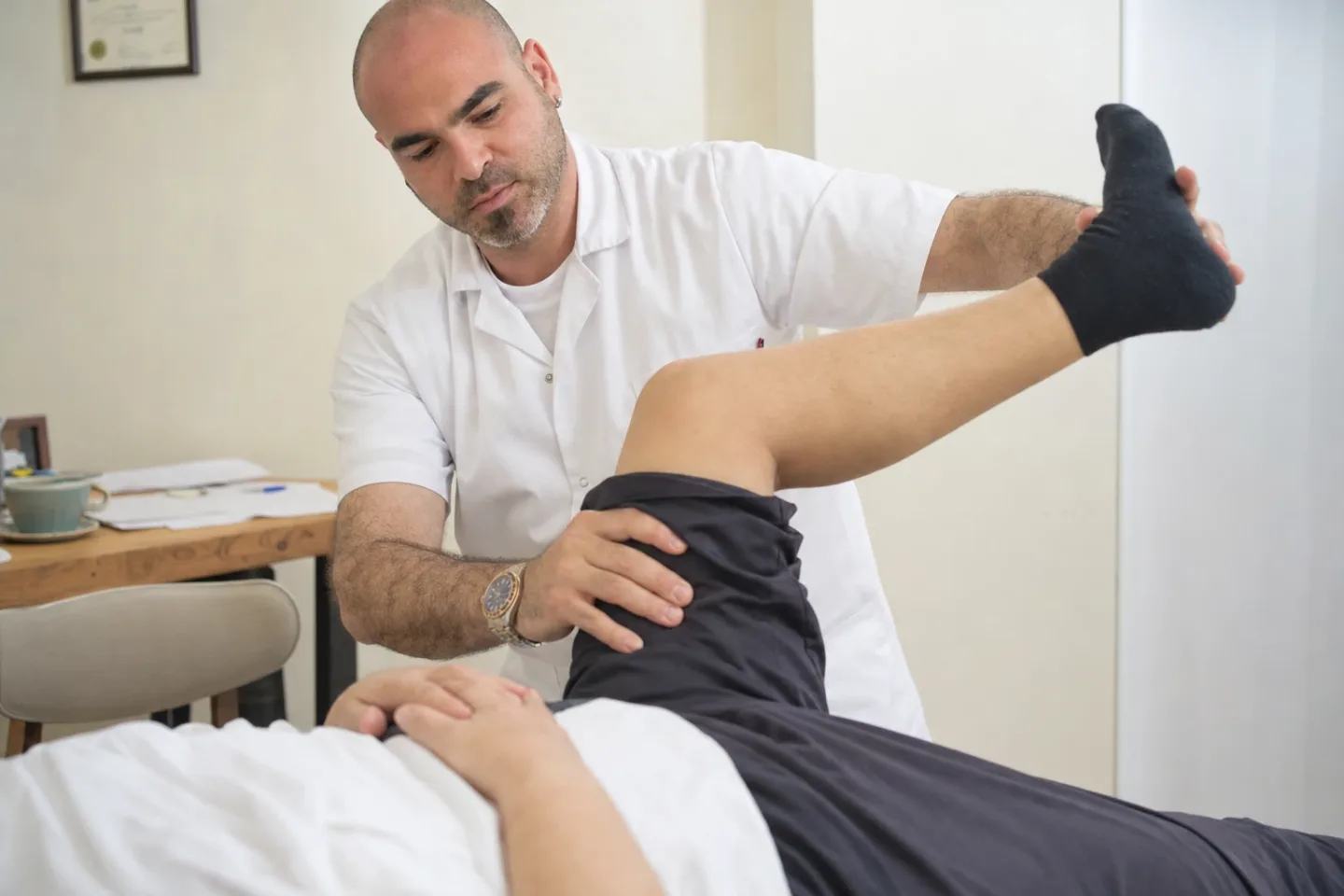
I'm Roman Kibler‚ an osteopath (D.O.) with a clinic in Kiryat Tivon and a massage therapist since 2017‚ and I examine tight leg muscles through the whole chain of movement‚ from the foot to the lower back‚ to understand why the muscle keeps tightening up.
Leave your details or call me‚ and together we'll check what is overloading your legs!
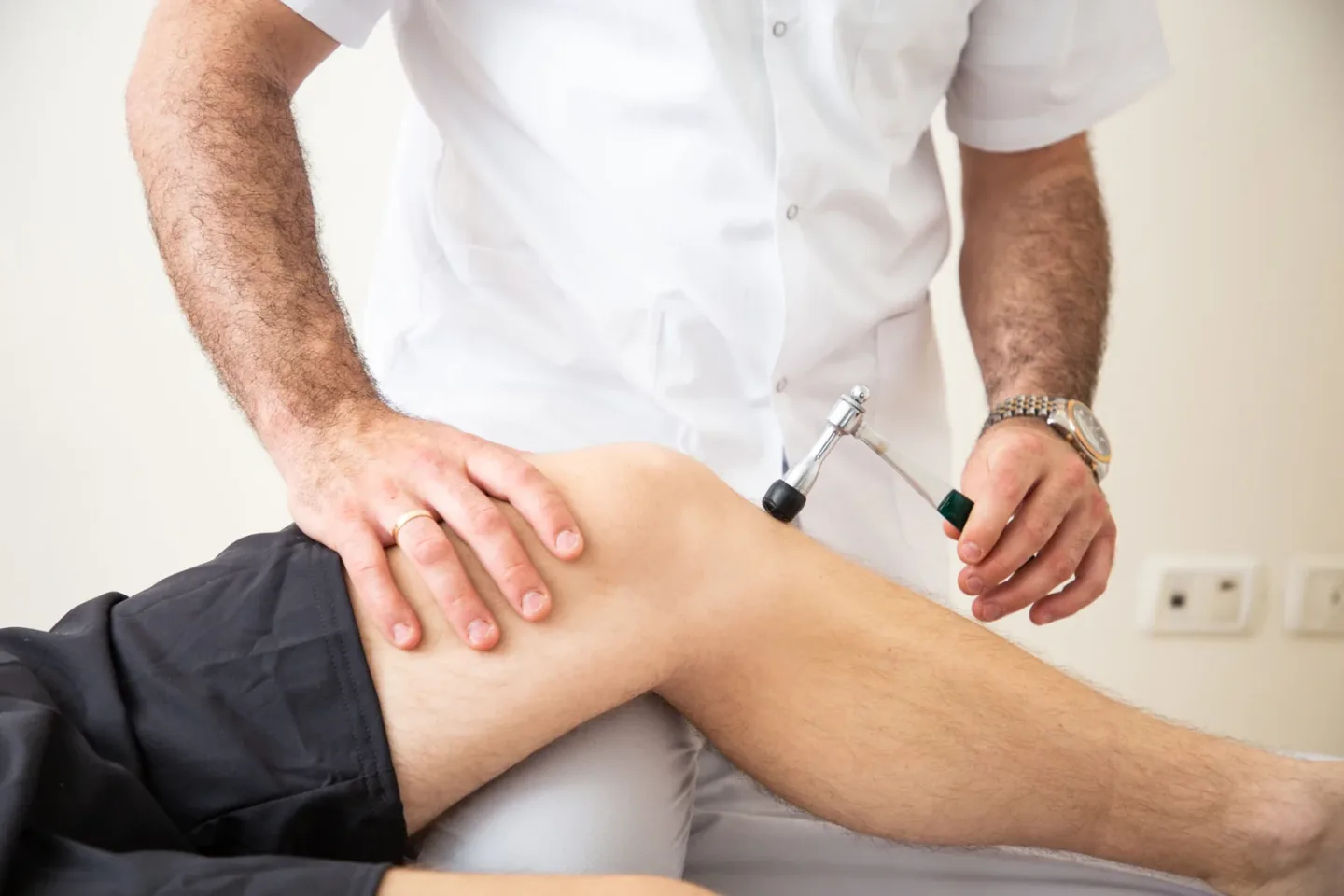
Tight leg muscles are one of the most common complaints among active people‚ people who sit a lot and those who have returned to training after a break. Sometimes it is a local‚ passing feeling of contraction‚ and sometimes leg muscle pain that limits walking‚ climbing stairs or standing for a long time.
The feeling can appear in the calf‚ the thigh‚ the groin‚ behind the knee or along the whole leg. So before choosing how to release tight leg muscles‚ it is important to understand what made them tighten up.
What Causes Tight Leg Muscles?
A leg muscle tightens up after a sharp effort‚ a new activity‚ a long run‚ walking uphill‚ strength training‚ standing for a long time or an unfamiliar movement. Sometimes leg muscle tightness actually appears after rest‚ an uncomfortable night's sleep or a long day of sitting.
The muscle responds by contracting when it senses overload‚ fatigue‚ lack of recovery or a need to stabilize another area of the body. In many cases the muscle contracts to protect an overloaded area‚ to compensate for restricted movement or in response to pain that comes from somewhere else.
Common Causes of Tight Leg Muscles
- Increasing the amount or intensity of training too quickly.
- Lack of recovery: little sleep and little rest between workouts.
- Drinking too little‚ especially on hot days and during long efforts.
- Sitting for hours‚ followed by a sudden effort.
- New or worn-out shoes‚ and a change in the running surface.
- Stiffness in the ankle‚ the hip or the lower back that changes the way you put your foot down.
Tight Legs or a Sudden Cramp?
A sudden cramp‚ the familiar "spasm"‚ is a strong contraction that comes all at once and lasts seconds to minutes. Tight legs are a longer state of stiffness‚ pain and a feeling of "not letting go"‚ which can last for days.
Both are often related to load and fatigue‚ but their treatment is a little different. With leg cramps the focus is on immediate release‚ and with tight leg muscles the focus is on reducing the load and understanding the cause.
How to Loosen Tight Leg Muscles Safely?
When the muscle tightens up‚ the natural reaction is to stretch it right away and hard. A gentle stretch can really help‚ but a stretch that is too aggressive can increase the irritation‚ especially when the muscle is in a protective state.
This is how you can release tight leg muscles without making things worse:
- Start with light movement within a range that does not hurt‚ for example moving the ankle up and down.
- Warm the area in a hot shower or with a heating pad‚ if there is no swelling.
- Go for a short‚ relaxed walk‚ if you can tolerate it.
- Massage gently‚ with broad movements and not with strong pressure on the painful spot.
- Add a gentle stretch only once the muscle already feels softer.
Instead of looking for one answer to the question of how to loosen tight leg muscles‚ it is worth understanding why the muscle contracted. If you want to read more about the general principles‚ which suit every muscle in the body‚ you will find them in the article on how to release tight muscles.
Heat or Cold for Tight Leg Muscles?
When a muscle is tight without an injury and without swelling‚ gentle heat usually soothes it more‚ because it increases blood flow and makes movement easier. When there is swelling‚ a fresh injury or a suspected tear‚ it is better to avoid heat in the first days and to get advice.
How to Release Tight Legs After Load or Activity?
When both legs feel heavy‚ tight or tired after a load‚ it is usually the muscles' response to more activity than usual or to a lack of recovery. It happens after a long hike‚ the first workout after a quiet period‚ a change of shoes or long standing at work.
If you are looking for how to release tight legs‚ remember that the goal is not to force the muscles to relax‚ but to let the body recover. Light movement‚ enough to drink‚ good sleep and temporarily reducing the load usually help more than a strong stretch.
How to Release Tight Legs With Movement?
Gentle movement is often the best way to release tight legs. Slow walking‚ easy cycling or swimming move the muscles without overloading them‚ and improve blood flow.
If you are looking for how to release tight legs after a hard workout‚ you can also add a few minutes of ankle movements‚ bending and straightening the knees and light stretches. The goal is a pleasant feeling‚ not pain.
Tight Legs After Running
After a long or fast run‚ the muscles need time to recover. A few minutes of easy walking at the end of the run‚ ankle and knee movements within a comfortable range and an easy day after a hard workout help tight legs get back to normal.
If the feeling of tightness appears after every run‚ even an easy one‚ it is worth checking your weekly load‚ your shoes and the way you land. Sometimes a small change is enough to break the pattern.
Stiff Legs After a Day of Standing or Sitting
Standing for hours on a hard surface‚ or sitting for a long time without moving‚ leaves the legs heavy and stiff. At the end of a day like that‚ a short walk‚ raising your legs for a few minutes and gentle ankle and knee movements help.
If your legs are swollen in the evening‚ hurt in the calf or change color‚ it is no longer just a matter of tight leg muscles. In that case‚ see a doctor.
Leg Cramps at Night and Tight Leg Muscles in the Morning
Many people wake up with tight leg muscles after a cramp‚ usually in the calf or the foot. Night leg cramps are more common after a day of effort‚ on hot days‚ in pregnant women and at an older age‚ and are sometimes related to certain medications.
If you wonder how to relieve leg cramps at the moment they strike‚ it helps to straighten the knee and gently pull the foot toward the body‚ or to stand up and shift your weight onto the leg. A gentle calf stretch before sleep reduces how often it happens for some people‚ and drinking enough during the day matters in any case‚ although the evidence for its effect on night cramps is limited.
When leg cramps at night are frequent‚ disturb your sleep or come with weakness‚ numbness or a change in the skin‚ it is worth seeing your family doctor for an assessment. Sometimes blood tests or a review of your regular medication explain the problem.
Calf‚ Thigh or Groin - Where Does the Muscle Tighten Up?
The location of leg muscle tightness tells a lot about its cause. Each area of the leg works in a different movement‚ so the way to release it is different too.
The Calf and the Gastrocnemius
The calf and the gastrocnemius muscle tighten up mainly after running‚ jumping‚ climbing stairs and long walking. When the calf hurts in a way that keeps repeating‚ I also check how the foot lands on the ground and how the knee and hip take part in the movement.
You will find a detailed explanation of the right exercise for this area in the article on tight calf muscles. Sudden pain‚ a feeling of a "kick" from behind‚ difficulty putting weight on the foot or swelling justify a professional examination and not only a stretch.
The Front‚ Back and Side of the Thigh
A tight thigh muscle can be local‚ but sometimes it is part of a wider compensation. When the pelvis does not move evenly‚ when the lower back is stiff or when there is a difference between the two legs‚ the thigh muscles work too hard to stabilize the body.
If you are looking for how to release a tight thigh muscle‚ you need to check whether the thigh is the source of the problem or only the area that compensates. If the pain comes back after every walk or workout‚ the solution is not another stretch‚ but improving the mobility of the pelvis‚ working on the lower back and adjusting loads.
More Than Just Tight Leg Muscles
Most cases of tight leg muscles are a passing load that improves with relative rest and gentle movement. There are situations in which the picture is different‚ and the treatment has to change accordingly.
A sharp pain that appeared at a specific moment during a sprint‚ a jump or a kick‚ with a "tearing" feeling‚ bruising or clear difficulty using the muscle‚ points to a tissue injury and not to tightness. In such a situation it is worth reading the article on a muscle tear and getting checked‚ because massage or stretching in the first days can cause harm.
Leg Muscle Pain That Comes From the Back
The lower back‚ the pelvis and the legs work together in every walk‚ every time you get up from a chair‚ climb stairs or lift something. When the back is tight or restricted‚ the body changes the way it transfers weight to the legs‚ and the leg starts to work harder.
When the leg muscle pain does not stay in one place but travels from the back or the buttock along the leg‚ nerve involvement should also be considered. Pain like this can be sharp‚ burning or pulling‚ and sometimes comes with tingling or weakness‚ and a strong stretch in this situation can make it worse.
If you feel mainly numbness and tingling‚ you will find an explanation in the article on paresthesia. When the pain runs from the buttock along the back of the leg‚ it is also worth reading about sciatic nerve pain and its treatment‚ because there the emphasis is on the nerve and not on the muscle.
Osteopathic Treatment for Tight Leg Muscles
As an osteopath‚ I examine tight leg muscles as part of a complete movement system. The examination includes standing‚ walking‚ the ranges of movement of the ankle‚ knee‚ hip and back‚ tissue sensitivity‚ differences between the two sides and questions about your activity‚ work‚ sleep and previous injuries.
The treatment itself includes gentle work on soft tissues‚ joint mobilization‚ improving mobility in the pelvis and back‚ guidance for better movement and a graded return to activity. The first session lasts about an hour‚ and follow-up sessions about 45 minutes.
How Is This Different From Ordinary Treatment of Tight Legs?
Ordinary treatment sometimes focuses on rest‚ warming‚ stretching‚ massage or pain relievers. These are important tools‚ especially when it is simple muscle load.
When the pain comes back‚ always appears on the same side or is related to the back‚ the pelvis or the walking pattern‚ the osteopathic approach asks why the muscle tightened up: whether the ankle does not move well‚ whether the knee compensates‚ whether the hip is restricted‚ or whether you sit most of the day and then return all at once to hard training. These answers build a treatment that also aims to prevent the next time.
Preventing Tight Leg Muscles From Coming Back
To reduce the chance of tight leg muscles coming back‚ it is important to match your activity to what your body can do right now. A gradual warm-up‚ a slow increase in load‚ enough recovery‚ movement during a long day of sitting‚ suitable shoes and gentle strength exercises usually help.
Stretches are useful for tight legs‚ but they are not the only solution. In some cases strengthening‚ stability and improving your movement technique matter more than another stretch.
Signs That Require Seeing a Doctor
- Swelling‚ local warmth‚ redness or tenderness along the calf‚ especially in one leg.
- Sharp pain after an injury‚ or difficulty putting weight on the leg.
- Weakness‚ ongoing numbness or reduced sensation.
- Pain in the calves that appears when walking and disappears right away at rest.
- Problems controlling urine or stool together with back and leg pain.
Swelling and pain in the calf after a long flight‚ surgery or a period without movement require seeing a doctor quickly. These are signs that must not be treated with massage or stretching.
The Bottom Line on Tight Legs
Tight leg muscles can be the result of a simple local load‚ but also a sign that the body is compensating for a restriction in the back‚ pelvis‚ hip‚ knee or ankle. That is why it is worth understanding the context: when the pain started‚ what makes it worse‚ whether it travels and whether it comes back in the same pattern.
When there are no warning signs‚ gentle treatment‚ adjusting loads and gradual exercise bring the legs back to comfortable movement. If you are looking for an osteopath in Kiryat Tivon in northern Israel who will examine the whole chain of movement‚ my clinic is open to book an examination.
Frequently asked questions
How Do You Release Tight Leg Muscles at Home?
Start with gentle movement‚ heat and a soft massage‚ and only then add a light stretch. If tight leg muscles do not improve within a few days‚ or keep coming back‚ it is worth checking the cause.
What Is the Difference Between Tight Legs and Tired Legs?
Tired legs feel heavy and improve after rest and a good night's sleep. Tight legs feel stiff and painful when moving‚ and sometimes stay that way even after rest.
How Long Does It Take for Tight Leg Muscles to Release?
A muscle that tightened up after a load usually releases within a day to a few days. If the feeling lasts more than a week or keeps coming back‚ it is worth checking what keeps it going.
Should I Keep Training With Tight Leg Muscles?
You can do light activity that does not increase the pain‚ such as walking or easy cycling. It is better to postpone intense training of the tight muscle until it releases.
How to Release Tight Legs Before Sleep?
A hot shower‚ a few minutes with your legs raised and a gentle stretch of the calf and the back of the thigh help many people. It is worth drinking enough during the day and not only in the evening.
Does Magnesium Help Muscle Cramps in the Legs?
Research reviews have found that magnesium probably does not reduce muscle cramps in most adults‚ although some people feel an improvement. Before starting a supplement it is worth consulting a doctor‚ especially if you take regular medication.
Does a Foam Roller Help Release Tight Leg Muscles?
A foam roller with pleasant pressure can help a tired muscle release. With a very painful muscle or after an injury‚ it is better to start gently or skip it.
Why Does Only One Leg Keep Tightening Up?
When the tightness always comes back on the same side‚ it is a hint of an uneven load: a difference in how you land‚ a restriction in the pelvis or back‚ or an old injury. This is exactly the case in which it is worth checking the whole chain.
When Does Leg Muscle Pain Need a Doctor?
When there is swelling‚ redness‚ local warmth‚ an injury‚ weakness or ongoing numbness‚ or when the pain appears when walking and goes away at rest. In such situations a medical assessment comes before any hands-on treatment.
Is Osteopathic Treatment Also Suitable for Athletes?
Yes‚ the treatment is adapted to your level of activity and your goals. Some private insurance companies refund part of the cost of treatment.
Table of Contents
- What Causes Tight Leg Muscles?
- Common Causes of Tight Leg Muscles
- Tight Legs or a Sudden Cramp?
- How to Loosen Tight Leg Muscles Safely?
- Heat or Cold for Tight Leg Muscles?
- How to Release Tight Legs After Load or Activity?
- How to Release Tight Legs With Movement?
- Tight Legs After Running
- Stiff Legs After a Day of Standing or Sitting
- Leg Cramps at Night and Tight Leg Muscles in the Morning
- Calf‚ Thigh or Groin - Where Does the Muscle Tighten Up?
- The Calf and the Gastrocnemius
- The Front‚ Back and Side of the Thigh
- More Than Just Tight Leg Muscles
- Leg Muscle Pain That Comes From the Back
- Osteopathic Treatment for Tight Leg Muscles
- How Is This Different From Ordinary Treatment of Tight Legs?
- Preventing Tight Leg Muscles From Coming Back
- Signs That Require Seeing a Doctor
- The Bottom Line on Tight Legs
- Frequently asked questions
